Introduction
Did you know that Mexico has over 70 distinct microclimates, meaning the weather can vary dramatically depending on where and when you visit? Choosing the best time to visit Mexico can make the difference between a perfect vacation and a disappointing trip.
Whether you're planning a beach escape to Cancun, exploring ancient Mayan ruins, or diving into cenotes, timing matters. You'll want to avoid hurricane season, dodge the spring break crowds, and ideally catch one of Mexico's incredible festivals along the way.
This comprehensive guide breaks down Mexico weather by month, helping you understand when to go to Mexico based on your priorities. You'll discover the ideal Mexico travel seasons for beach vacations, the cheapest months to visit, and which times offer the perfect balance of great weather and fewer tourists.
By the end of this article, you'll know exactly when to book your flights, what to pack, and how to time your trip for maximum enjoyment and minimum hassle.
Understanding Mexico's Climate Zones
Before we dive into the month-by-month breakdown, you need to understand that Mexico isn't one uniform climate. The country stretches across multiple climate zones, which dramatically affects when you should visit different regions.
Coastal Areas (Cancun, Playa del Carmen, Tulum, Puerto Vallarta, Los Cabos): These beach destinations experience hot, humid weather year-round with temperatures ranging from 75°F to 95°F (24°C to 35°C). The main consideration here is the rainy season from June to October and hurricane season from June through November.
Central Highlands (Mexico City, Guanajuato, San Miguel de Allende): Located at higher elevations, these cities enjoy spring-like weather year-round with cooler temperatures (50°F to 75°F / 10°C to 24°C). Rainy season runs from May to October, but showers are typically brief afternoon downpours.
Northern Desert (Baja California, Copper Canyon): Expect extreme temperature variations with scorching hot summers (100°F+ / 38°C+) and surprisingly cold winters. Spring and fall offer the most comfortable conditions.
Understanding these zones helps you plan your trip more effectively. A perfect beach day in Cancun might coincide with chilly mornings in Mexico City.
The Best Overall Time to Visit Mexico
If you're looking for the sweet spot, November through April is considered the best time to visit Mexico for most travelers. Here's why this window works so well:
Perfect Weather: You'll avoid the intense heat and humidity of summer while enjoying consistently sunny days. Average temperatures hover between 75°F and 85°F (24°C to 29°C) along the coast, ideal for beach activities.
Minimal Rain: The rainy season ends in October, so you'll experience dry conditions and clear skies throughout this period. Rain is rare, typically occurring less than 3 days per month.
Post-Hurricane Season: By November, hurricane season has officially ended, eliminating any storm-related travel disruptions or safety concerns.
However, this "best" time comes with trade-offs. Tourist numbers peak during these months, especially around major holidays. Prices for flights and hotels can be 30-50% higher than summer rates. Popular beaches get crowded, and you'll need to book restaurants and tours well in advance.
For first-time visitors to Mexico planning a beach vacation, we recommend late November or early December. You'll catch the tail end of the shoulder season with better prices, while still enjoying excellent weather and fewer crowds than the peak January-March period.
Mexico Weather and Travel by Month
January: Peak Season Begins
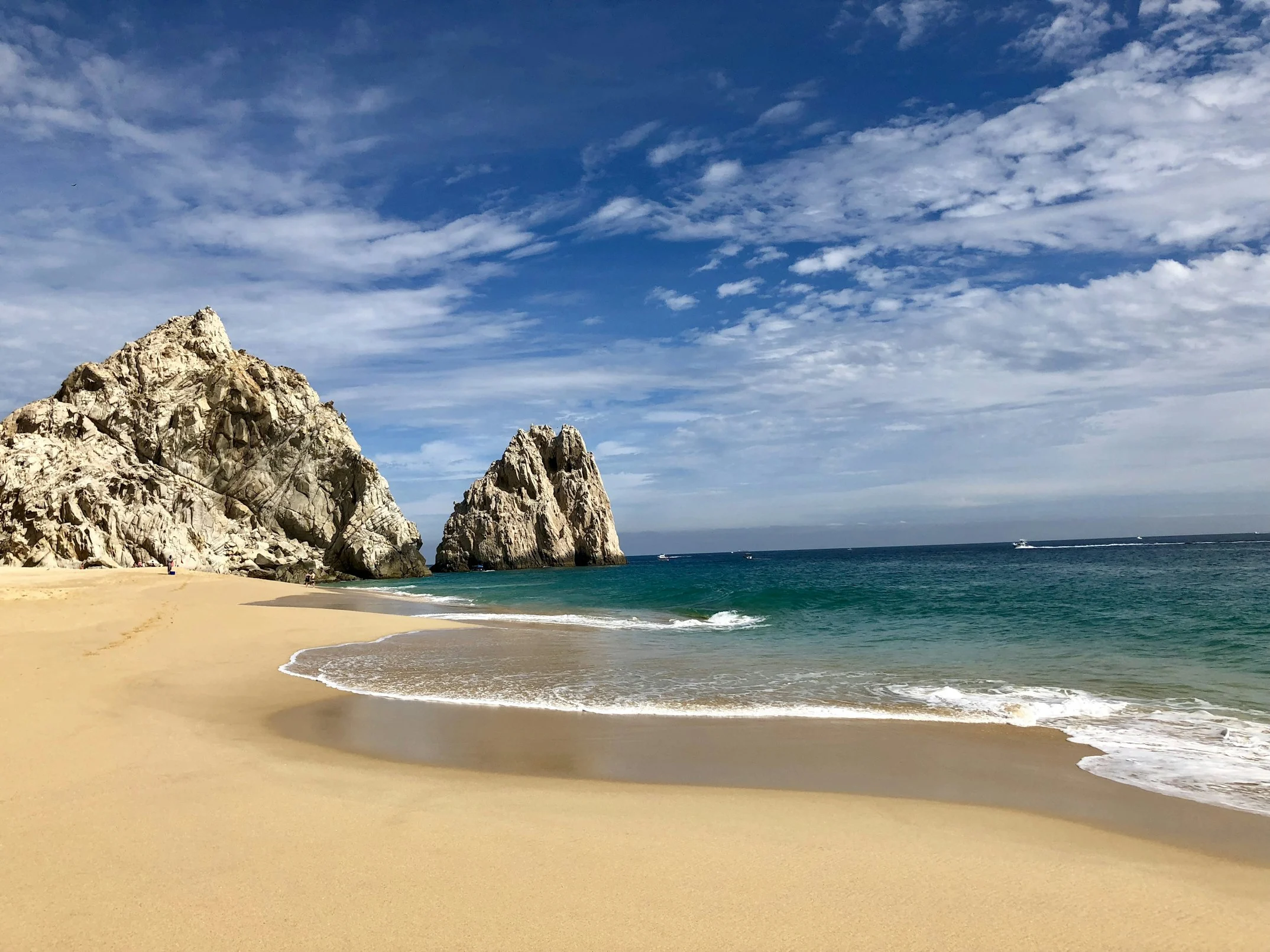
Weather: Cool mornings (65°F / 18°C) warming to pleasant afternoons (82°F / 28°C) on the coast. Mexico City experiences its coldest month with temperatures around 55°F (13°C).
Crowd Level: Very High - Peak tourist season in full swing
Price Level: $$$ - Highest prices of the year
Best For: Beach vacations, whale watching in Baja California, avoiding cold northern winters
January represents the heart of Mexico's high season. The weather is nearly perfect across the country, with minimal rainfall and comfortable temperatures. Caribbean beaches like Cancun and Tulum see an influx of visitors escaping cold weather back home.
What to Expect: Hotels and resorts operate at full capacity, especially during the first two weeks of January. You'll need to book accommodations at least 2-3 months in advance for popular destinations. Beach clubs and restaurants require reservations, and popular attractions sell out quickly.
Money-Saving Tip: Visit during the last two weeks of January after the New Year's rush dies down. Prices drop slightly, and crowds thin out, though conditions remain excellent.
Special Events: Three Kings Day (January 6) is celebrated across Mexico with parades, special bread (Rosca de Reyes), and festivities.
Safety Note: January is one of the safest months to visit as tourist infrastructure operates at maximum capacity, and authorities increase security in popular areas.
February: Premium Beach Weather
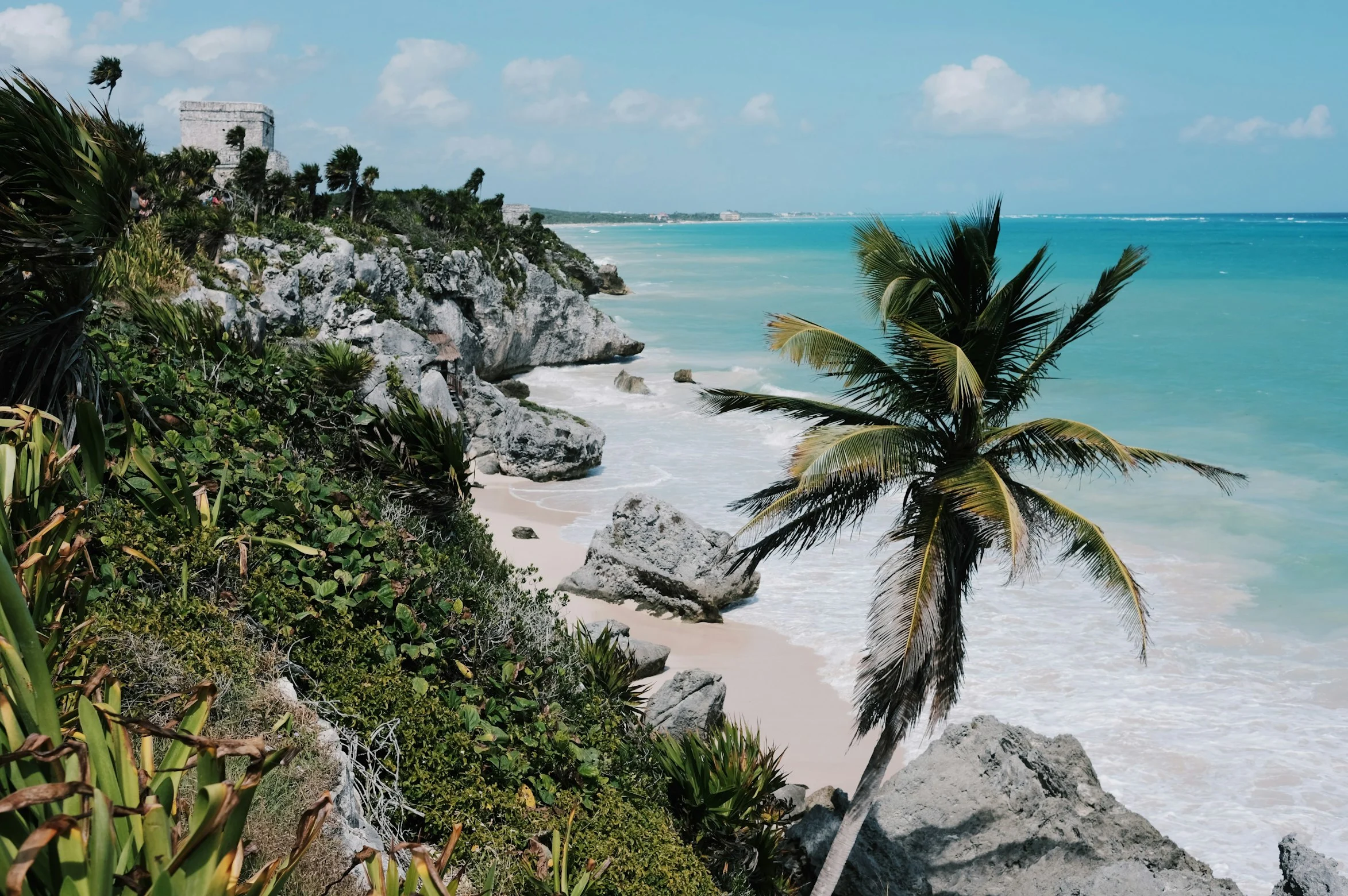
Weather: Dry and warm with temperatures 75-85°F (24-29°C). Perfect beach conditions with low humidity.
Crowd Level: Very High - Peak season continues
Price Level: $$$ - Premium pricing, especially during President's Day weekend
Best For: Beach relaxation, water sports, romantic getaways
February delivers some of the year's best weather in Mexico. Rain is virtually non-existent, humidity stays low, and ocean conditions are ideal for swimming, snorkeling, and diving. Water temperatures reach a comfortable 78-80°F (26-27°C).
What to Expect: This is arguably the most popular month for beach destinations. Cancun, Playa del Carmen, and Tulum reach maximum occupancy. Americans flock to Mexico during President's Day weekend (mid-February), creating a mini-peak within the peak season.
Festival Highlight: Carnival celebrations take place in late February or early March (dates vary annually). Mazatlán, Veracruz, and Mérida host spectacular parades, concerts, and street parties rivaling Rio de Janeiro's famous celebration.
Best Destinations: Los Cabos for whale watching, Isla Mujeres for swimming with whale sharks, Puerto Vallarta for perfect beach weather.
Booking Advice: Reserve everything at least 3 months ahead. Consider visiting lesser-known beach towns like Mazunte or Zipolite for better availability and prices.
→ Read our complete Cancun vs. Tulum vs. Playa del Carmen: Which to Choose?
March: Spring Break Invasion

Weather: Hot and dry, temperatures climbing to 85-90°F (29-32°C). Ocean temperatures peak at 80°F (27°C).
Crowd Level: Extreme - Spring break creates maximum crowds
Price Level: $$$$ - Highest prices in Cancun, Playa del Carmen, Tulum
Best For: Party atmosphere, spring breakers, avoiding if you want peace and quiet
March splits into two distinct periods. Early March continues the pleasant high season, but mid-to-late March transforms major beach destinations into spring break central.
What to Expect: From approximately March 10-25, Cancun, Playa del Carmen, Cabo San Lucas, and Puerto Vallarta become party zones. Hotels are booked solid with college students, beach clubs host daily pool parties, and nightlife reaches maximum intensity. Prices surge 50-100% during this period.
Family-Friendly Alternative: Skip the beach chaos and visit colonial cities like San Miguel de Allende, Oaxaca, or Guanajuato. These destinations maintain calm atmospheres with perfect spring weather.
Money-Saving Strategy: Visit during the first week of March (before spring break) or wait until the last week when crowds dissipate but weather remains excellent.
Important Safety Consideration: Spring break areas see increased petty crime (pickpocketing, bag snatching) due to large crowds and intoxicated tourists. Stay alert, use hotel safes, and avoid walking alone late at night.
→ Read our complete Mexico Safety Guide for Travelers
April: Shoulder Season Begins
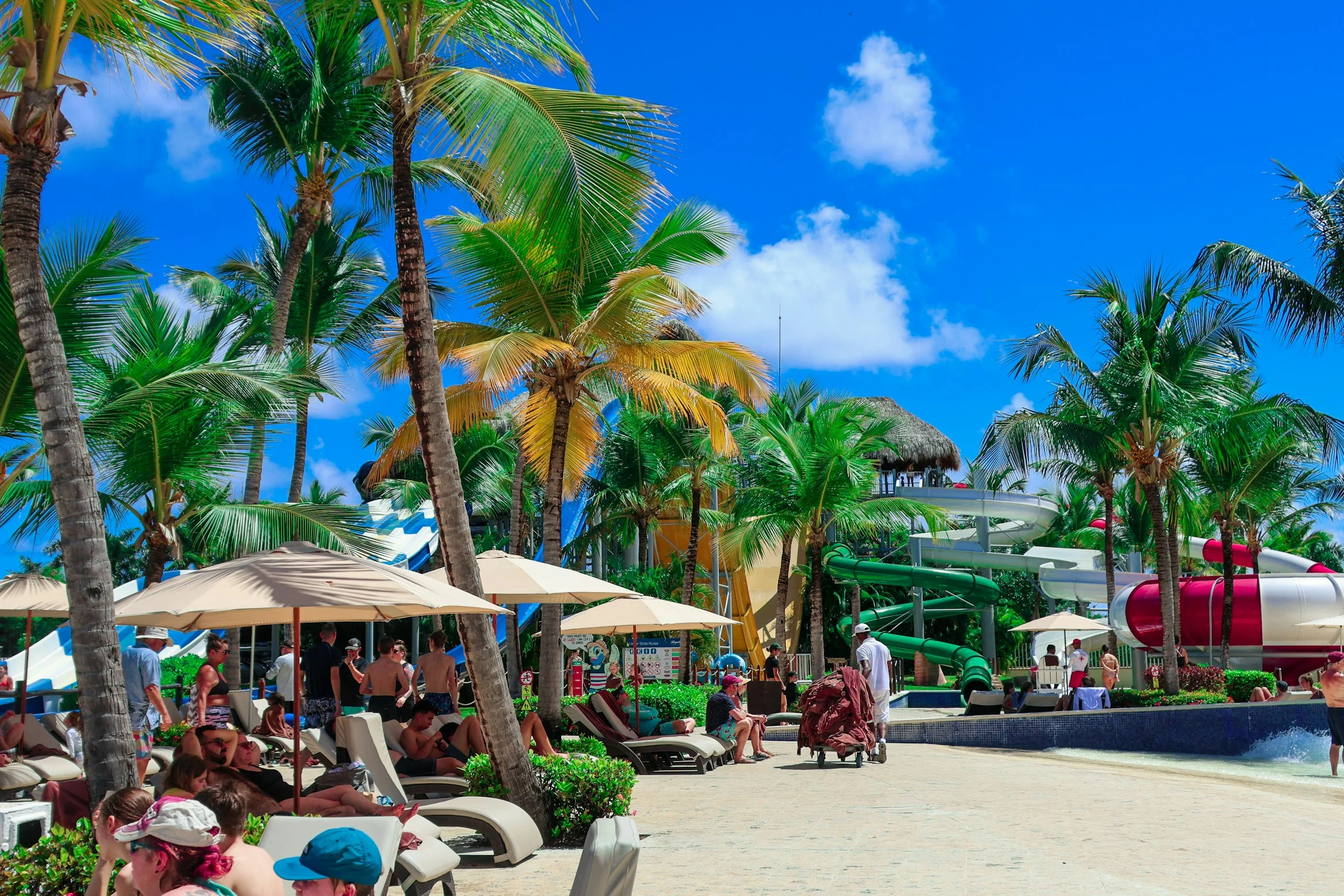
Weather: Very hot (90-95°F / 32-35°C) with increasing humidity. Dry conditions continue.
Crowd Level: Medium-High in early April, dropping to Medium late in the month
Price Level: $$ - Prices drop after Easter week
Best For: Budget travelers, fewer crowds, tolerating heat
April marks the transition from high season to low season. The first half of April remains busy, especially during Semana Santa (Holy Week), Mexico's most important holiday when locals travel domestically.
What to Expect: Easter week (Semana Santa) brings Mexican families to beach destinations. Hotels fill up, but the atmosphere differs completely from spring break - more family-oriented and culturally authentic. After Easter, international tourists disappear, creating excellent opportunities for deals.
Weather Considerations: Heat intensifies throughout April. Coastal areas become uncomfortably hot and humid, with midday temperatures reaching 95°F (35°C). Air conditioning becomes essential, not optional.
Best Value Period: The last two weeks of April offer the sweet spot - crowds have vanished, prices drop 30-40%, but rain hasn't started yet. You'll need to tolerate the heat, but beaches feel nearly empty.
Highland Alternative: Visit Mexico City, Puebla, or San Cristóbal de las Casas where higher elevations keep temperatures pleasant (70-75°F / 21-24°C).
May: Hot and Getting Hotter

Weather: Scorching hot (95-100°F / 35-38°C) with occasional rain starting late in the month. Humidity climbs.
Crowd Level: Low - Off-season begins
Price Level: $ - Significant discounts available
Best For: Budget travelers, tolerating extreme heat, avoiding crowds completely
May is Mexico's hottest month. Coastal destinations become sweltering, with heat indexes often exceeding 100°F (38°C). The rainy season begins late in the month, bringing afternoon thunderstorms.
What to Expect: Tourism drops dramatically. Many hotels offer 40-50% discounts compared to winter rates. Beach resorts feel empty, restaurants have plenty of availability, and you'll have popular attractions virtually to yourself.
Reality Check: There's a reason prices drop - the weather can be brutal. Midday temperatures make outdoor activities uncomfortable. Plan morning excursions, spend afternoons by the pool or beach, and venture out again after 5 PM when temperatures cool slightly.
Best Destinations for May:
Cenotes near Tulum (cool water provides relief)
San Miguel de Allende (elevation keeps it comfortable)
Baja California Norte (Pacific breezes moderate temperatures)
Rain Patterns: Late May sees increasing afternoon showers, typically lasting 1-2 hours. These brief storms actually provide welcome relief from the heat and rarely disrupt travel plans.
June: Rainy Season Arrives

Weather: Hot (90-95°F / 32-35°C) with daily afternoon rain. High humidity (80%+).
Crowd Level: Low - Hurricane season begins
Price Level: $ - Deep discounts, some hotels close for maintenance
Best For: Extreme budget travelers, experiencing tropical storms, solitude
June officially marks the start of both rainy season and hurricane season (June 1 - November 30). While hurricanes are rare in June, the threat keeps many travelers away.
What to Expect: Afternoon rain becomes predictable - expect downpours between 2 PM and 6 PM most days. Mornings typically stay sunny, allowing for beach time and activities before the rain arrives. Some hotels and restaurants close for annual maintenance.
Hurricane Reality: Actual hurricanes hitting Mexico in June are uncommon. Most June storms stay in the eastern Atlantic. However, tropical depressions can bring extended rainy periods lasting 2-3 days.
Advantages of June Travel:
Accommodation costs drop 50-60% from peak season
Nearly empty beaches and attractions
Lush, green landscapes from the rain
Morning weather often perfect for activities
Disadvantages:
Daily afternoon rain disrupts plans
Some tour operators reduce schedules
Humidity makes heat feel more oppressive
Hurricane insurance recommended for trip protection
Best Activities: Morning snorkeling, early museum visits, cenote swimming (rain doesn't matter underground), cooking classes, indoor cultural activities.
July: Summer Vacation Arrives
Weather: Hot (88-92°F / 31-33°C) with afternoon rain. Slightly less humid than June.
Crowd Level: Medium - Mexican families vacation, some international tourists return
Price Level: $-$$ - Prices increase slightly but remain below peak season
Best For: Family travel, cultural immersion, experiencing Mexico with locals
July brings Mexican school holidays, transforming the tourist demographic. International tourism remains light, but domestic tourism surges as Mexican families take summer vacations.
What to Expect: Beach destinations see Mexican tourists rather than international visitors, creating a more authentic experience. Hotels and restaurants cater to local preferences, prices stay reasonable, and you'll hear more Spanish than English.
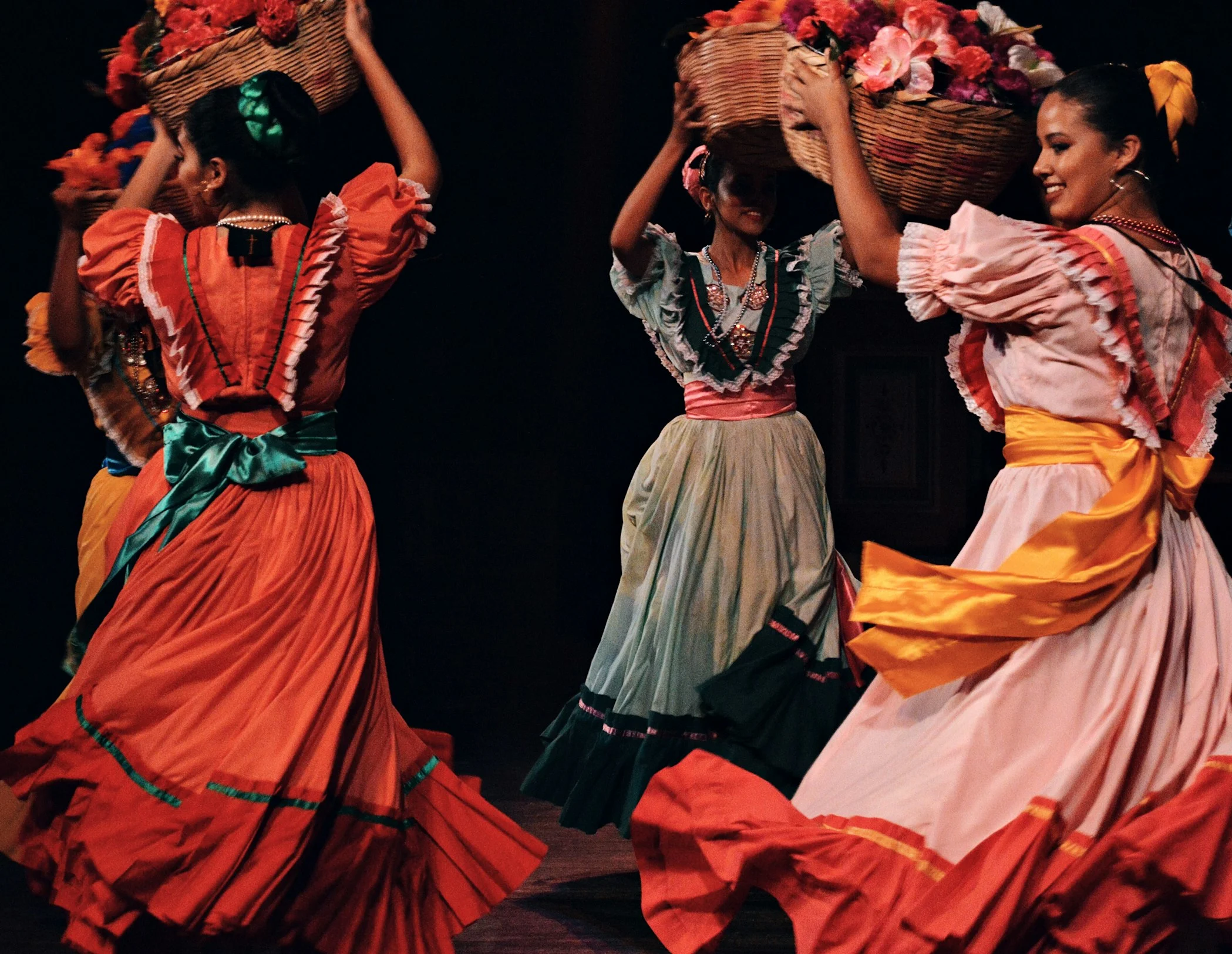
Cultural Advantage: Traveling during Mexican vacation time offers unique cultural insights. You'll experience how locals vacation, eat at family-favorite restaurants, and participate in authentic celebrations rather than tourist-focused activities.
Weather Patterns: Rain continues daily but becomes more predictable. Typically, mornings stay clear until 2-3 PM, when afternoon storms roll in for 1-3 hours, then clear by evening. Learn to plan around this schedule.
Hurricane Season Note: July sees slightly increased tropical storm activity compared to June, though major hurricanes remain uncommon. Monitor weather forecasts and consider trip insurance.
Best Destinations:
Oaxaca for Guelaguetza festival (last two Mondays of July)
Mexico City (rain cools the city, cultural activities abound)
San Miguel de Allende (manageable crowds, pleasant highland weather)
→ Read our complete Mexican Food Guide: What to Eat and Where
August: Peak Hurricane Season

Weather: Hot (88-92°F / 31-33°C) with frequent rain. Hurricane risk increases.
Crowd Level: Low-Medium - Some tourists, mostly domestic
Price Level: $ - Low prices due to weather concerns
Best For: Risk-tolerant travelers, maximum savings, flexibility with plans
August statistically sees the most tropical storm activity, though major hurricanes remain relatively rare. This risk keeps many travelers away, creating bargain opportunities for flexible visitors.
What to Expect: Daily afternoon rain continues, sometimes extending into evening. Humidity peaks, making it feel hotter than actual temperatures. Some days experience all-day rain when tropical systems pass through.
Hurricane Preparedness: If traveling in August, you must:
Purchase comprehensive trip insurance with hurricane coverage
Book refundable accommodations when possible
Monitor National Hurricane Center forecasts daily
Stay in sturdy hotels (avoid budget properties)
Have backup travel dates if evacuation becomes necessary
Silver Lining: When no storms threaten, August offers incredible value. Empty beaches, available restaurants, and deep discounts (up to 60% off peak rates) reward those willing to accept weather uncertainty.
Best Regions: Inland areas (Mexico City, Guanajuato, San Miguel de Allende) avoid hurricane threats entirely while maintaining reasonable weather.
Safety Considerations: Beyond hurricanes, rain can cause localized flooding in coastal areas and make some rural roads impassable. Stick to well-developed tourist zones with modern infrastructure.
September: Hurricane Peak and Independence Day
Weather: Hot (86-90°F / 30-32°C) with heavy rain. Highest hurricane probability.
Crowd Level: Very Low - Lowest tourism of the year
Price Level: $ - Rock-bottom prices, best deals available
Best For: Extremely budget-conscious travelers, experiencing Mexican Independence Day, accepting weather risks
September represents the absolute peak of hurricane season. Historically, more major hurricanes hit Mexico in September than any other month. This keeps most tourists away, creating the year's lowest occupancy rates.
What to Expect: Persistent rain, potential tropical storms, and genuine hurricane threats make September challenging for beach vacations. However, inland destinations remain perfectly viable and offer extraordinary value.
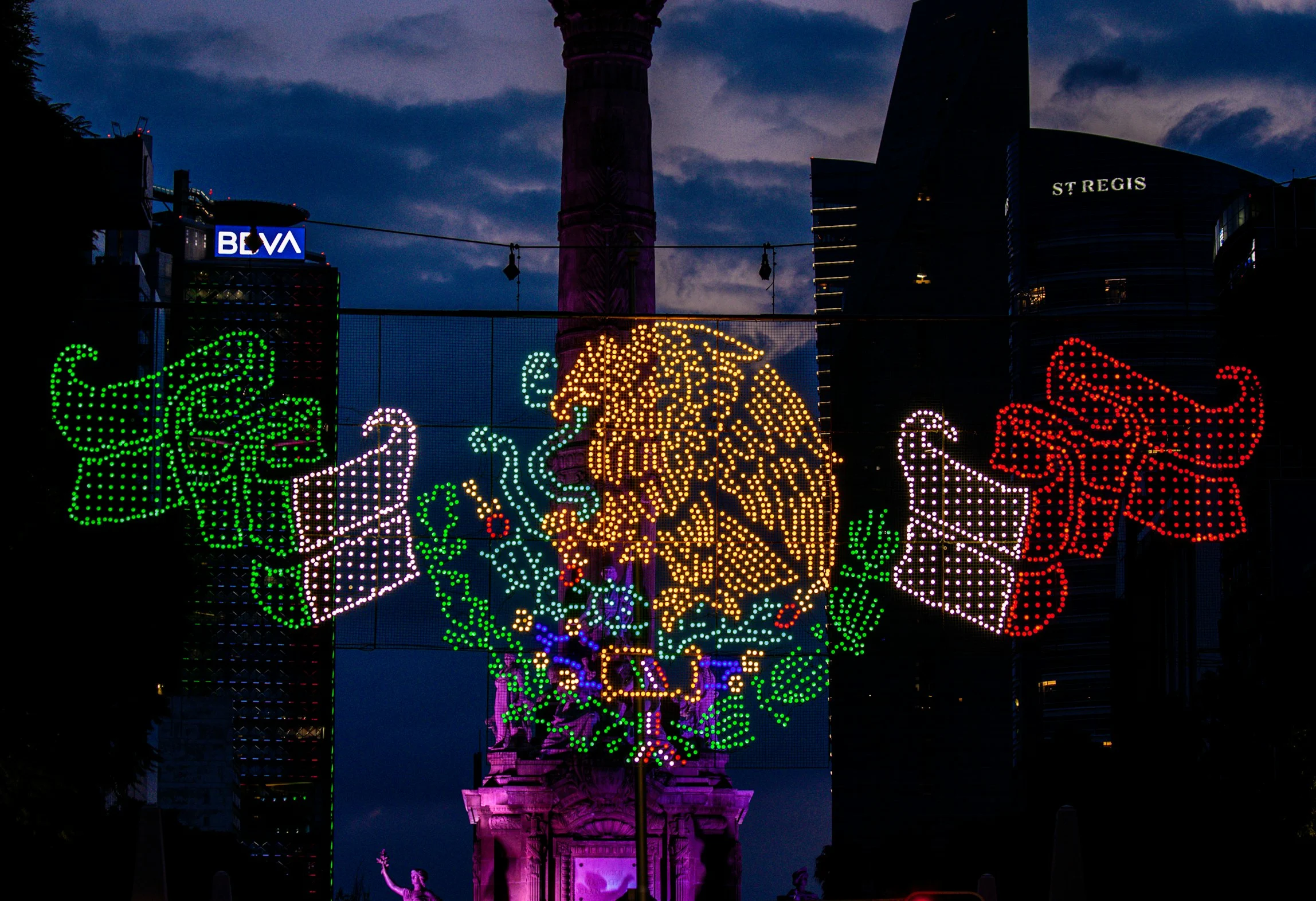
Mexican Independence Day (September 16): This major national holiday brings spectacular celebrations across Mexico. Mexico City hosts the largest festivities with the Grito de Dolores ceremony, fireworks, parades, and street parties. Experience authentic Mexican patriotism and cultural pride.
Smart September Strategy:
Skip beach destinations entirely unless you have complete schedule flexibility
Focus on highland cities (Mexico City, Oaxaca, San Cristóbal)
Plan around September 16 celebrations for cultural immersion
Only book if you have comprehensive travel insurance and backup dates
Advantages Despite Risks:
Absolute lowest prices of the year (70% below peak season)
Zero tourist crowds in non-beach areas
Authentic local experiences
Lush, green landscapes at their most beautiful
Reality Check: Some years, September passes without major storms affecting Mexico. Other years, multiple hurricanes cause significant disruptions. You're essentially gambling on weather.
October: Rainy Season Ends
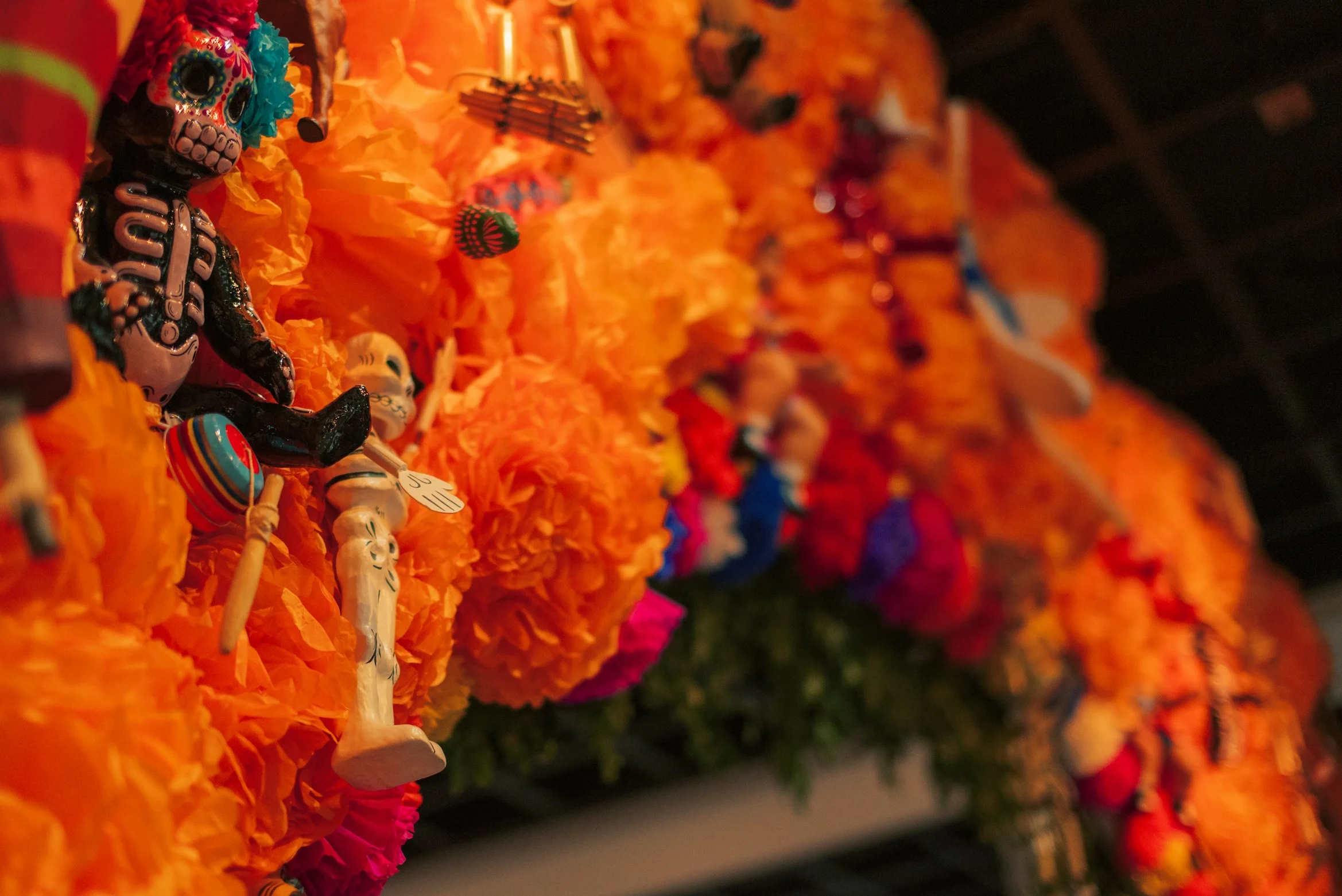
Weather: Warm (82-88°F / 28-31°C) with rain decreasing late in the month. Hurricane season continues until November.
Crowd Level: Low - Tourism slowly increases toward month's end
Price Level: $ - Great deals, especially early October
Best For: Día de los Muertos celebrations, shoulder season value, improving weather
October bridges rainy season and high season. Early October continues September's patterns, but conditions improve dramatically during the second half as rain decreases and hurricane risk drops.
What to Expect: The first two weeks maintain September's challenges - afternoon rain, humidity, and some storm risk. After mid-October, weather shifts noticeably. Rain becomes less frequent, skies clear more often, and temperatures moderate slightly.
Día de los Muertos (October 31 - November 2): Mexico's most iconic celebration honors deceased loved ones with elaborate altars, marigold decorations, cemetery vigils, and festive gatherings. Oaxaca and Mexico City host the most elaborate celebrations, attracting cultural travelers worldwide.
Best Value Period: Late October (after Day of the Dead) offers outstanding value - weather improves to near-perfect conditions, but prices haven't yet climbed for high season. Book for October 25-31 for the sweet spot.
Planning Around Día de los Muertos: If attending celebrations, book 3-4 months ahead. Hotels in Oaxaca, Pátzcuaro, and Mexico City fill quickly. Prices spike for this specific week but return to low season rates immediately after.
Hurricane Note: October still falls within hurricane season (which ends November 30), but risk decreases significantly compared to August-September. Late October rarely sees major storms.
November: Return to Paradise
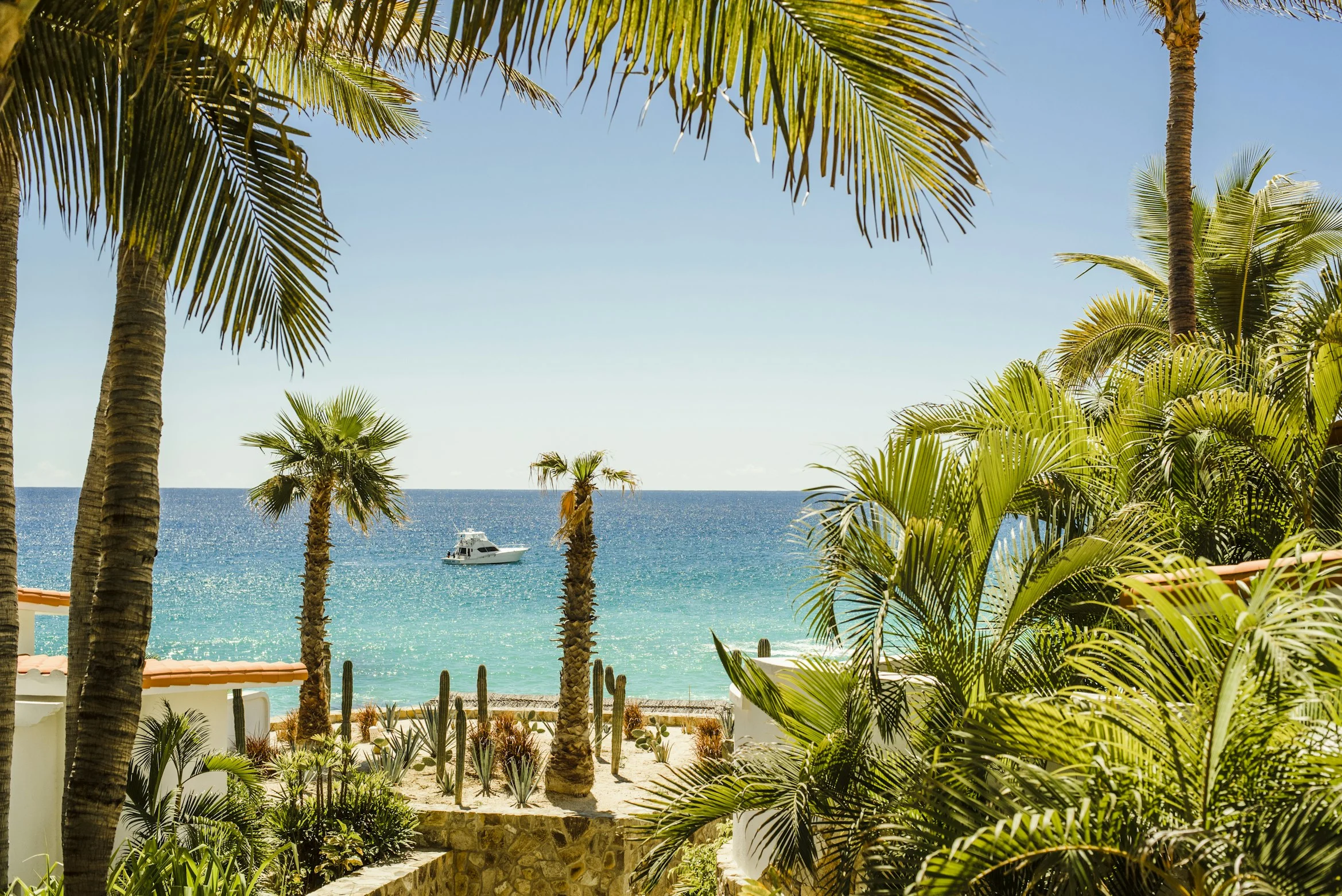
Weather: Beautiful (78-85°F / 26-29°C), dry, low humidity. Nearly perfect conditions.
Crowd Level: Medium - Increases throughout month, high during Thanksgiving
Price Level: $$-$$$ - Prices rise as high season approaches
Best For: Excellent weather, avoiding peak crowds, shoulder season value
November marks the magical transition to Mexico's prime season. Weather becomes nearly perfect, rain disappears, and tourist infrastructure fully reopens after any summer closures.
What to Expect: Early November extends the quiet shoulder season with perfect conditions and reasonable prices. After mid-November, tourism increases steadily. Thanksgiving week brings American families, creating the season's first crowd surge.
Best Time in November: The first two weeks of November offer the year's best value-to-weather ratio. You'll enjoy peak season weather at shoulder season prices, with manageable crowds at all attractions.
Thanksgiving Week: Hotels and flights spike during American Thanksgiving (late November). Mexican destinations become popular alternatives to traditional holiday gatherings. Book 2-3 months ahead for this specific week or avoid it entirely.
Activities: Perfect conditions for all activities - beach days, cenote swimming, Mayan ruin visits, water sports, and outdoor adventures. Ocean visibility peaks for snorkeling and diving.
Booking Strategy: Reserve November accommodations by September. Many properties sell out quickly as travelers seek to lock in the season's first perfect weather.
Best Destinations:
Cancun and Riviera Maya (perfect beach weather returns)
Los Cabos (whale watching season begins)
Mexico City (crisp, clear days ideal for sightseeing)
→ Read our complete Cancun vs. Tulum vs. Playa del Carmen: Which to Choose?
December: Holiday High Season
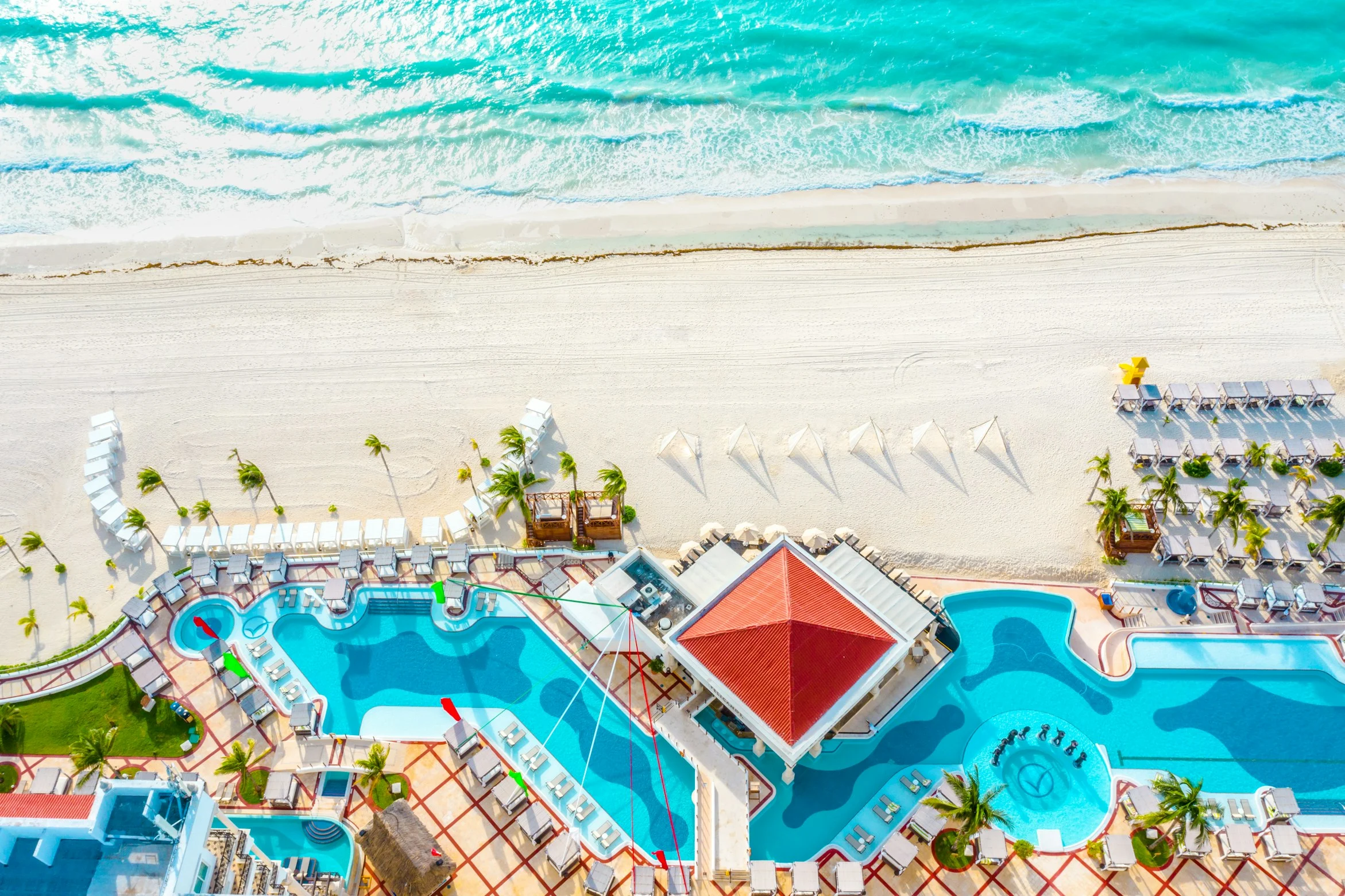
Weather: Mild and dry (75-82°F / 24-28°C). Occasional cool fronts bring refreshing breezes.
Crowd Level: Very High - Peak season, especially Christmas and New Year's
Price Level: $$$-$$$$ - Premium pricing, highest during holidays
Best For: Holiday celebrations, avoiding cold weather, festive atmosphere, guaranteed sunshine
December splits dramatically between early-mid December (manageable) and holiday weeks (chaotic). The month delivers consistent excellent weather but varying crowd levels and prices.
What to Expect - First Three Weeks: Tourism remains high but manageable. Prices stay elevated but don't reach holiday peaks. Weather continues November's perfection - dry, sunny, and comfortable.
Holiday Period (December 20 - January 5): Christmas and New Year's transform popular destinations into packed celebrations. Hotels reach maximum capacity, restaurants require reservations days in advance, and prices surge 100-200% above summer rates.
Las Posadas (December 16-24): Traditional processions reenact Mary and Joseph's search for shelter. Mexican communities host nightly celebrations with music, food, and piñatas. Experience authentic holiday traditions beyond tourist areas.
New Year's Eve: Beach destinations host spectacular celebrations. Cancun, Playa del Carmen, and Cabo San Lucas feature beach parties, fireworks, and all-night festivities. Reserve New Year's accommodations 4-6 months ahead.
Money-Saving Strategy: Visit December 1-15 for excellent weather without holiday premiums, or wait until after January 5 when prices drop immediately.
Safety Note: Large holiday crowds attract pickpockets. Stay vigilant in crowded areas, use hotel safes, and avoid displaying expensive items.
Best Destinations:
Anywhere (weather excellent throughout country)
Oaxaca for traditional holiday celebrations
Mexico City for Guadalupe-Reyes Marathon festivities
→ Read our complete Best All-Inclusive Resorts in Mexico
Month-by-Month Quick Guide
Month | Weather | Crowds | Prices | Special Events | Our Take |
|---|---|---|---|---|---|
January | ☀️ Excellent | 🔴 Very High | 💰💰💰 High | New Year celebrations | Perfect weather but expensive and crowded |
February | ☀️ Excellent | 🔴 High | 💰💰💰 High | Carnaval | Still peak season, book ahead |
March | ☀️ Excellent | 🔴 Very High | 💰💰💰 Highest | Spring Break | Avoid unless you want party vibes |
April | ☀️ Great | 🟡 Moderate | 💰💰 Medium | Easter/Semana Santa | Prices drop after Spring Break |
May | 🌤️ Good | 🟢 Low | 💰 Low | Cinco de Mayo | Shoulder season sweet spot |
June | 🌧️ Rainy afternoons | 🟢 Low | 💰 Lowest | Hurricane season starts | Great deals, manageable rain |
July | 🌧️ Rainy | 🟡 Moderate | 💰 Low | Summer vacation | Hot and humid but good value |
August | 🌧️ Very Rainy | 🟢 Low | 💰 Lowest | Hurricane risk highest | Cheapest month, weather risk |
September | 🌧️ Rainy | 🟢 Very Low | 💰 Lowest | Independence Day (Sept 16) | Rock-bottom prices, rain common |
October | 🌤️ Improving | 🟢 Low | 💰 Low | End of rainy season | Weather improving, still quiet |
November | ☀️ Great | 🟡 Moderate | 💰💰 Medium | Day of the Dead (Nov 1-2) | Excellent shoulder season |
December | ☀️ Excellent | 🔴 High | 💰💰💰 High | Christmas, New Year | Peak season returns |
Our Top Picks for Travel:
Best Overall: November (great weather, Day of the Dead, moderate crowds)
Best Weather: February (dry, warm, perfect beach conditions)
Best Value: September (lowest prices, though weather is risky)
Best Compromise: May or early June (good weather, low prices, manageable crowds)
Comparing Mexico's Three Most Popular Beach Destinations by Season
Understanding how seasons affect different destinations helps you choose the right location for your travel dates.
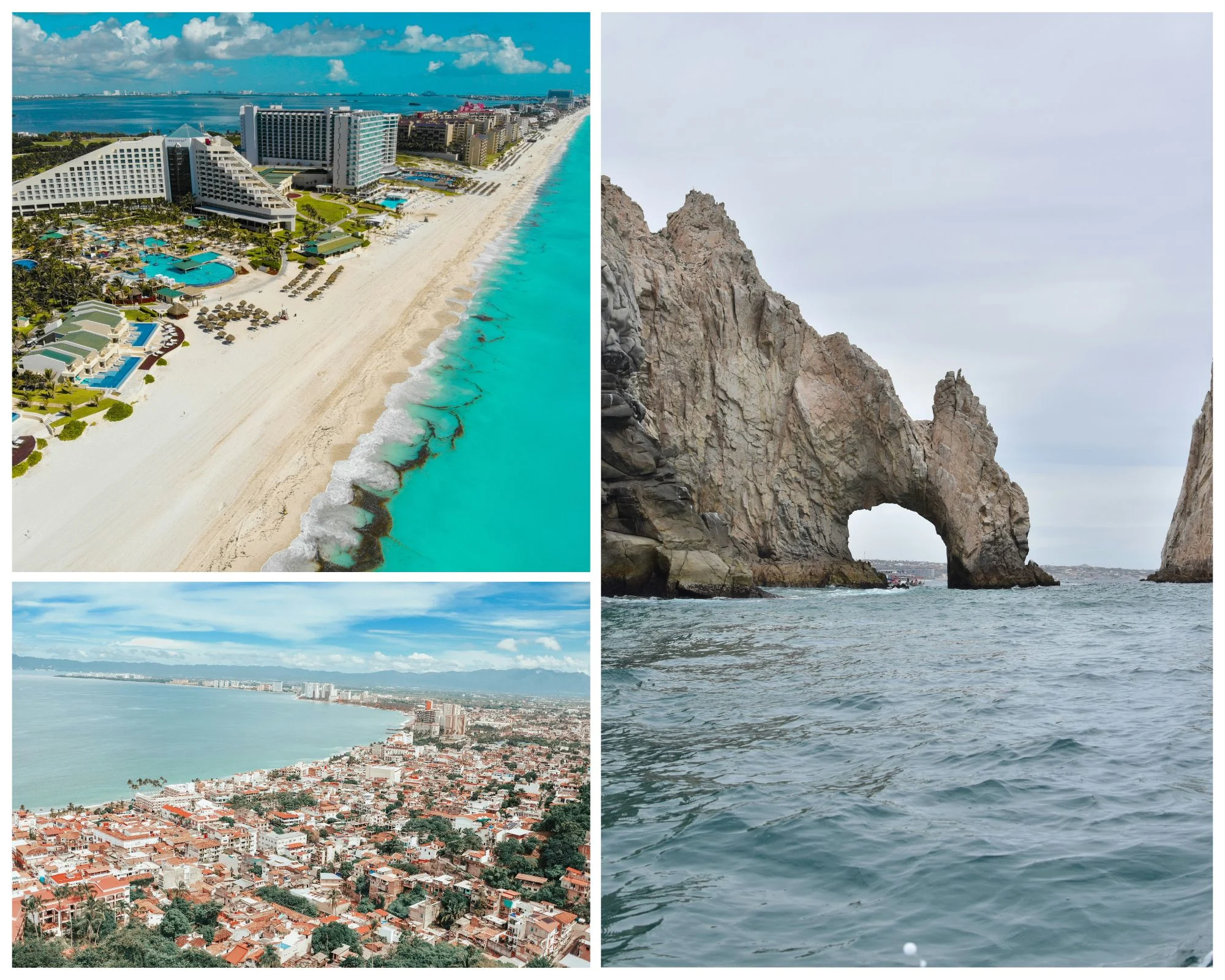
Cancun and the Riviera Maya
Best Months: December-April (perfect weather, full tourist services)
Avoid: September-October (highest hurricane risk)
Shoulder Season: November, May (excellent deals, weather still good)
Special Considerations: Most developed tourist infrastructure means operations continue year-round. Spring break (March) creates maximum crowds. Hurricane season brings genuine threats due to Caribbean location.
Crowd Management: Extremely crowded December-March. Consider staying in Playa del Carmen or Tulum for slightly fewer tourists while accessing the same beaches and attractions.
Los Cabos
Best Months: November-May (dry season, whale watching season)
Avoid: August-September (hurricane threats, extreme heat)
Shoulder Season: October-early November, June (good weather, fewer crowds)
Special Considerations: Desert climate means minimal rain even during "rainy season." Pacific hurricanes less frequent than Caribbean but still possible. Water temperatures coolest January-March (can feel cold for swimming).
Unique Advantage: Whale watching season (December-April) creates unique opportunities not available in Caribbean Mexico.
Puerto Vallarta
Best Months: December-April (peak season weather)
Avoid: September-October (rain, humidity, hurricane risk)
Shoulder Season: November, May (excellent balance)
Special Considerations: Mountains create afternoon clouds even in dry season. More rain than Cancun or Cabo during wet season but also more lush landscapes. Smaller tourism crowds than Cancun make even high season manageable.
Best For: Travelers seeking a less touristy beach experience with authentic Mexican culture.
Destination | Best Months | Peak Crowds | Hurricane Risk | Average Cost (High Season) | Unique Advantages |
|---|---|---|---|---|---|
Cancun/Riviera Maya | Dec-Apr | Very High | Moderate-High | $$$ | Best beaches, most infrastructure |
Los Cabos | Nov-May | High | Low-Moderate | $$$-$$$$ | Whale watching, desert landscapes |
Puerto Vallarta | Dec-Apr | Moderate | Low-Moderate | $$ | Authentic culture, less touristy |
Budget Travelers: When to Visit Mexico for Maximum Savings
If minimizing costs is your priority, strategic timing can save you hundreds or thousands of dollars without completely sacrificing experience quality.
Cheapest Months Overall: May, June, September, October (excluding Día de los Muertos)
Best Value Months (Quality + Price): Late October, early November, late April
Most Expensive: December 20-January 5, February, March (spring break weeks)
How Much Can You Save?
Hotel Costs: Off-season rates run 50-70% below high season prices. A $300/night resort in January might cost $100/night in September.
Flight Prices: Expect to save $200-400 per ticket flying in May-June or September-October versus December-February.
Tour Prices: Many tour operators offer rainy season discounts of 20-30%. Some experiences (cenote tours, cooking classes) maintain year-round prices.
Restaurant Costs: Food prices stay relatively consistent, but high-end restaurants often run summer promotions.
Budget Travel Strategy
Option 1 - Late October/Early November: Weather improves dramatically, rain ends, but high season prices haven't kicked in. You'll enjoy 90% of peak season quality at 50% of the cost.
Option 2 - Late April: High season officially ends, prices drop immediately, but weather remains excellent. You'll tolerate more heat but save significantly while avoiding rain.
Option 3 - June (for the bold): If you don't mind afternoon rain and some risk, June offers incredible value. Book refundable accommodations and maintain schedule flexibility.
What to Avoid: Never compromise on accommodation quality to save money. In hurricane season, staying in a solid, well-constructed hotel with proper insurance coverage is essential.
→ Read our complete Mexico Travel Costs: Daily Budget Breakdown
Festival and Event Calendar: Planning Around Mexico's Celebrations
Mexico's rich cultural calendar offers unique reasons to time your visit around specific events.
Major Festivals Worth Planning Around
Día de los Muertos (October 31 - November 2)
Location: Oaxaca, Mexico City, Pátzcuaro
What to Expect: Cemetery vigils, elaborate altars, parades, cultural performances
Planning: Book 3-4 months ahead, prices spike this specific week
Carnival (Late February/Early March - dates vary)
Location: Mazatlán, Veracruz, Mérida
What to Expect: Multi-day celebrations with parades, concerts, street parties
Planning: Book early, expect party atmosphere
Semana Santa/Easter Week (March/April - dates vary)
Location: Nationwide, especially beach destinations
What to Expect: Mexican families traveling domestically, religious processions
Planning: Popular destinations fill with locals, more authentic experience
Guadalupe-Reyes Marathon (December 12 - January 6)
Location: Nationwide, especially Mexico City
What to Expect: Extended holiday celebration period, parties, gatherings
Planning: Most festive time but highest prices
Guelaguetza Festival (Last Two Mondays of July)
Location: Oaxaca
What to Expect: Indigenous cultural performances, traditional dances, regional food
Planning: Book 2 months ahead for Oaxaca accommodations
Independence Day (September 16)
Location: Nationwide, biggest in Mexico City
What to Expect: Patriotic celebrations, fireworks, the Grito ceremony
Planning: Book ahead for Mexico City, expect closures on September 16
Festivals to Avoid (Unless You're Specifically Interested)
Spring Break (Mid-March): Beach destinations become party zones, not ideal for families or couples seeking relaxation.
New Year's Eve: Unless you enjoy massive crowds and premium prices, consider visiting before December 20 or after January 5.
When to Visit Mexico: Your Travel Style Guide
Different travel styles require different timing strategies.
For Families with Kids
Best Months: December (outside holiday weeks), February, March (avoid spring break), July
Why: School schedules limit options, but these months offer stable weather and kid-friendly conditions. July provides authentic cultural immersion with Mexican families vacationing.
Avoid: Hurricane season (June-November) creates too much uncertainty for family trips.
Tip: Book all-inclusive resorts for stress-free family vacations with predictable costs.
For Couples and Honeymooners
Best Months: Late November, December 1-15, February (especially around Valentine's Day)
Why: Romantic atmosphere, perfect weather, luxurious resort experiences at their finest.
Avoid: Spring break weeks (party atmosphere), Semana Santa (family-heavy crowds)
Tip: Look for adults-only resorts to guarantee peaceful, romantic environments.
[LINK: Romantic Getaways in Mexico for Couples]
For Adventure Travelers
Best Months: November-April for most activities, June-October for jungle adventures
Why: Dry season offers ideal conditions for hiking, cenote diving, ruin exploration. Rainy season makes jungles lush and waterfalls spectacular.
Avoid: Extreme heat months (May-June) make strenuous activities uncomfortable.
Tip: Book cenote tours and adventure activities regardless of season - they work year-round.
[LINK: Cenotes in Mexico: Ultimate Guide to Swimming in Sinkholes]
For Budget Backpackers
Best Months: May, June, September, October
Why: Maximize savings while accepting weather compromises. Hostels and budget accommodations offer deep discounts.
Avoid: High season (December-March) when even hostels charge premium rates.
Tip: Maintain complete schedule flexibility to adapt to weather conditions.
For Digital Nomads and Long-Term Travelers
Best Months: October-May for best overall experience, year-round possible
Why: Long stays allow you to ride out occasional bad weather while enjoying overall excellent conditions.
Avoid: Nothing - long-term presence means you experience all seasons and adapt accordingly.
Tip: Negotiate monthly rates at hotels or rent apartments for stays over 30 days.
Regional Timing: Best Time to Visit Different Parts of Mexico
Mexico's size means optimal timing varies significantly by region.
Yucatán Peninsula (Cancun, Tulum, Playa del Carmen, Mérida)
Best Time: December-April
Why: Dry season with perfect beach weather, minimal rain, comfortable temperatures.
Hurricane Considerations: Caribbean coast faces highest hurricane risk (June-November).
Cultural Highlight: Visit Chichen Itza during spring or fall equinox (March 20-21, September 22-23) when light creates a serpent shadow on the pyramid.
[LINK: Mayan Ruins in Mexico: Which Ones Are Worth Visiting?]
Baja California (Cabo San Lucas, La Paz, Todos Santos)
Best Time: November-May
Why: Pleasant temperatures, whale watching season, minimal rain even during wet months.
Summer Consideration: Extremely hot June-September (100°F+ / 38°C+) but hurricanes less common than Caribbean.
Unique Timing: December-April for whale watching in Cabo and Magdalena Bay.
Pacific Coast (Puerto Vallarta, Mazatlán, Huatulco)
Best Time: December-April
Why: Dry, sunny weather ideal for beach activities and coastal exploration.
Rainy Season: More rain than Caribbean during summer months but also lusher landscapes.
Festival Timing: Visit Mazatlán in February for Mexico's best Carnival celebration.
[LINK: Los Cabos vs. Puerto Vallarta: Complete Comparison]
Central Highlands (Mexico City, Guanajuato, San Miguel de Allende)
Best Time: October-May
Why: Spring-like temperatures year-round, but dry season offers clearest skies and most comfortable conditions.
Rainy Season: June-September brings afternoon showers but rarely disrupts travel plans significantly.
Festival Highlight: Visit Guanajuato in October for the International Cervantes Festival.
Oaxaca
Best Time: October-April
Why: Comfortable temperatures, minimal rain, perfect for exploring markets and archaeological sites.
Special Events: Late July for Guelaguetza festival, late October-early November for Día de los Muertos.
Avoid: May-June (extremely hot before rain arrives).
Chiapas (San Cristóbal de las Casas, Palenque)
Best Time: November-April
Why: Dry season makes jungle ruins more accessible and comfortable to explore.
Rainy Season Challenge: Heavy summer rains (June-October) can make rural roads impassable.
Highland Advantage: San Cristóbal stays cool year-round due to elevation (6,900 feet / 2,100m).
Safety Considerations by Season
Travel safety in Mexico varies somewhat by season, though destination choice matters more than timing.
High Season Safety (December-April)
Advantages: Maximum police presence in tourist areas, all services operating, large crowds mean strength in numbers.
Disadvantages: Crowded areas attract pickpockets and petty theft. Spring break areas see increased alcohol-related incidents.
Recommendations: Use hotel safes, avoid displaying expensive items, stay in well-lit tourist zones, use authorized taxis only.
Hurricane Season Safety (June-November)
Advantages: Fewer tourists mean less petty crime targeting visitors.
Disadvantages: Weather-related safety concerns, some infrastructure operating at reduced capacity, potential for flooding.
Recommendations: Purchase comprehensive travel insurance, monitor weather forecasts daily, stay in sturdy hotels, have evacuation plans.
General Year-Round Safety Tips
• Stick to established tourist zones and well-traveled areas • Avoid driving at night, especially in rural areas • Use only authorized transportation (official taxis, Uber, hotel shuttles) • Keep copies of important documents separate from originals • Register with your embassy for travel alerts • Research specific safety concerns for your destination • Trust your instincts - leave situations that feel uncomfortable
Important Note: Most tourist areas in Mexico maintain excellent safety records year-round. Millions of visitors travel safely to Mexico annually. Exercise normal precautions you'd use in any foreign country.
Practical Packing Guide by Season
What you pack depends entirely on when you visit.
High Season (December-April)
Essential Items: • Lightweight, breathable clothing • Sunscreen (SPF 50+) • Sunglasses and wide-brimmed hat • Swimwear (multiple sets) • Light sweater or jacket for air-conditioned spaces and cool evenings • Reef-safe sunscreen (required at some cenotes) • Water shoes for rocky beaches and cenotes
Leave at Home: Heavy jackets, umbrellas, rain gear
Shoulder Season (May, November)
Essential Items: • Everything from high season list • Light rain jacket or poncho (especially for May) • Quick-dry clothing if visiting in May • Insect repellent (mosquitoes increase with rain)
Weather Wildcard: May can be brutally hot - pack accordingly
Rainy Season (June-October)
Essential Items: • Waterproof phone case • Quick-dry clothing and towels • Sandals with good traction (wet surfaces) • Compact umbrella or rain poncho • Waterproof bag for electronics • Insect repellent (essential) • Ziplock bags for keeping items dry
Clothing Strategy: Pack less and plan to do laundry - humidity makes drying difficult
Year-Round Essentials
• Power adapter (Mexico uses Type A/B plugs, 127V) • Reusable water bottle (most hotels have filtered water) • Basic Spanish phrasebook or translation app • Copy of important documents (passport, travel insurance) • Personal medications (pharmacies available but bring prescriptions) • Small first aid kit
[LINK: Mexico Packing List: What to Bring for Your Trip]
Conclusion: Making Your Final Decision
Choosing the best time to visit Mexico ultimately depends on balancing your priorities: weather, crowds, budget, and specific experiences you're seeking.
For perfect weather and full tourist services: Visit November through April, accepting higher prices and crowds.
For maximum savings and flexibility: Consider May, June, or late October, tolerating heat or rain while enjoying near-empty destinations.
For cultural immersion: Time your visit around major festivals like Día de los Muertos, Carnival, or Independence Day.
For families: Stick to December-April when weather is predictable and all services operate reliably.
The key takeaway: Mexico offers something special year-round. Even the "worst" months provide unique advantages for certain travelers. First-time visitors planning beach vacations should aim for late November through early March, avoiding spring break weeks. This window delivers the classic Mexico experience with minimal compromises.
Ready to plan your Mexico adventure? Check out our complete [LINK: Mexico Travel Guide - Everything You Need to Know (2026)] for detailed destination guides, accommodation recommendations, and insider tips to make your trip unforgettable.
Mexico's diverse landscapes, rich culture, and warm hospitality await you. Choose your dates wisely, pack accordingly, and prepare for an incredible journey to one of the world's most captivating destinations.