Best City for Digital Nomads in Thailand 2026: Where to Actually Base Yourself
Every city in Thailand claims to be great for remote workers. Three of them actually are. Chiang Mai, Bangkok, and Phuket each have the infrastructure. The differences are in cost, community, and what happens when you close the laptop.
Choosing wrong does not ruin your Thailand experience. It just means a move after three months instead of after twelve. Most nomads who have been here a while have done both.
What Matters Beyond the WiFi Speed
Fast internet is the floor, not the differentiator. All three cities deliver 300 Mbps and above in a modern condo or co-working space. The real variables are monthly cost, how easy it is to meet other remote workers, air quality, and whether the city rewards you for being there outside of working hours.
City | Monthly Budget | Community | Co-working | Air Quality |
|---|---|---|---|---|
Chiang Mai | 40,000–65,000 baht | Strong, concentrated | Excellent | Poor Jan–Mar |
Bangkok | 60,000–90,000 baht | Large, dispersed | Excellent | Moderate |
Phuket | 55,000–80,000 baht | Medium, dispersed | Good | Good |
Chiang Mai: Where the Community Is
Chiang Mai's Nimman area became Thailand's original nomad hub for a specific reason: everything is close together. The cafes, the co-working spaces, the other remote workers, and the cheap good food all concentrate in a walkable area. CAMP at Maya Mall has been an institution for over a decade. Punspace, Yellow, and Mango are the most established co-working options.
A modern one-bedroom condo in Nimman runs 12,000 to 20,000 baht per month. A private room at a guesthouse costs 8,000 to 12,000 baht. Total monthly budget for a comfortable lifestyle, including accommodation, food, transport, and co-working, sits at 40,000 to 65,000 baht. Fiber connections in condos typically deliver 300 to 500 Mbps.
The social density is Chiang Mai's clearest advantage. You will meet other nomads without effort. That self-reinforcing community is genuinely hard to replicate in a larger city.
The Burning Season Problem
Chiang Mai's burning season runs from mid-January through March, peaking in February and March. The AQI regularly hits 200 to 300 during peak weeks. Outdoor exercise becomes impractical for extended stretches.
Most established Chiang Mai nomads treat February and March as travel months and return in April when the air recovers. Budget for that annual interruption from day one. If year-round stability matters more than community and cost, Chiang Mai is the wrong primary base.
Bangkok: The International Operating Base
Bangkok suits nomads who need more than a place to work. Regular client meetings, industry events, direct international flights, and premium healthcare are all here. True Digital Park in Punnawithi is the largest co-working complex in Southeast Asia. Sukhumvit and Ari are the neighbourhoods where most remote workers settle.
A modern one-bedroom in a good Bangkok area runs 20,000 to 35,000 baht per month. Total monthly budget lands at 60,000 to 90,000 baht. The BTS Skytrain makes the city manageable. Taxis during peak hours do not.
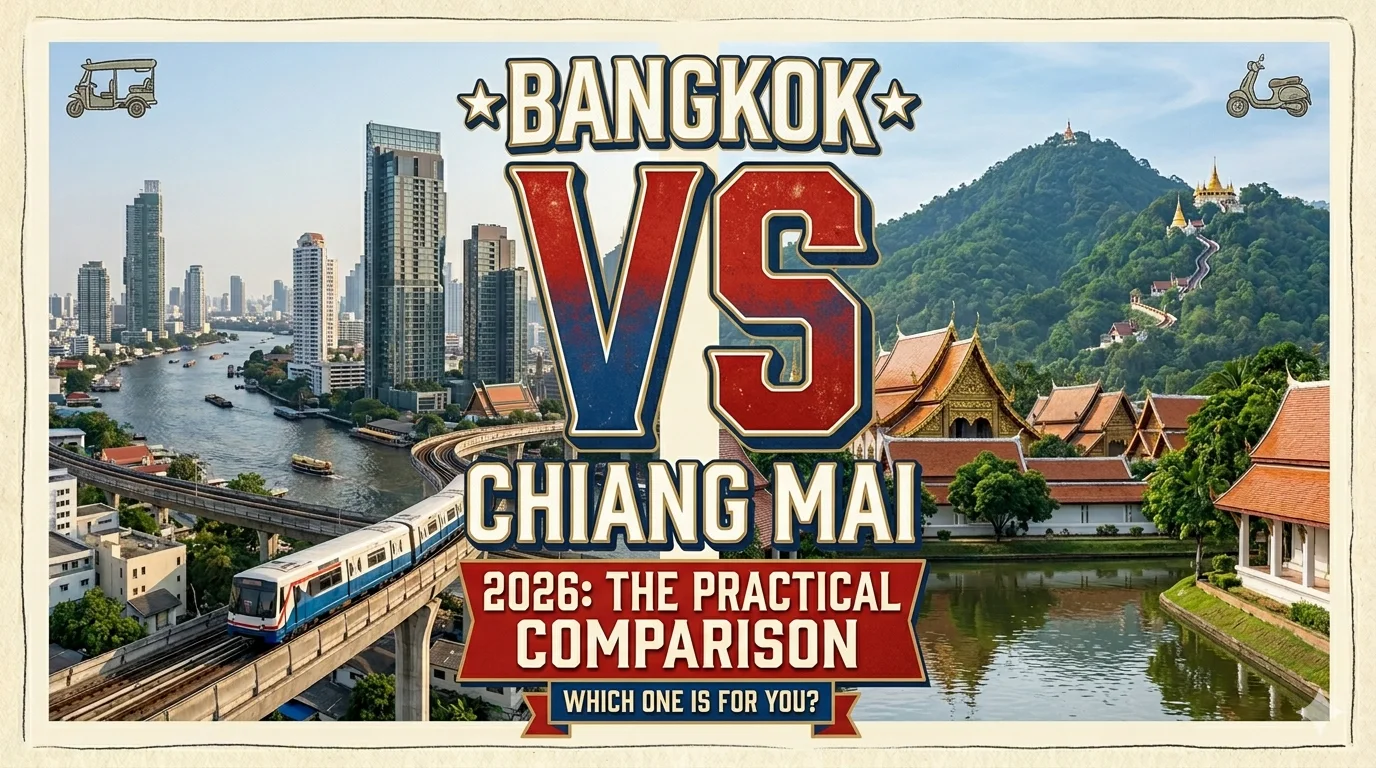
The trade-off is social cohesion. Bangkok is too large to generate the concentrated community that Chiang Mai produces naturally. Nomads scatter across a dozen neighbourhoods and finding your people takes real effort. For a deeper comparison of what daily life looks like in both cities, see Bangkok vs Chiang Mai for Expats.
Phuket: Work With a Beach Ten Minutes Away
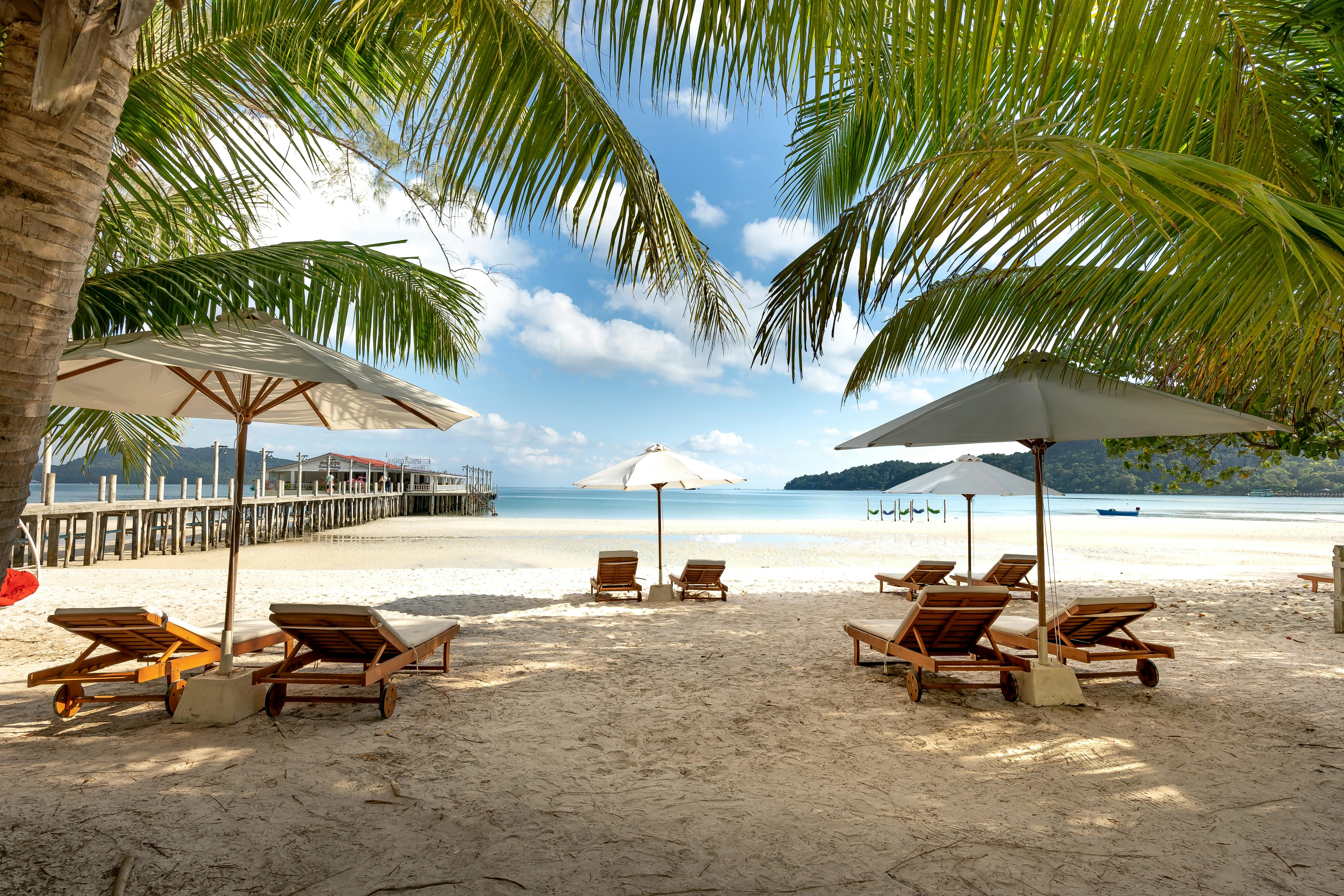
Phuket's nomad community concentrates in Rawai and Chalong in the south, away from Patong's tourist density. Co-working options include Hatch in Phuket Town and a scattering of spaces in Rawai. Internet in modern condos is reliable. The lifestyle case is straightforward: working from a beach environment with solid infrastructure is genuinely different from being landlocked.
Monthly costs run 55,000 to 80,000 baht, sitting between Chiang Mai and Bangkok. The nomad community is smaller and more spread out than either city. Phuket rewards people who value the beach lifestyle above community density and are willing to pay for it.
For expats weighing Phuket as a long-term base rather than a nomad base, Best Beach Cities for Expats in Thailand 2026 covers the full picture including healthcare and community trade-offs.
Visa Logistics Across All Three Cities
City choice does not affect visa options. The DTV, LTR, and tourist exemption all work identically regardless of where you base yourself. The practical differences are minor: Bangkok's Chaeng Wattana immigration handles the highest volume but runs online queue systems. Chiang Mai and Phuket offices are smaller and faster for routine 90-day reporting.
Pick based on lifestyle and cost, not visa logistics.
What Six Months Actually Feels Like
Short-term impressions shift considerably after a longer stay. Chiang Mai feels welcoming immediately because of its scale and social concentration. Bangkok feels overwhelming at first, then becomes comfortable once you find your neighbourhood and stop moving around. Phuket feels perfect in the quieter months of May through September and noticeably more crowded during high season.
Most nomads who have been in Thailand more than a year settle on Chiang Mai as their preferred base despite the burning season, with Bangkok second for people whose work benefits from an international hub. The pattern is consistent enough to be useful: try Chiang Mai first, adjust from there.
Where to Go from Here
If you are thinking beyond the three main nomad cities: Small Towns in Thailand Worth Living In.
For families weighing the nomad lifestyle alongside schools and safety: Best City for Families in Thailand 2026.
For the full city comparison across every major option: Best Cities to Live in Thailand 2026.