Can Foreigners Buy Property in Thailand?
Foreigners can own a condominium in Thailand freehold in their own name under the 49% Foreign Quota rule. Land cannot be owned directly. Most foreigners who want land access use a 30-year leasehold or a Thai company structure, each with significant legal considerations.
The basic rule
Thailand prohibits foreigners from owning land freehold. This is the foundation of Thai property law for non-citizens. The prohibition covers land, houses, and any structure that sits on land you do not own. The one major exception is condominium units in buildings registered under the Condominium Act, which allows foreign freehold ownership up to a defined quota.
As of 2026, no law change has removed or significantly relaxed this restriction despite recurring rumours of reform. Do not buy Thai property on the assumption that rules are about to change. Work with the rules as they exist today.
Your ownership options at a glance
Option | What you get | Land included? | Risk level |
|---|---|---|---|
🏢 Freehold condo | Full ownership, permanent title | No | Low |
📋 30-year leasehold | Legally enforceable land use | Yes | Medium |
🏢 Thai company structure | Company holds land title | Yes | Medium to high |
💍 Thai spouse | Land in spouse's name | Yes | High |
Freehold condo ownership: what is allowed
Foreigners can own condominium units in their own name, outright and freehold, under the Foreign Quota system. The Condominium Act limits foreign ownership in any building to 49% of the total floor area. The remaining 51% must be owned by Thai nationals. If the foreign quota in a building is full, a foreigner cannot purchase a unit in that building on a freehold basis.
In practice, foreign quota availability varies by building, location, and current market conditions. Always verify the current quota status of any specific building before proceeding.
The foreign freehold ownership right is permanent and can be inherited by your heirs or sold to another buyer, Thai or foreign. The condo unit's chanote (title deed) is registered in your name at the Land Department. This is the most secure form of property ownership available to foreigners in Thailand.
Land ownership: what is not allowed
Foreigners cannot hold a chanote (freehold title) for land in Thailand. This covers plots, villas, houses, and any property where the land itself is the primary asset. A detached villa, a pool house on a plot, or a townhouse sitting on its own land cannot be purchased freehold by a foreigner regardless of price or location. This restriction applies throughout Thailand including tourist areas like Phuket and Koh Samui where foreign-targeting marketing is pervasive.
Be cautious of developments marketed to foreigners as "freehold villas" or "freehold houses." These terms are sometimes used loosely to mean a freehold structure on a leasehold plot, which is a different legal arrangement than the freehold you have with a condo unit. Read any title deed carefully with a qualified Thai property lawyer before purchasing.
Leasehold as a land alternative
The most common legal path to using land in Thailand as a foreigner is a 30-year leasehold agreement registered at the Land Department. A registered leasehold gives you legally enforceable use of the land for 30 years. It can be renewed, transferred, and in many cases inherited, though the renewal is not automatic and is subject to negotiation with the landowner. See the full leasehold guide for how these agreements are structured and the risks involved.
Thai company structures
Some foreign buyers use a Thai-majority limited company to hold land. If a Thai company owns land, Thai shareholders must hold at least 51% of the shares. The legal structure is valid, but using nominee Thai shareholders who have no real economic interest in the company is illegal under Thai law. Enforcement against nominee structures occurs periodically. A genuine Thai company with real Thai co-investors is legally defensible; a nominee structure carries significant risk. See the Thai company land ownership guide for the legal details.
Buying process for a condo: step by step
Step | What happens |
|---|---|
1. Check foreign quota | Contact the building's juristic person's office to confirm quota availability |
2. Hire a Thai lawyer | Review purchase contract and title documents before signing anything |
3. Transfer funds from abroad | Send purchase funds from a foreign account directly to your Thai bank in foreign currency |
4. Get your FET form | Your Thai bank issues a Foreign Exchange Transaction form confirming funds were imported |
5. Sign the contract | Pay the agreed price per the contract terms |
6. Register at Land Department | Attend in person to complete the title transfer into your name |
The FET form is non-negotiable. The Land Department requires it to register a condo in a foreigner's name. Funds already sitting in Thailand as baht, without a foreign currency import trail, cannot be used for a freehold condo purchase. Transfer fresh funds from a foreign account specifically for the purchase.
Buying property in specific cities
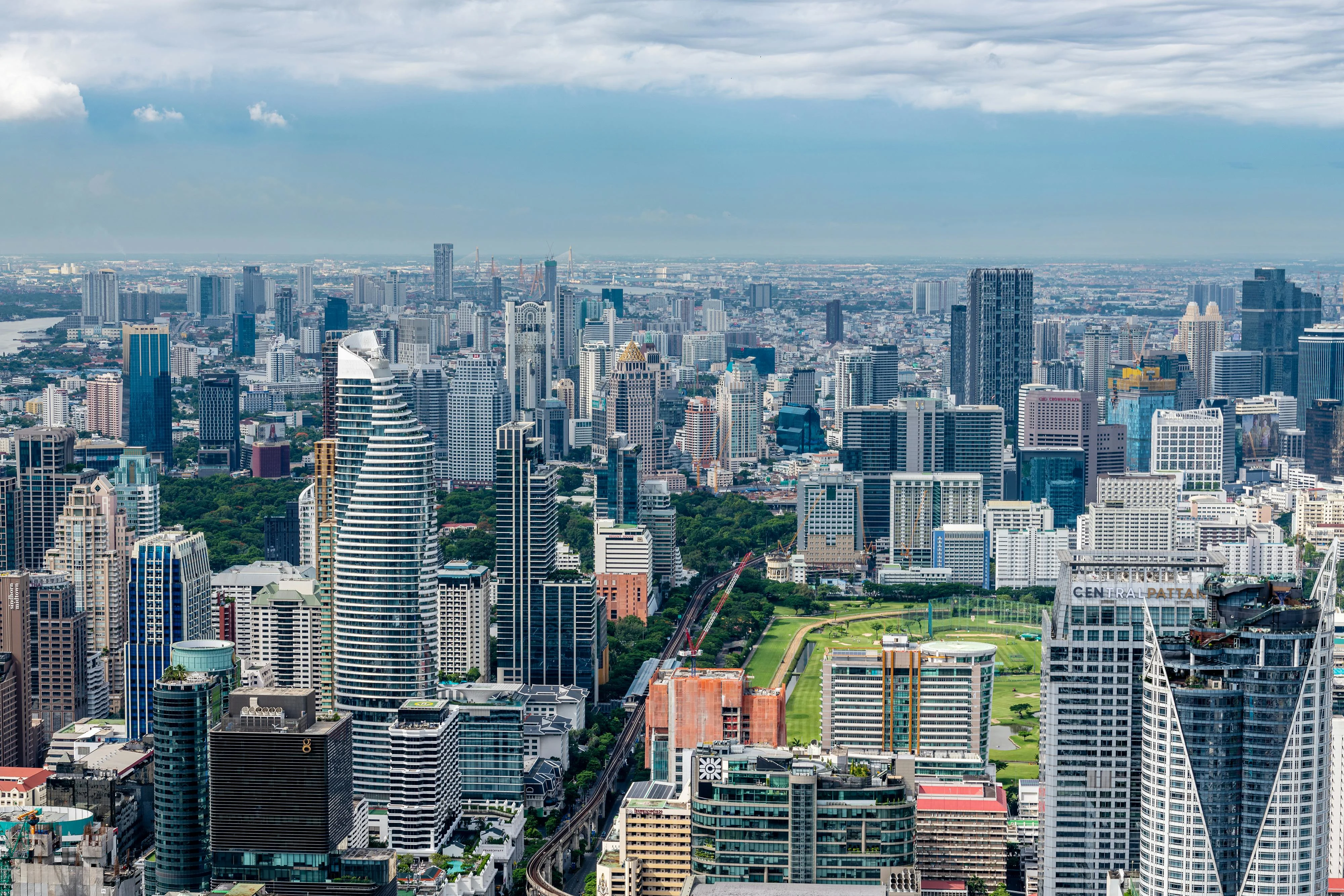
Bangkok: Sukhumvit and Silom corridors offer liquid, investment-grade condos with 4 to 6% rental yields. See the Bangkok condo investment guide for price ranges by district.
Phuket: The most active foreign buyer market in Thailand, with strong rental yields in tourist zones and significant development activity. See the Phuket property guide for area-by-area analysis.
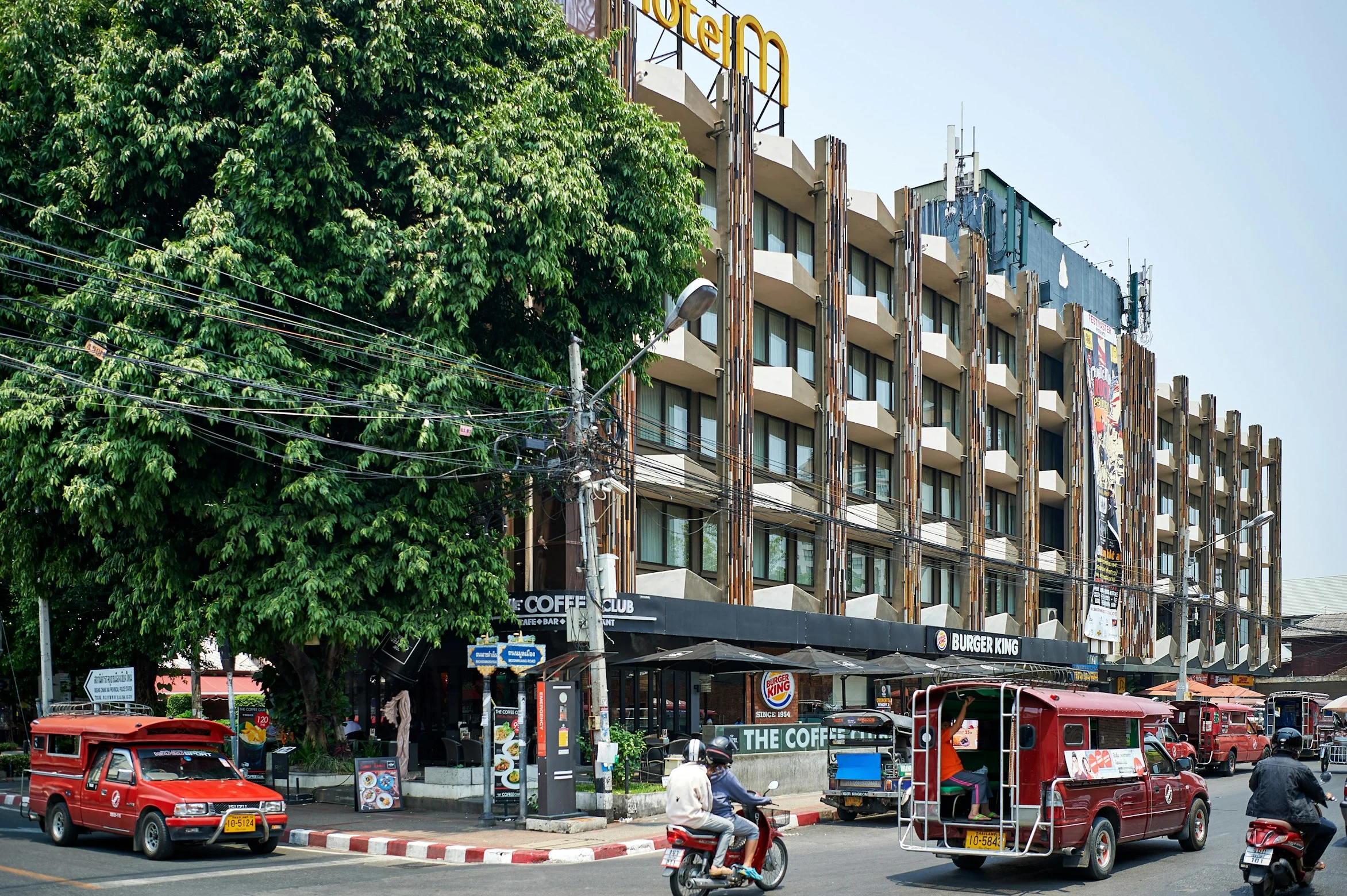
Chiang Mai: Lower entry prices and a stable expat rental market. See the Chiang Mai property guide for the local market breakdown.
Due diligence essentials
Never purchase Thai property without a full title search conducted by a Thai lawyer at the Land Department. This confirms the title type, identifies any encumbrances or mortgages, and verifies the seller has the legal right to sell.
Title type | Strength | Notes |
|---|---|---|
Chanote (NS4) | ✅ Strongest | GPS-surveyed, full ownership rights |
Nor Sor 3 Gor | ⚠️ Moderate | Can be upgraded to chanote |
Nor Sor 3 | ⚠️ Weaker | Less precise boundaries, more risk |
Verify developer history for off-plan purchases by checking Land Department records for previous completed projects. Bring a Thai lawyer to every Land Department transaction to verify documents before signing anything.
Where to go from here
Thai property law is specific and the consequences of getting it wrong are expensive. These guides go deeper on the decisions you will face once you move past the basics.
For leasehold agreements: the Thailand leasehold guide covers how 30-year contracts are structured, what renewal actually looks like in practice, and what to watch for in the fine print.
For company structures: the Thai company land ownership guide explains when a company structure is legally defensible and when it is not.
For city-specific markets: Bangkok, Phuket, and Chiang Mai each have dedicated property guides with current pricing and neighbourhood breakdowns.
For visa options that complement long-term property ownership: the Thailand Visa Guide covers every route from the 60-day exemption to the 10-year LTR visa.