Best Time to Visit Thailand: Month by Month Breakdown
Thailand does not have one rainy season. It has three, running on different schedules across different coastlines. Plan your trip around Phuket's dry season and you might land in Koh Samui's worst month of the year.
Most guides gloss over this and hand you a generic "best time to visit" answer. This one covers the month-by-month breakdown for each region, which city to book for each season, and where to go when the rest of the country is underwater.
Thailand's Three Weather Zones
Central Thailand and the North (Bangkok, Chiang Mai, Chiang Rai) share a monsoon pattern running roughly May through October. The Andaman Coast (Phuket, Krabi, Koh Lanta) follows the same window, getting hit from May through October. The Gulf Coast (Koh Samui, Koh Phangan, Koh Tao) sits on the opposite side of the peninsula and gets its rain from October through December, when the rest of the country is dry.
The rule that saves most trips: November and December are the worst months to be in Koh Samui, and the best months to be in Phuket. Same country, opposite outcomes, two hours apart by air.
Month by Month Breakdown
Month | Bangkok / North | Andaman Coast (Phuket) | Gulf Coast (Samui) | Overall |
|---|---|---|---|---|
January | Cool, dry, 25-32°C | Sunny, calm seas | Drying out, some showers | Excellent |
February | Warm, dry, 27-34°C | Best month of year | Good, improving | Excellent |
March | Hot, dry, 30-38°C | Hot, calm, busy | Good, dry | Very good |
April | Very hot, 33-40°C, Songkran | Hot, occasional showers | Good, dry | Good (Songkran chaos) |
May | Hot, rains starting, 30-36°C | Monsoon starts | Good, mostly dry | Mixed |
June | Warm, regular rain, 29-35°C | Monsoon, rough seas | Good, dry | Mixed (go to Gulf Coast) |
July | Warm, afternoon rain, 29-35°C | Monsoon, some days good | Good | Good for Gulf Coast |
August | Warm, regular rain, 28-34°C | Monsoon continues | Good | Good for Gulf Coast |
September | Wettest month in Bangkok | Worst month in Phuket | Good until late month | Difficult overall |
October | Rains easing, 27-33°C | Improving | Monsoon starts | Mixed |
November | Excellent, 24-30°C | Excellent | Heavy rain, rough seas | Excellent (avoid Gulf Coast) |
December | Best month, 22-29°C | Best month | Still wet in early Dec | Excellent (avoid Gulf Coast) |
High Season: November to February

November through February is Thailand at its most comfortable, and every other visitor has already figured that out. Temperatures drop to their most manageable levels, humidity backs off, and the skies stay clear for weeks at a stretch. Bangkok sits at 22 to 30 degrees Celsius with evenings that are actually worth walking around in.
Chiang Mai drops to 15 to 18 degrees at night, which is unusually cold for Southeast Asia. Pack a layer for evenings or you will be hunting for a jacket at Nimman on day one. Phuket and Krabi have calm Andaman seas through this window, with diving visibility running 15 to 30 metres at the top sites.
Hotel rates across the country run 30 to 60 percent higher than low season. The two weeks around Christmas and New Year and the Chinese New Year period (late January or February depending on the year) are the busiest of the year. Book 2 to 3 months out for those dates or your options will be limited to whatever no one else wanted.
Shoulder Season: March to May
March through May is Thailand's hot season, and it commits fully to that identity. Bangkok and the interior hit 38 to 40 degrees Celsius in April. It is not uncomfortable in a manageable way. It is uncomfortable.
The upside is real. Hotel rates drop, queues at major sights thin out, and Phuket and Krabi stay dry right up until the monsoon arrives in late May. March is a strong month for the Andaman Coast if you can handle the temperature.
April brings Songkran, the Thai New Year water fight, running 3 to 5 days depending on the region. Chiang Mai's version runs 5 full days and the moat around the Old City becomes the main arena. Keep your phone dry and your passport in the hotel safe. Travel between cities becomes difficult as roads fill and buses sell out days in advance.
Low Season: June to October
The Andaman side (Phuket, Krabi, Phi Phi) takes a real hit from May through October. Seas can be rough for island hopping and some dive boats stop running entirely during the worst weeks. Resorts stay open, rates drop 30 to 50 percent, and the landscape turns a shade of green that the high season photographs never capture.
Bangkok and the North get afternoon rain, not all-day grey. A typical low-season shower runs 1 to 2 hours and then clears. Air quality in Chiang Mai improves significantly once the burning season ends in April, making June through September the best months for trekking and outdoor activities in the North.
The Gulf Coast runs its own calendar and peaks when the Andaman side is at its worst. June through September is the window for Koh Samui, Koh Phangan, and Koh Tao.
Best City for Each Season
November to February
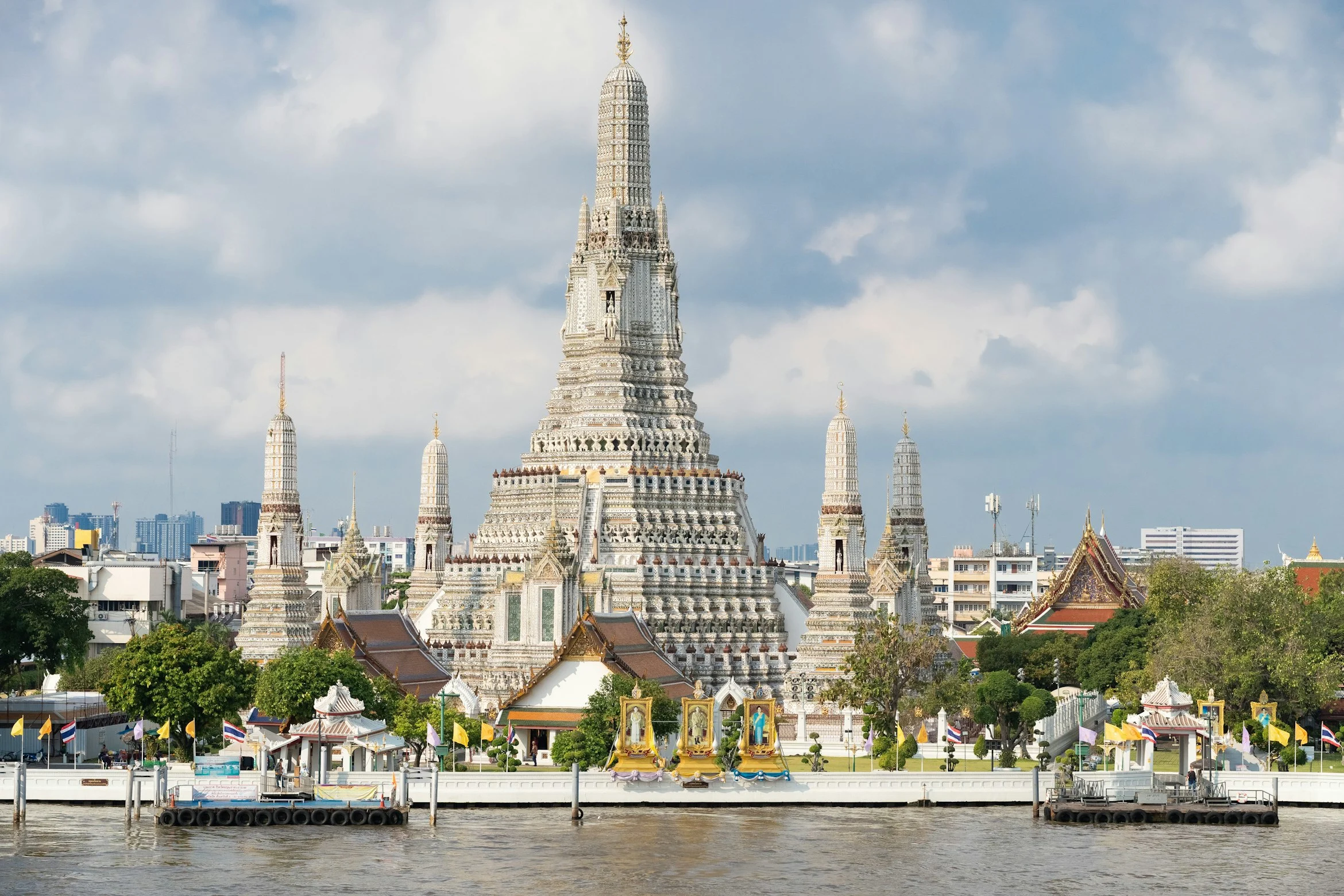
This is the window when you can go almost anywhere without making a mistake. Bangkok is at its most walkable. Chiang Mai's cool nights make the Old City feel built for slow mornings and long dinners. Phuket and Krabi are at peak condition for water activities. The only wrong move is Koh Samui in November, when the Gulf monsoon is at its worst.
March to May
Phuket, Krabi, and the Andaman islands are dry and uncrowded before the monsoon. If your dates land in April, Chiang Mai for Songkran is the highest-priority call. Bangkok in April is a heat test at 38 to 40 degrees and the answer depends entirely on your tolerance for that.
June to September: Where to Go in Low Season
Bangkok barely notices the rain. Afternoon showers cool things down for an hour and then it is over. Museums, street food, markets, and temples run regardless of weather. Hotel rates drop 30 to 50 percent from peak season. If Bangkok is on your list and budget matters, this is the window.
Chiang Mai in the green season is the most underrated call on this list. The burning season (February through April) is over, the mountains are lush, and the waterfalls are actually running. Doi Inthanon and the surrounding national parks look their best after months of dry heat. Fewer tour groups, lower guesthouse rates, and the outdoor market circuit runs in full.
Koh Samui and Koh Phangan are at their best from June through September. This is their high season on the Gulf calendar. Clear water, consistent sun, and the Full Moon Party at full capacity. Accommodation runs more affordable than the Andaman coast during the same period.
Koh Tao for diving sees 20 to 30 metres of visibility through these months. The dive schools operate fully. This is one of the most cost-effective places in Southeast Asia to get PADI certified, and the Gulf conditions make low season the logical time to go.
Phuket and Krabi need an honest note. June and October are manageable with some clear days. July and August are hit and miss. September is the one month to skip on the Andaman side entirely.
October
October is a transition month everywhere. Bangkok and the North are drying out and the weather is improving fast. The Andaman coast starts to clear, with Phuket offering usable days by mid-month. The Gulf Coast is just entering its rainy season, making October the last viable month for Koh Samui before the November monsoon lands.
Special Events Worth Planning Around
Songkran falls on 13 to 15 April nationally, with Chiang Mai extending to 5 full days. Book accommodation 6 to 8 weeks out for Chiang Mai's Songkran or you will be commuting in from a guesthouse 30 minutes outside the action.
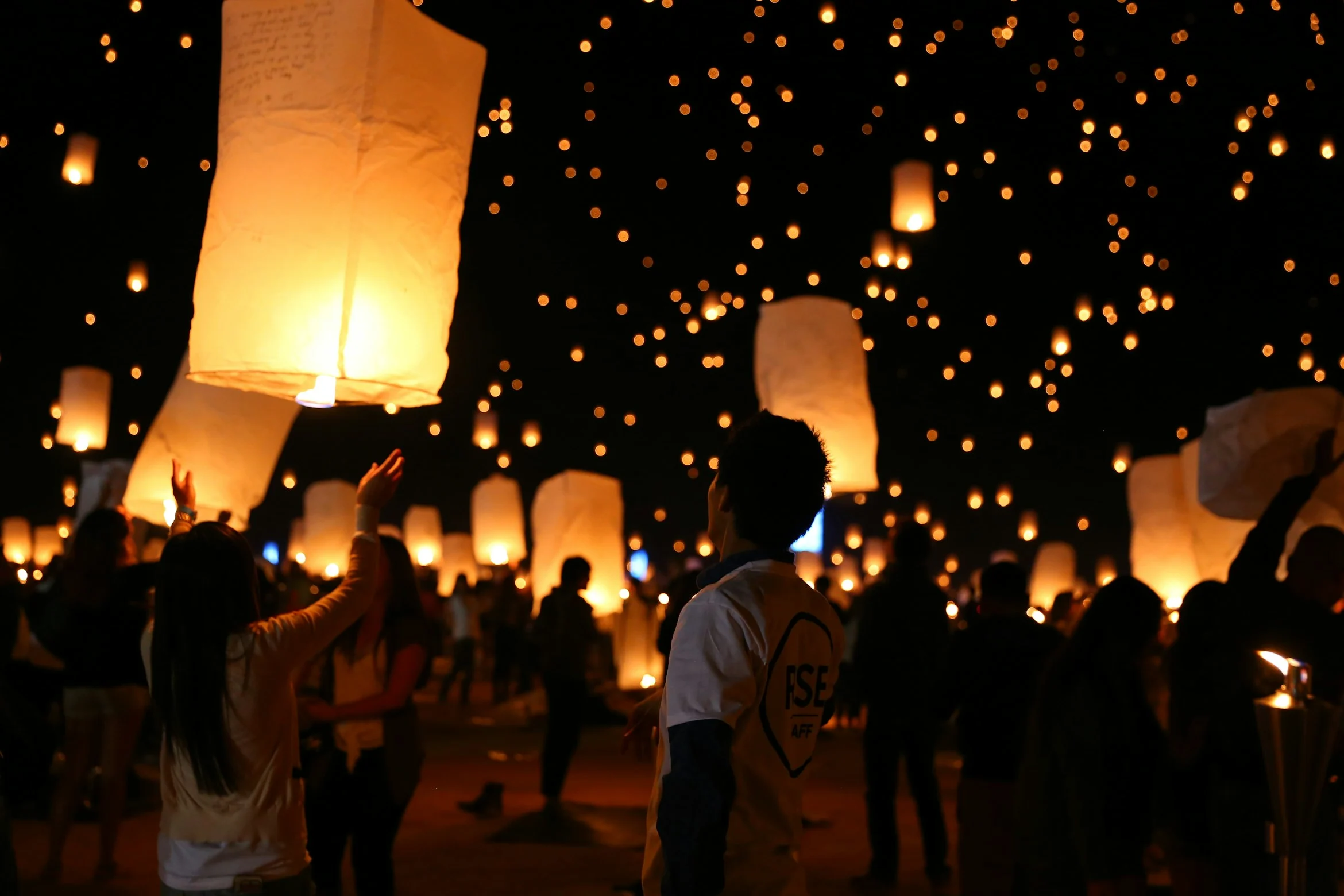
Loy Krathong and Yi Peng fall on the full moon in November. Chiang Mai is the destination for the sky lantern release, where thousands of paper lanterns go up on the same night. The date shifts each year by the lunar calendar, so check before booking.
The Full Moon Party on Koh Phangan runs monthly, drawing 20,000 to 30,000 people on peak nights. Book accommodation on the island 4 to 6 weeks ahead of full moon dates.
Best Time to Visit by Goal
Goal | Best Months | Notes |
|---|---|---|
Beach holiday on Phuket or Krabi | November to April | Calm seas, best visibility for diving |
Beach holiday on Koh Samui | February to September | Avoid October to December |
City trip to Bangkok | November to February | Best weather, most walkable |
Chiang Mai | November to February | Cool nights, clear skies, markets in full swing |
Green season trekking (Chiang Mai) | June to September | Mountains lush, burning season over |
Budget trip, low crowds | May to October | Rates 30 to 50% lower, quieter sights |
Gulf Coast islands | June to September | Samui, Phangan, Tao at their best |
Songkran | April 13 to 15 | Book well ahead, especially in Chiang Mai |
Lantern festival | November full moon | Chiang Mai, date varies by year |
Where to Go from Here
Once your timing is sorted, the first trip to Thailand guide covers visas, money, transport, and what to expect on the ground. The Thailand packing guide breaks down exactly what to bring for each season. If you are still working out flights, the cheapest flights to Thailand from the US covers the booking windows that actually move the price. For first-timers, Thailand for beginners covers the 10 things that catch most people off guard.