Solid post overall. Fixes needed: one "genuinely," a stray "Bangkok city guide" note in the intro, a duplicate word in the MRT section, an incomplete sentence, and internal links to update. Here is the clean version:
Getting Around Bangkok: BTS, MRT, Grab, and When to Walk
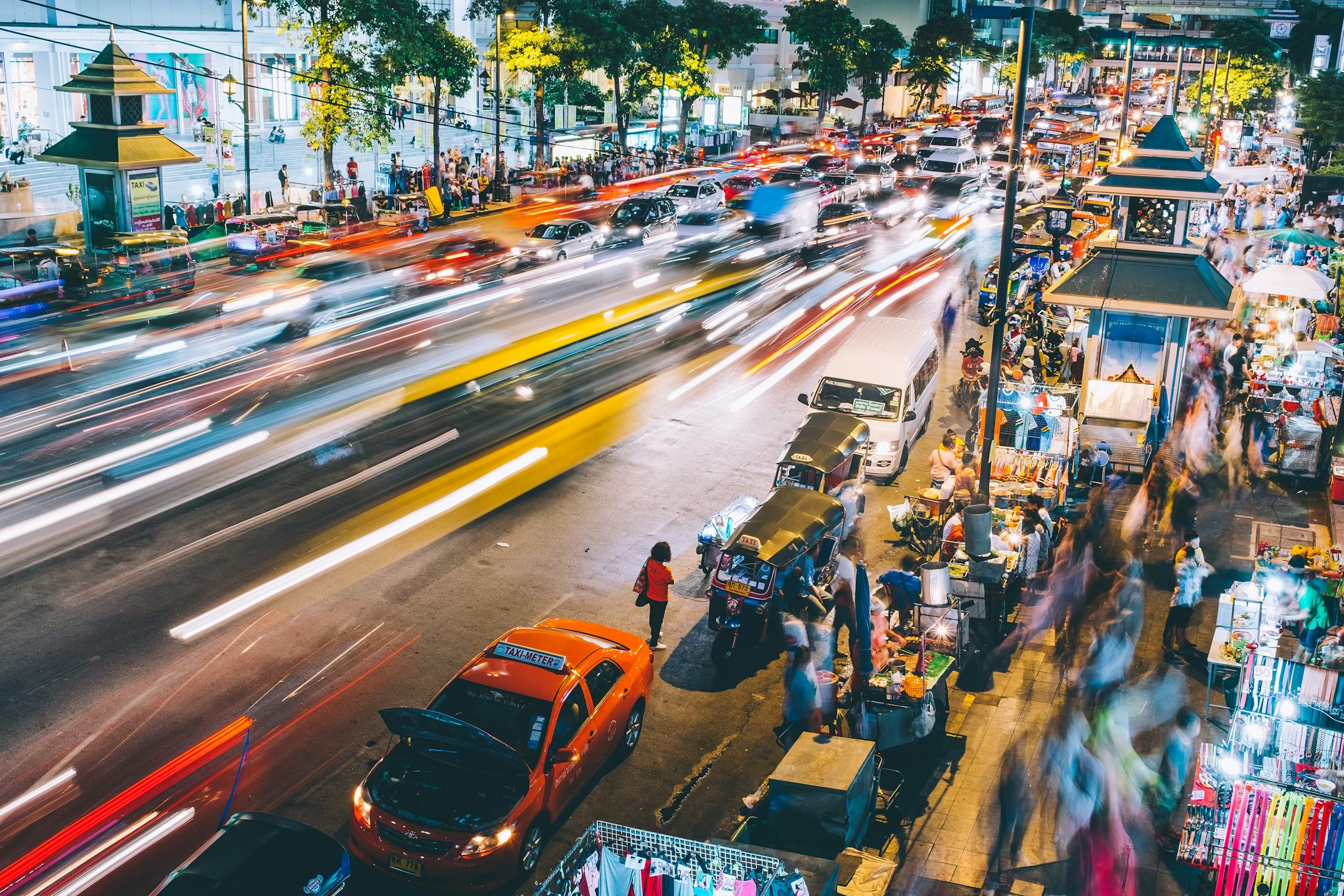
Bangkok is a city where the right transport decision saves two hours a day and the wrong one loses them. The Skytrain and MRT cover the main tourist and expat corridors efficiently. For everything outside those lines, the options are Grab, the river boat, or sitting in traffic.
All fares below are 2026 estimates.
BTS Skytrain
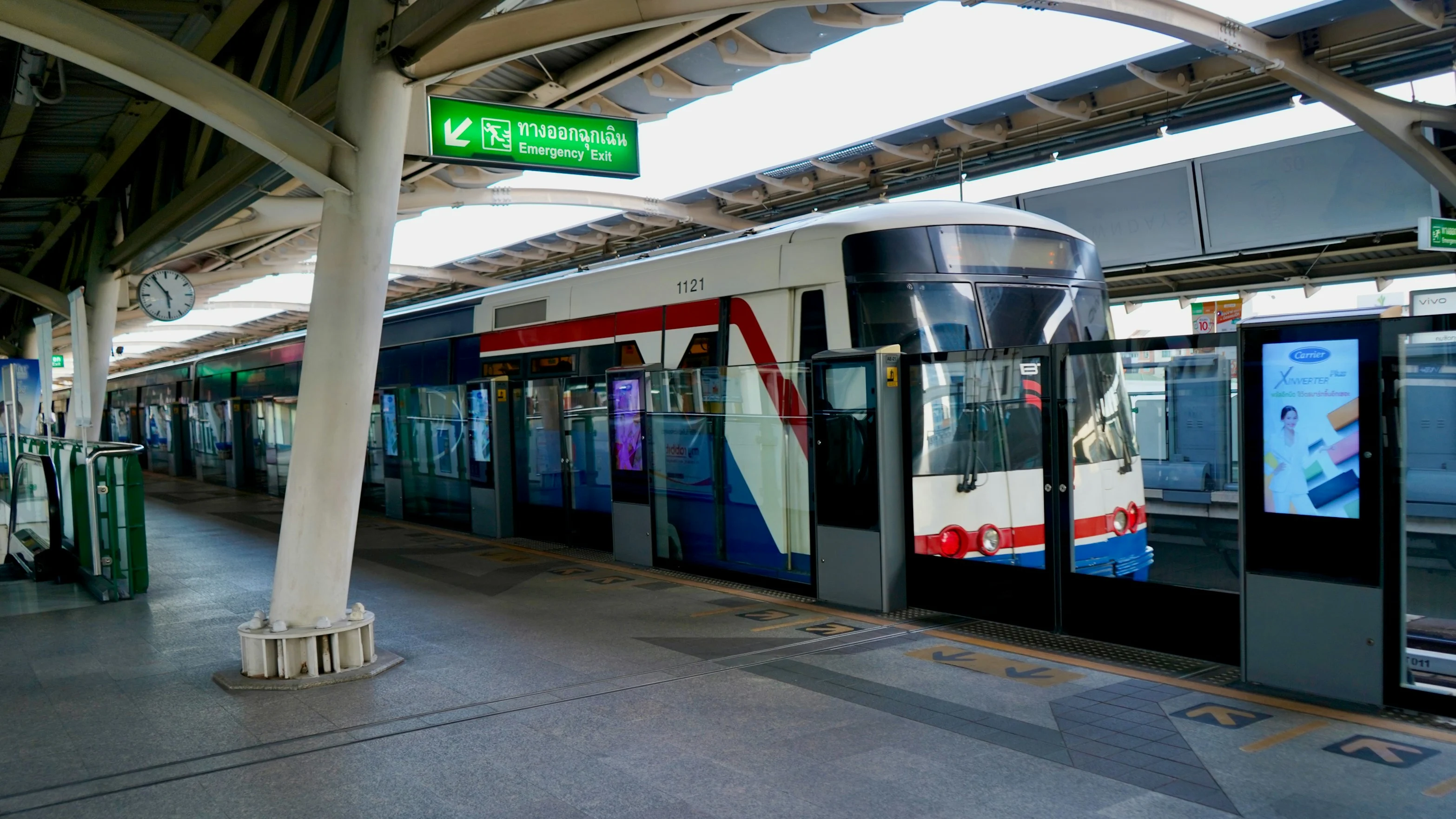
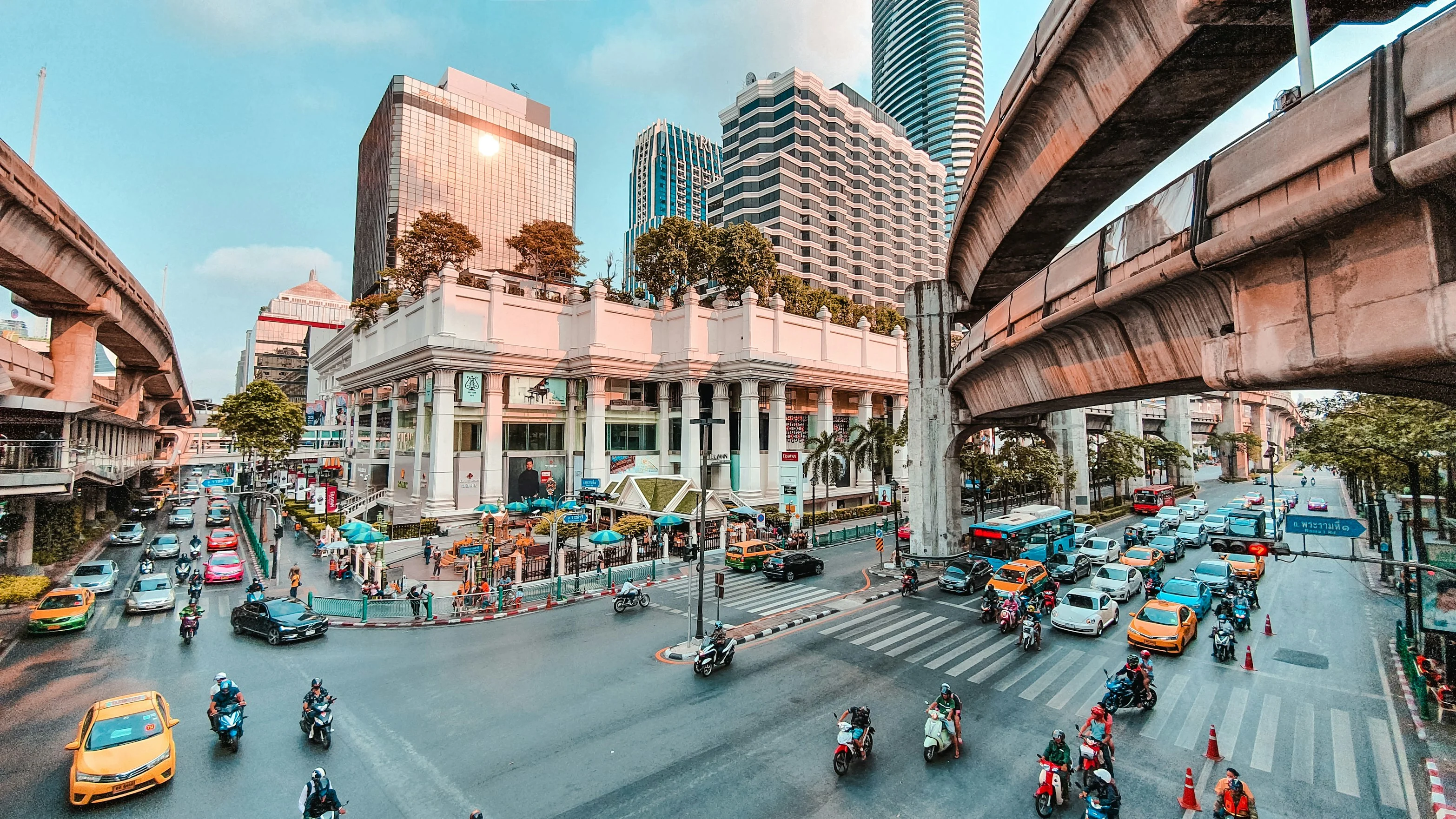
The BTS runs on two lines: the Sukhumvit Line from Mo Chit in the north to Kheha in the east, and the Silom Line from National Stadium to Bang Wa in the west. They intersect at Siam station. Trains run every 3 to 5 minutes during peak hours and every 5 to 8 minutes off-peak. The last train is around 11:30pm on most days.
Single journey fares range from 16 to 59 baht depending on distance. A stored-value Rabbit Card reduces per-trip cost and eliminates the need to queue for tickets. An unlimited monthly pass costs 1,350 baht and covers unlimited rides on both BTS lines. For anyone using the train more than twice a day, the monthly pass pays for itself in under two weeks.
The BTS is the correct answer for any journey between two stations within 3 stops of each other. For longer journeys, combine with the MRT if the route allows, or use Grab if it does not.
MRT Blue Line
The MRT Blue Line runs in a loop connecting Hua Lamphong, Chinatown (Sam Yan and Wang Burapha), Silom (Lumphini), and Bang Sue in the north. It intersects with the BTS at Asok/Sukhumvit station and at Sala Daeng/Si Lom. Single fares run 17 to 42 baht. Stored-value cards are available at any MRT station.
The MRT covers areas the BTS misses, particularly Chinatown, Hua Lamphong, and the northern corridor toward Chatuchak Weekend Market. Mo Chit is BTS; the adjacent Chatuchak Park and Kamphaeng Phet stations are MRT. A combined BTS and MRT monthly pass is not available: each system runs separately.
Grab
Grab is the correct transport choice for any destination not within walking distance of a BTS or MRT station. It is cheaper than taxis in most cases, significantly cheaper than tuk tuks, and uses fixed pricing that eliminates negotiation. The app works across Thailand and drivers are accountable through the platform.
A Grab from central Sukhumvit to the old city (Rattanakosin) costs 120 to 200 baht and takes 30 to 50 minutes depending on traffic. The same trip by taxi on the meter costs 80 to 150 baht but is harder to flag during peak hours. Grab during peak hours (7am to 9am and 5pm to 8pm) adds surge pricing, typically 1.3 to 1.8 times the base fare.
Chao Phraya Express Boat
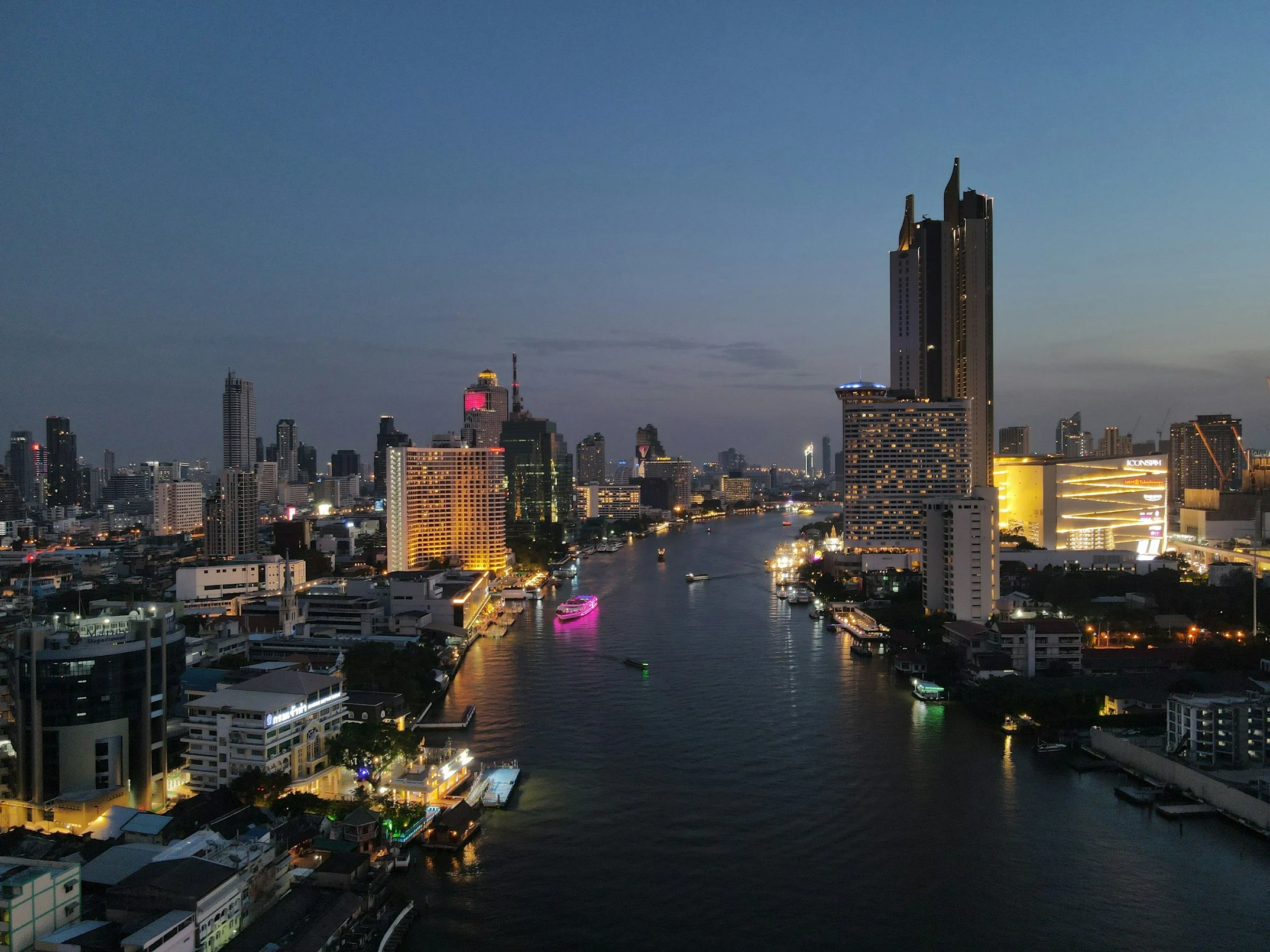
The express boat is the most practical option for travel along the river between the old city and the lower Sukhumvit corridor. The orange-flag boat is the correct one for tourists: it runs the full length of the river and costs 15 baht per journey. The no-flag local boat is faster but skips tourist piers and is harder to navigate on a first visit.
Key piers: Tha Chang (Grand Palace area), Tha Tien (Wat Pho and the ferry to Wat Arun), Saphan Taksin (connects to BTS Saphan Taksin and the Silom Line). The boat runs from around 6am to 7:30pm. It is not an option after dark.
Tuk Tuks
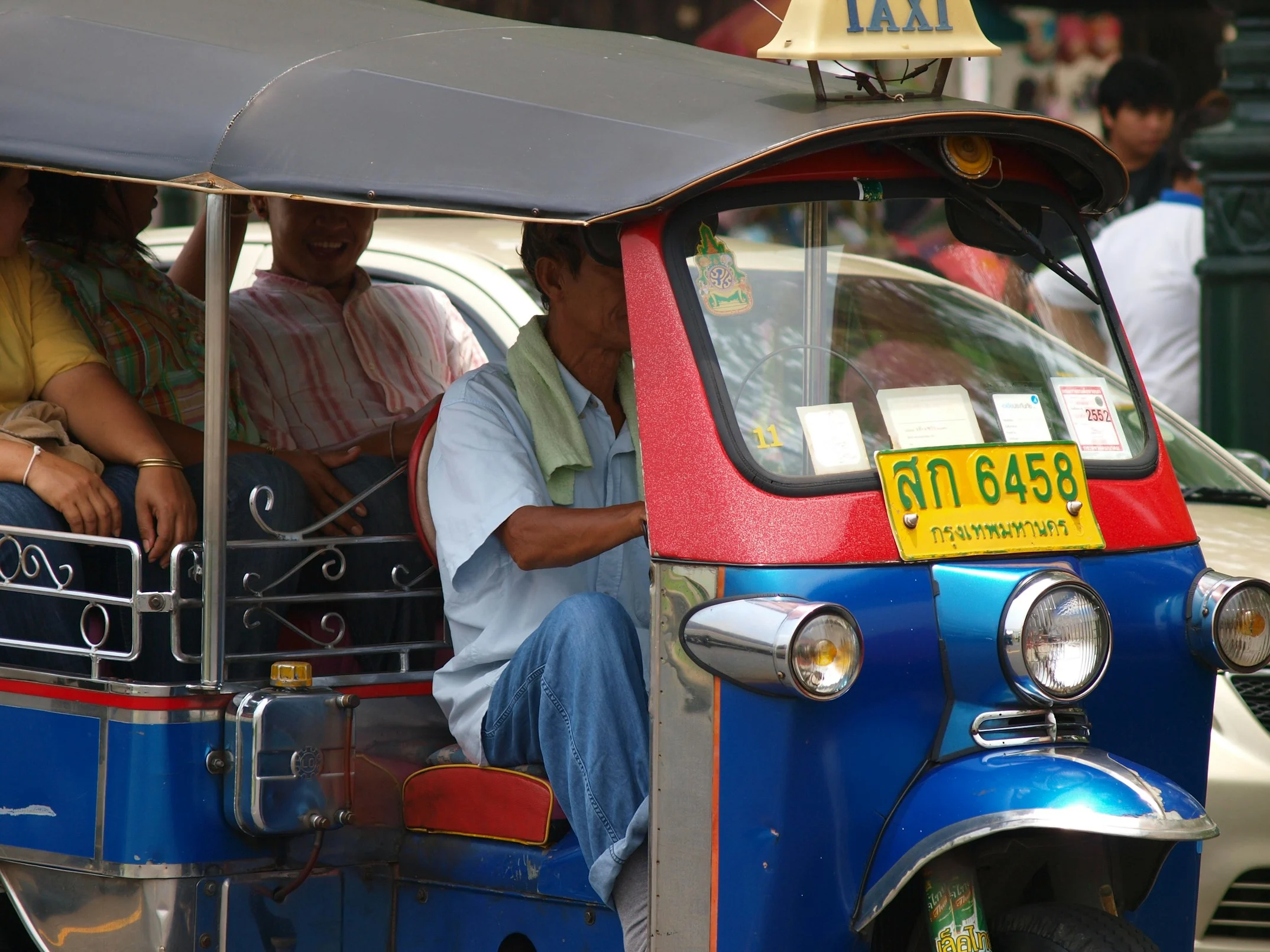
Tuk tuks are a tourist experience, not a transport option. The price is negotiable and almost always higher than a Grab ride covering the same distance. The most common scam involves a driver offering to take you to the Grand Palace when it is "closed for a ceremony" and then routing through a gem shop or tailor before reaching your destination.
Take Grab.
Taxis
Metered taxis in Bangkok are cheap and reliable if you can find one willing to use the meter. The flag fall is 35 baht plus expressway tolls paid by the passenger. During peak hours, many drivers refuse short trips or demand flat rates. Grab solves most of these problems and is the better default during busy periods.
If you do take a street taxi, say "meter, please" immediately after getting in. If the driver refuses, get out and take the next one.
Walking
Bangkok is walkable within individual neighbourhoods but not between them. The heat and humidity make walks over 15 minutes uncomfortable for much of the year. Within Sukhumvit, the elevated walkway connecting major malls from BTS Asok to Phrom Phong reduces street-level exposure significantly.
Most practical walking in Bangkok is from a BTS or MRT station to a destination within 500 metres of it. Plan routes around train exits, not street-level navigation.
Quick Reference
Transport | Best For | Avoid When |
|---|---|---|
BTS Skytrain | Sukhumvit corridor, Silom, Siam | Destinations not near a station |
MRT Blue Line | Chinatown, Hua Lamphong, Chatuchak | Outside the loop coverage area |
Grab | Door-to-door, non-BTS destinations | Peak hours without surge tolerance |
Chao Phraya Boat | Old city to Silom river travel | After 7:30pm |
Taxi | Short off-peak trips near the meter | Peak hours, airport runs |
Tuk tuk | Never | Always |
Where to Go from Here
For choosing which area of Bangkok to stay in based on BTS access and commute profile, the where to stay in Bangkok guide covers Sukhumvit vs Silom vs Ari vs the Riverside with honest transport notes for each. For travel beyond Bangkok, the day trips from Bangkok guide covers the best options by transport method and journey time. For what things cost once you are moving around the city, the cost of living in Bangkok guide covers transport as part of a full monthly budget breakdown.