Koh Lanta is one of the few Thai islands that still has a genuine off-season slowdown. From November to April it is a fully functioning beach destination with good restaurants and reliable transport. The rest of the year the island runs at reduced capacity and some businesses close.
What Koh Lanta is
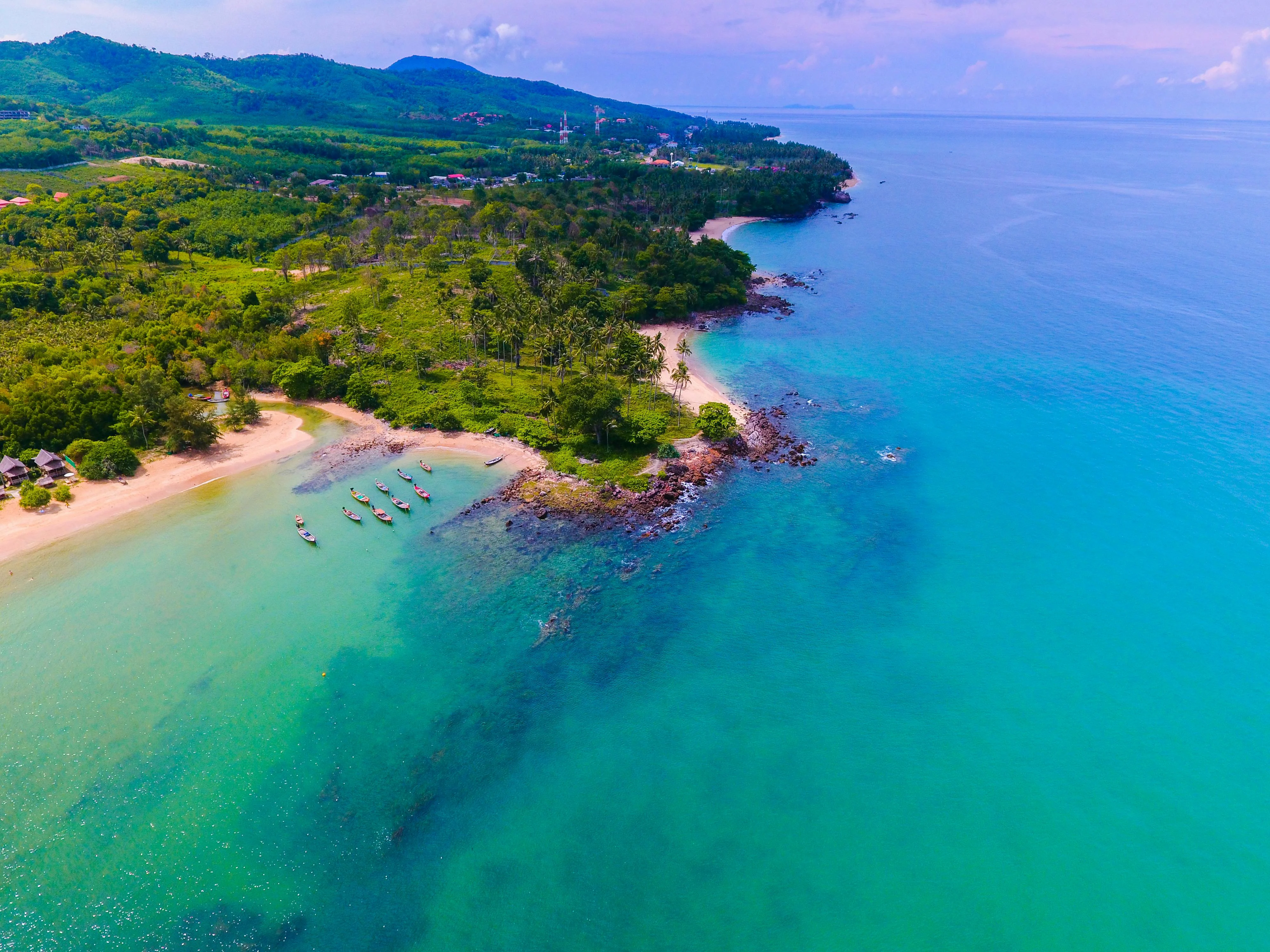
Koh Lanta Yai is a long, narrow island in the Andaman Sea south of Krabi. It sits between the busy chaos of Phuket and Phi Phi on one side and the wilder islands of Koh Ngai and the Trang archipelago on the other. The western coast has seven or eight beaches strung along 25 kilometres of coast road. The eastern side faces the mainland across sheltered water and holds the island's Old Town.
The character is different from Koh Samui or Phuket. There is less development, fewer high-rise hotels, and a pace that moves slowly even at the height of the season. The sea nomad (Chao Ley) community has lived on the island for generations and their presence gives Koh Lanta a cultural layer that purely tourist islands lack.
When to visit
Season | Months | Weather | Crowd level | Verdict |
|---|---|---|---|---|
☀️ High season | Nov to Feb | Dry, calm seas | Busy | Best time to visit |
🌤️ Shoulder | Mar to Apr | Still dry, warmer | Quieter | Good with lower prices |
🌧️ Low season | May to Oct | Wet, rough seas | Very quiet | Some businesses closed |
December and January are the busiest and most expensive months. February and March are the sweet spot — good weather, fewer tourists, and marginally lower prices. May to October sees many businesses close, the Phi Phi ferry stop running, and the island operate at a fraction of its capacity. For digital nomads on longer stays, the low season quiet can be a feature rather than a problem.
Getting there
The main route is by minivan from Krabi Airport, around 2 hours. This includes two short crossings on flat-bottomed vehicle ferries that run continuously during daytime hours but stop around 10pm. If you arrive late, you wait for the morning crossing.
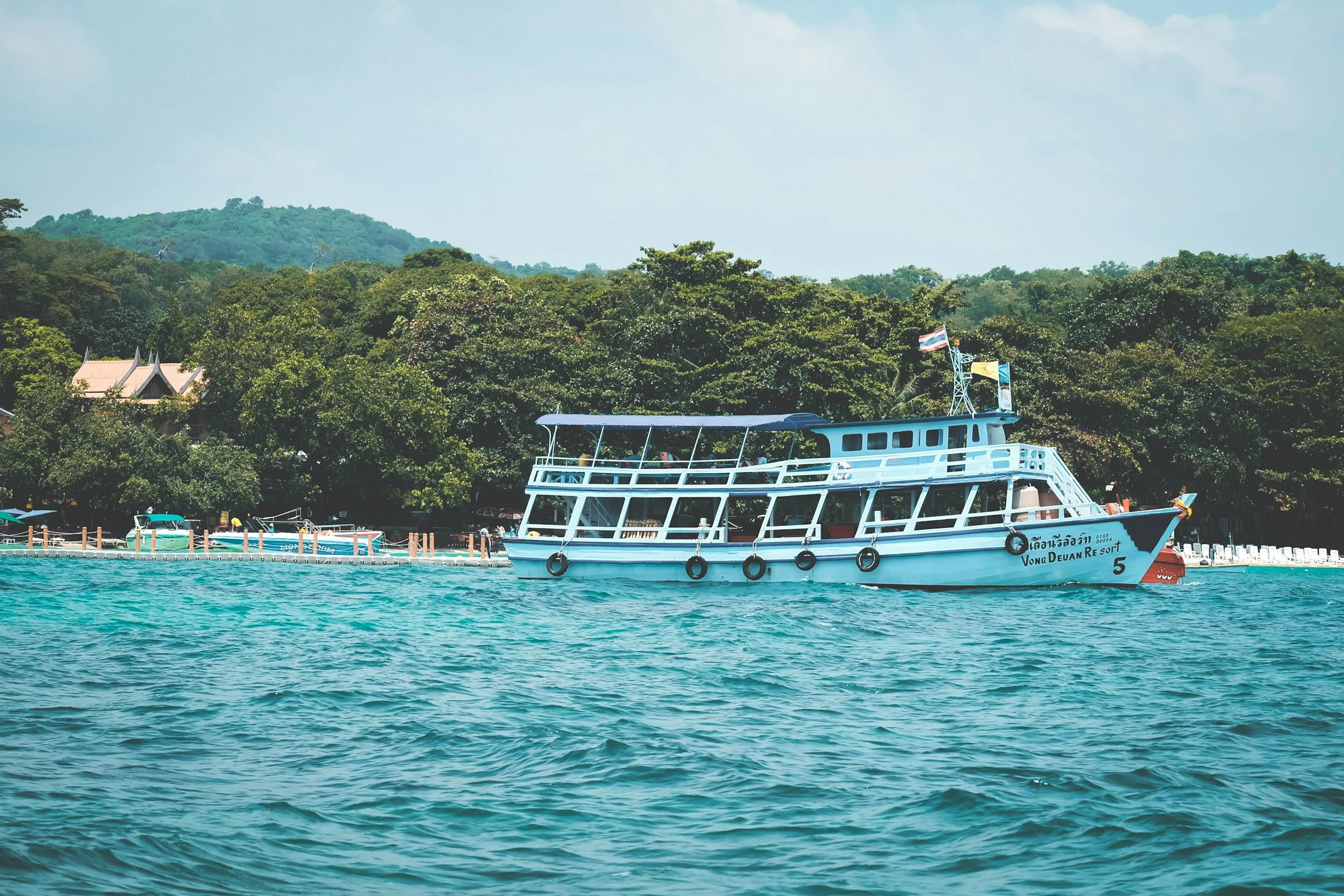
Direct ferries from Phi Phi Island and Ao Nang operate during high season only and take around 1.5 to 2 hours. These are the scenic option and popular with travellers combining Phi Phi and Koh Lanta in one trip. For the full breakdown of routes, timings, and current prices, read the guide to getting to Koh Lanta.
Getting around
The main road runs along the west coast and connects all the main beaches. Motorbike rental is the standard option at 200 to 350 baht per day or around 1,500 to 2,000 baht per week. The road is in reasonable condition but has sections of rough tarmac and blind corners, particularly in the south. Drive with attention at night.
Songthaews run between the main beaches but infrequently and mainly for locals. Taxis are available from the pier area and most hotels. For a week-long stay, a motorbike at the weekly rate is the most economical and flexible approach.
The beaches
Beach | Vibe | Best for | Facilities |
|---|---|---|---|
🏖️ Klong Dao | Wide, calm, family-friendly | Families, couples | Hotels, restaurants, shallow water |
🌊 Long Beach (Hat Phra Ae) | Lively, characterful | Independent travellers | Bars, guesthouses, good atmosphere |
🤫 Klong Nin | Quieter, fewer crowds | Anyone wanting space | Limited but improving |
🪨 Klong Hin | Remote feel, rocky sections | Snorkelling, escape | Very few amenities |
🌅 Tanod Cape (south) | Dramatic, empty | Reef diving, scenery | Lighthouse, almost no facilities |
Klong Dao is 3 kilometres long with shallow water, backed by a concentration of mid-range hotels and restaurants. Long Beach is the most popular with independent travellers — longer, more characterful, and with a good strip of bars and guesthouses behind the sand. The southern beaches near Tanod Cape are largely empty outside peak season and the reef diving there is some of the best accessible from the island without a dedicated boat trip. For the full beach breakdown, read the Koh Lanta beaches guide.
Old Town
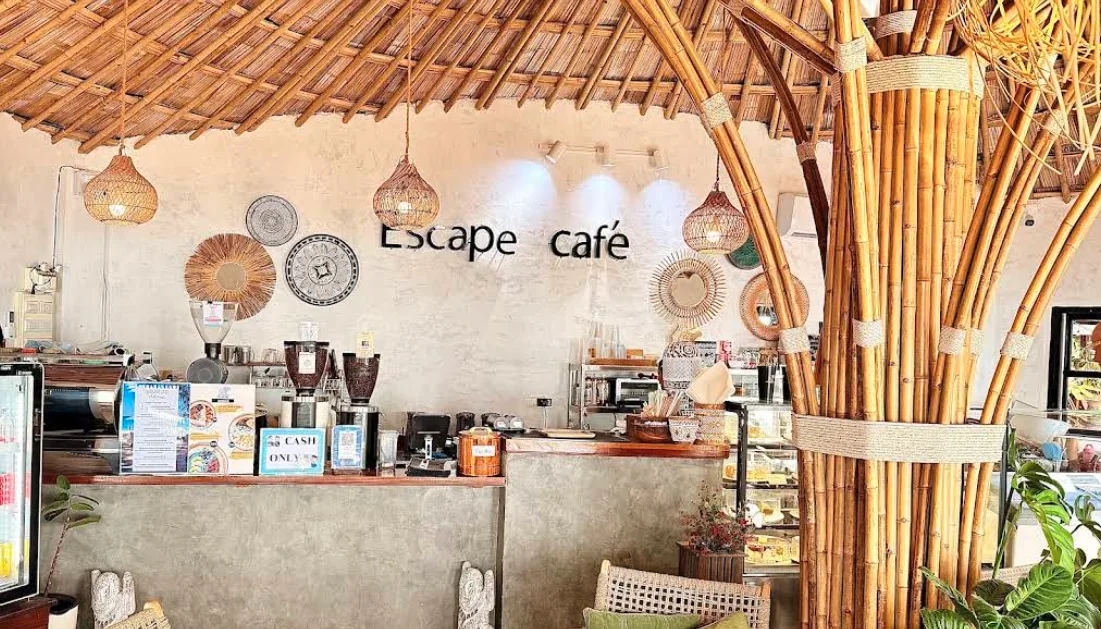
Koh Lanta Old Town (Ban Ko Lanta) is on the eastern coast and is the island's original settlement. A row of stilted wooden shophouses runs along the waterfront, most of them a century or more old. Several have been converted into cafes, galleries, and guesthouses that are more interesting than anything on the tourist beach strip.
Old Town is worth an afternoon even if you are spending your week on the west coast beaches. The wooden boardwalk along the waterfront, the sea views east toward the mainland, and the genuinely old architecture make it the most distinctive part of the island. It is also where you find the best and cheapest food.
Food and eating
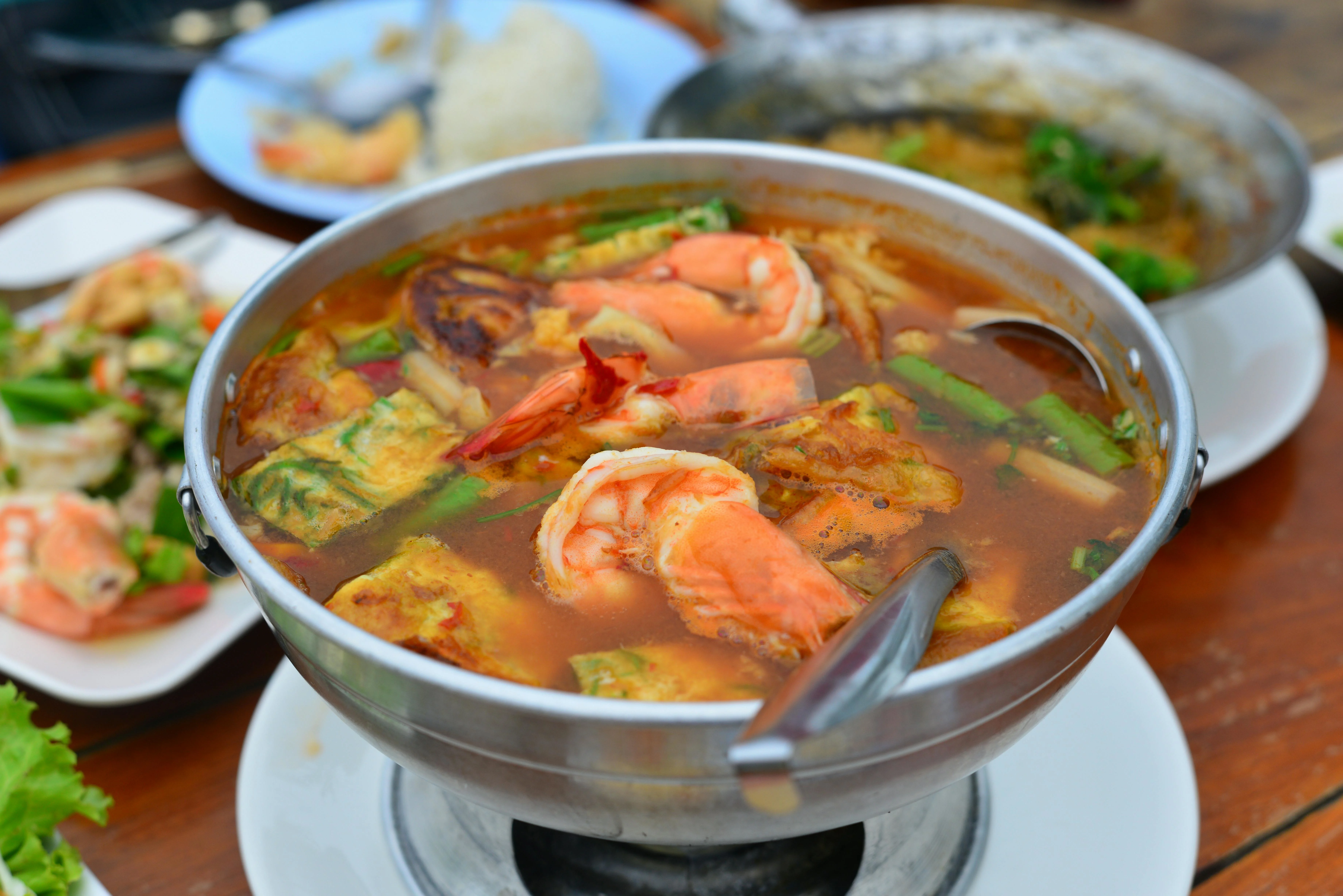
Old Town has the best food on the island at the lowest prices. Shophouse restaurants cook fresh seafood and Thai food for a mix of locals and knowing visitors. The beach strips along Long Beach and Klong Dao have more options but higher tourist pricing. A morning market near the main Saladan intersection runs until around 10am and is the best place for cheap local breakfast.
For the full food picture including specific restaurants and what to order, read the Koh Lanta food guide.
For digital nomads and long stays
KoHub is Koh Lanta's dedicated coworking space and operates during high season only, roughly November to April. It is one of the best-regarded coworking spaces in Thailand and builds a strong seasonal community of nomads each year. Monthly memberships cost around 6,000 baht.
Monthly living costs for a nomad in high season average 20,000 to 25,000 baht including accommodation, food, and coworking. In low season the costs drop significantly but so does the community and available infrastructure. For the full nomad picture, read the Koh Lanta digital nomad guide and the Koh Lanta long-stay guide.
Where to stay
Budget | Price per night | What you get |
|---|---|---|
💰 Budget | 600 to 800 baht | Bungalows on Long Beach, fan or basic A/C |
🏨 Mid-range | 1,200 to 2,500 baht | Hotels on Klong Dao, pool, breakfast included |
🏡 Boutique | 1,500 to 3,000 baht | Old Town properties, character, quieter location |
There are no large international chain hotels on the island. Most accommodation is locally owned and the quality varies significantly between properties at similar price points. For picks by beach and budget with honest notes, read the Koh Lanta hotel guide.
Where to go from here
Koh Lanta is often combined with Krabi, Phi Phi, or the Trang islands as part of a wider Andaman coast trip. These guides cover the decisions you will face before and after.
For getting there: the getting to Koh Lanta guide covers every route from Bangkok, Krabi Airport, Phi Phi, and Ao Nang with current timings and prices.
For the beaches in detail: the Koh Lanta beaches guide covers every beach on the west coast with honest notes on what each suits.
For where to stay: the Koh Lanta hotel guide covers budget to boutique picks by beach with real WiFi speeds and booking links.
For eating: the Koh Lanta food guide covers Old Town, the beach strip restaurants, and the morning market.
For nomads staying longer: the Koh Lanta digital nomad guide covers KoHub, monthly costs, and what the community looks like each season.