Koh Lanta works for long stays during high season in a way very few Thai islands do. The combination of KoHub, affordable accommodation off the tourist strip, and a genuinely manageable pace makes it one of the best island bases in Southeast Asia from November to April. Outside that window the calculation changes significantly.
Monthly cost summary
Scenario | Monthly cost | What it covers |
|---|---|---|
🏕️ Budget | 15,000 to 20,000 baht | Basic A/C bungalow, local food, motorbike rental |
🏠 Comfortable | 22,000 to 32,000 baht | Decent bungalow, mixed eating, KoHub membership |
🏡 Long-stay with villa | 35,000 to 50,000 baht | Private villa with kitchen, restaurant meals, coworking |
Figures are for a single person in mid-season. December to January adds 30 to 50 percent to accommodation costs and monthly rates become harder to negotiate.
The appeal and the trade-off
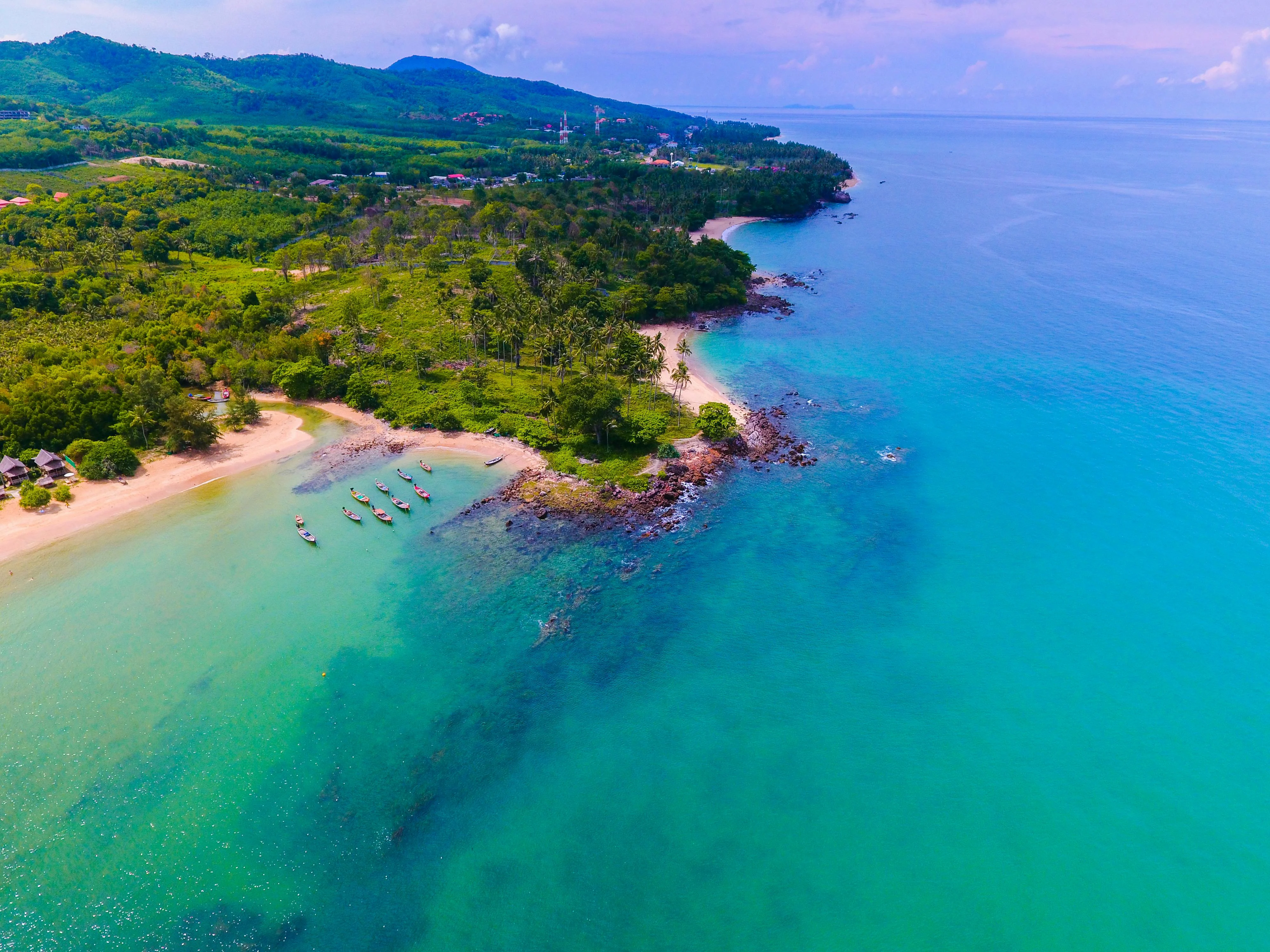
Koh Lanta attracts long-stay travellers who want island life without Bali prices or Phuket tourist density. The west coast beaches are accessible, the atmosphere is laid-back, and monthly costs in high season are reasonable for Southeast Asia. Outside of high season the island operates at reduced capacity and that is the central trade-off anyone considering a long stay needs to understand.
For a 1 to 4-month stay during high season, Koh Lanta delivers well. For anyone considering staying through the wet season, plan for closed restaurants, occasional connectivity issues, and a noticeably smaller social circle. Some long-stayers actively prefer this.
Monthly accommodation costs
Negotiating a monthly rate rather than paying nightly is the key to affordable long stays. Most guesthouse and bungalow owners on Long Beach and Klong Dao will discount to monthly rates, particularly outside peak months. Monthly rates are not advertised, ask directly.
Accommodation type | Monthly rate (mid-season) | Monthly rate (Dec to Jan peak) |
|---|---|---|
Basic fan bungalow near beach | 5,000 to 8,000 baht | 8,000 to 12,000 baht |
A/C bungalow with WiFi | 9,000 to 14,000 baht | 13,000 to 20,000 baht |
Modern A/C bungalow with kitchen | 15,000 to 25,000 baht | 20,000 to 40,000 baht |
Serviced apartments and longer-term rental options are fewer on Koh Lanta than in Chiang Mai or Bangkok. The accommodation market is primarily guesthouses and resort bungalows rather than apartment blocks. The best long-term deals are found by walking the island and talking to property owners directly in early May, when high season prices have just ended and landlords are actively seeking tenants for the quiet months. Facebook groups for Koh Lanta expats and long-stay visitors list available rentals updated regularly, many of the best options never appear on booking platforms.
Coworking: KoHub
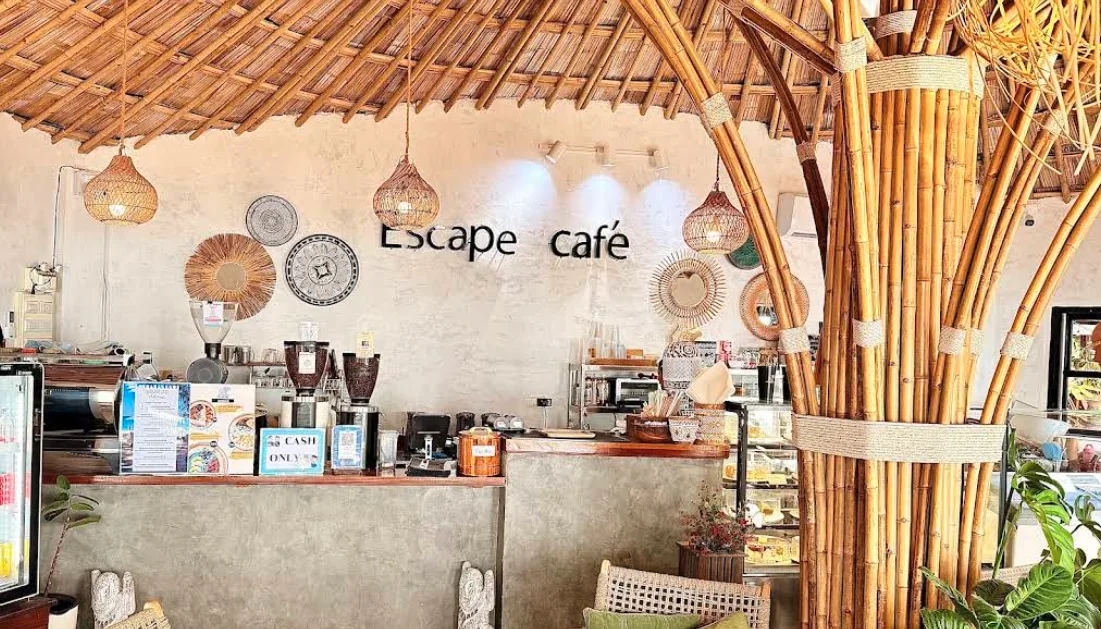
KoHub is open from November 1 to April 30 each season. It is the anchor of the Koh Lanta nomad community and one of the most consistently well-reviewed coworking spaces in Southeast Asia. Internet speeds consistently exceed 200 Mbps and KoHub has backup generators so power outages on the island do not affect connectivity. The on-site cafe delivers food to your desk at 100 to 200 baht per meal.
KoHub membership | Price |
|---|---|
Day pass | 400 baht |
Week pass | 2,000 baht |
2-week pass | 3,600 baht |
Month pass | 6,500 baht |
2-month pass | 11,500 baht |
3-month pass | 16,000 baht (4,500/month) |
After 2 or 3 months, the effective rate drops to 4,500 baht per month. For anyone planning a full season stay, the 3-month pass is the most cost-effective option. During peak months of January to March, private Skype rooms are reserved for members on week passes or longer.
Food budget
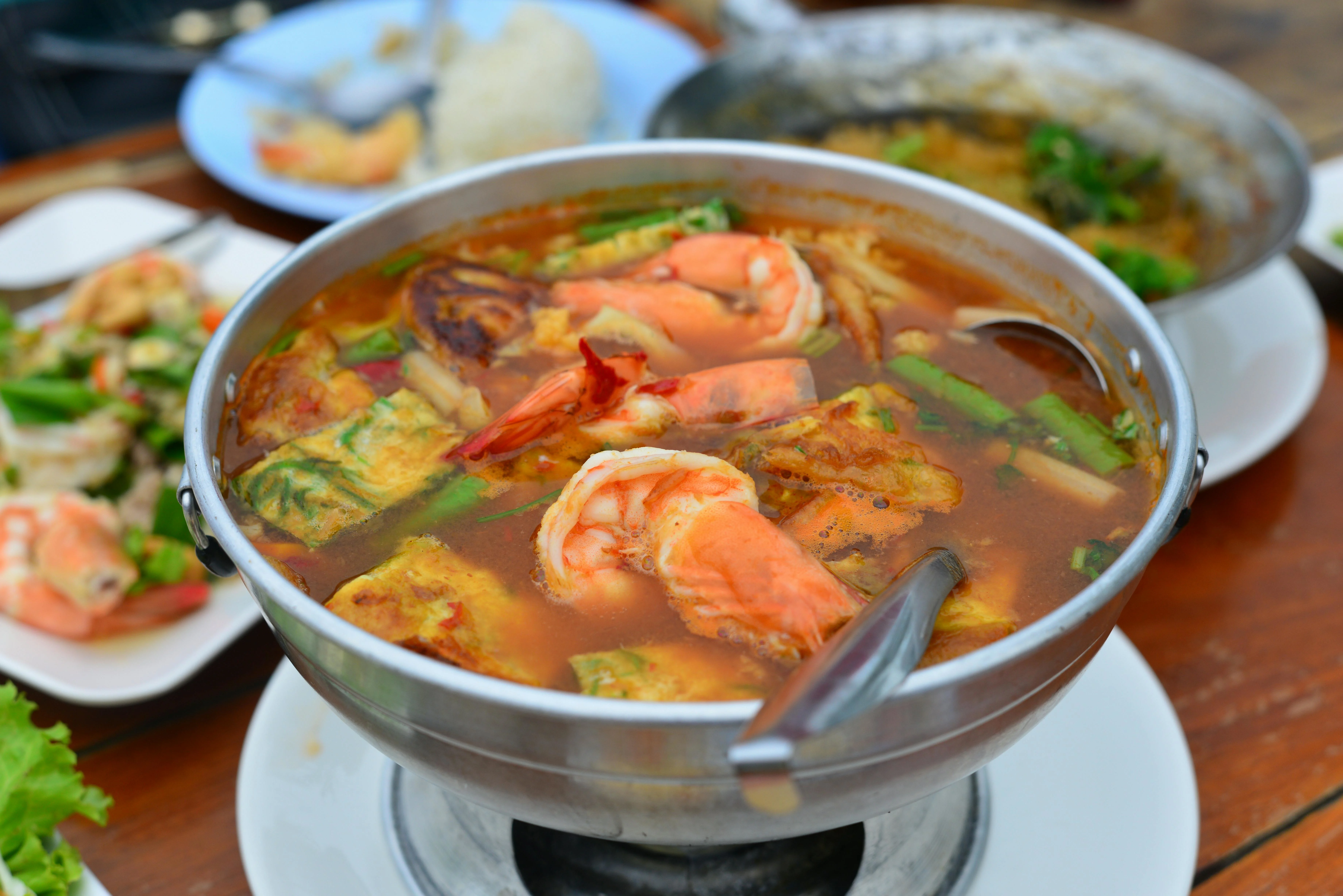
Eating entirely at local Thai spots and the morning market keeps food costs under 5,000 baht per month. Mixing local food with occasional beach restaurant meals and weekly Old Town trips runs 6,000 to 8,000 baht. Eating primarily at tourist restaurants on the beach strip can push food costs to 12,000 to 15,000 baht monthly.
Cooking is possible but requires accommodation with kitchen access. These exist but are fewer than in dedicated expat cities. The local market in Saladan has fresh produce and basic ingredients. For anything imported or more varied, a trip to Krabi is needed, there is no large supermarket on the island.
Transport
Monthly motorbike rental runs 3,000 to 4,500 baht for a standard automatic scooter. This is the most practical transport option for most long-stayers. Fuel costs for island-only travel average 500 to 800 baht per month. Buying a second-hand motorbike is theoretically possible but registering as a foreigner and reselling when you leave adds complications, monthly rental is simpler.
Internet
KoHub runs 1 Gbps fibre and has indoor A/C rooms, outdoor garden desks, and Skype rooms. True Move fibre is available in most accommodation along the main west coast road with speeds of 100 to 300 Mbps in modern condos and guesthouses. Power cuts occur more frequently than in Bangkok or Chiang Mai, typically 2 to 4 times per month during rainy season. A UPS for your laptop and a local SIM as a backup hotspot handles this practically.
Visas for long stays
The DTV (Destination Thailand Visa) is the most practical option for most long-stayers in 2026. It costs 10,000 baht, allows 180-day stays per entry over a 5-year period, and requires proof of 500,000 baht in savings. This removes the need for border runs entirely for stays up to 180 days. The LTR visa covers 10 years but requires USD 80,000 in annual income, which rules out most freelancers. Read the Thailand visa guide for the full comparison.
What Koh Lanta is missing for long stays
There is no large supermarket on the island. A Tesco Lotus mini-mart exists in Saladan but selection is limited, serious shopping requires a trip to Krabi. International goods are expensive and limited. There is no international school on the island. Medical care for anything beyond basic treatment requires Krabi or Phuket. These are real limitations for families or anyone with specific healthcare needs.
Where to go from here
For the full destination picture: the Koh Lanta travel guide covers beaches, getting there, and what the island is actually like beyond the long-stay logistics.
For visa options: the Thailand visa guide covers the DTV, LTR, and every other long-stay route with current requirements for 2026.
For comparing island options: the best cities to live in Thailand guide covers how Koh Lanta compares to Chiang Mai, Bangkok, and Phuket as a long-term base.
For the cost of living picture across Thailand: the Thailand cost of living guide covers monthly figures at three spending levels across every major expat city and island.