Sending Money to Thailand 2026: The Cheapest and Fastest Way
Your bank will tell you it can send money to Thailand. It will not tell you it is charging you 3 to 6 percent above the mid-market exchange rate to do it. On a $5,000 transfer, that gap is $150 to $300 quietly removed from what arrives in your Thai account. On a monthly basis for an expat funding their retirement, it adds up to thousands of dollars a year.
The transfer services in this guide charge between 0.4 and 1.5 percent. Here is which one to use and when.
Why Bank Transfers Cost So Much
Banks make most of their international transfer profit not on the visible fee but on the exchange rate. A bank offering a "free transfer" to Thailand is charging you through an exchange rate that sits 2 to 5 percent below the real mid-market rate. The mid-market rate is the rate shown on Google or XE.com. The rate your bank offers is not that rate.
Transfer services like Wise use the mid-market rate and charge a transparent percentage fee on top. The total cost is visible before you confirm. With your bank, the total cost is only apparent when you check what arrived.
Quick Comparison by Transfer Size
Transfer Size | Best Option | Approximate Total Cost |
|---|---|---|
Under $1,000 | Wise or Remitly | 0.5–1.5% of transfer |
$1,000–$10,000 | Wise or Revolut | 0.4–0.7% of transfer |
$10,000–$100,000 | OFX | 0.4–0.6% of transfer |
Over $100,000 | Currency broker | Quoted live spread |
Need cash pickup | Western Union or Remitly | Higher, varies by amount |
Your bank | Last resort | 3–6% of transfer |
Wise: Best for Most Transfers Under $10,000
Wise uses the mid-market exchange rate with a transparent fee starting from around 0.4 percent of the transfer amount for bank-funded transfers. There are no hidden markups in the exchange rate. The fee you see before confirming is the total cost.
Transfers from most Western countries to Thailand arrive in 1 to 2 business days via SWIFT to a Thai bank account. For transfers paid by debit card, delivery is typically faster. The maximum per wire transfer is $1,000,000 with an automatic discount applied above $25,000.
Best for: Regular monthly transfers to fund Thai living expenses, retirement visa bank balance top-ups, transfers up to $10,000 where the mid-market rate and full transparency matter most.
SWIFT codes for major Thai banks:
Bangkok Bank: BKKBTHBK
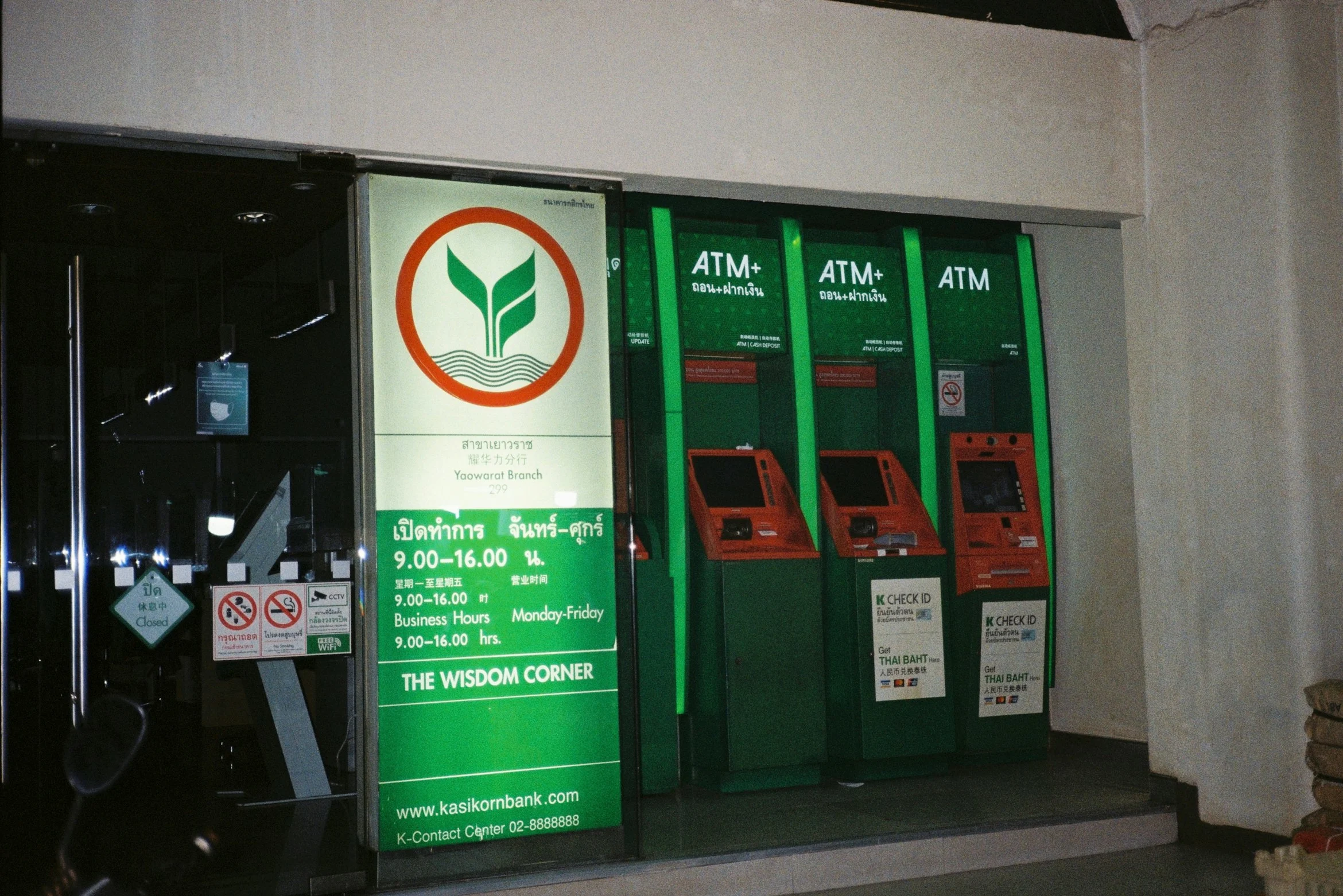
Kasikorn Bank (KBank): KASITHBK
SCB (Siam Commercial Bank): SICOTHBK
Krungsri (Bank of Ayudhya): AYUDTHBK
OFX: Best for Larger Transfers Over $10,000
OFX is a well-established international transfer service that handles larger amounts with no maximum transfer limit. The all-in cost for transfers over $10,000 equivalent typically runs 0.4 to 0.6 percent, making it more cost-effective than Wise at higher amounts. There are no flat transaction fees on larger transfers. OFX also provides FX management tools for expats who want to time transfers around exchange rate movements.
Transfers typically take 1 to 2 business days. OFX has a dedicated helpline available 24 hours which matters when you are sending a large sum and want to speak to someone.
Best for: Large lump-sum transfers such as property purchases in Thailand, retirement visa bank balance deposits, or any single transfer above $10,000 where shaving the exchange rate margin produces meaningful savings.
Revolut: Best If You Already Have an Account
Revolut offers free international transfers within your plan's monthly limit. The standard free plan includes a cap on fee-free transfers; paid plans (Plus, Premium, Metal) increase or remove this limit. The exchange rate uses the interbank rate on weekdays with a small markup applied on weekends.
If you are already a Revolut user, it is convenient and cost-effective for regular Thailand transfers within your plan limits. If you are not already a Revolut user, Wise is typically more transparent and easier to start with.
Best for: Existing Revolut users, transfers within monthly plan limits, people who want banking and transfers in one app.
Remitly: Best for Smaller or Urgent Transfers
Remitly offers two speed options: Economy (lower cost, 3 to 5 business days) and Express (faster, higher cost). For small amounts, Express transfers can arrive in minutes. Remitly waives fees on transfers over $500 paid by bank account, though it adds a markup to the exchange rate regardless.
Remitly is particularly useful when the recipient needs funds quickly and cannot wait for a standard 1 to 2 day bank transfer. The exchange rate markup makes it less competitive than Wise for large or regular transfers.
Best for: Urgent smaller transfers, first-time transfers (promotional fee waivers typically apply), transfers where delivery speed matters more than minimising exchange rate cost.
Western Union and MoneyGram: When Cash Pickup Matters
Western Union and MoneyGram are significantly more expensive than the services above for bank-to-bank transfers. Their advantage is cash pickup. If the recipient in Thailand needs cash in hand at a physical location rather than a bank deposit, these services have a wide network across Thailand.
For expats sending to their own Thai bank account, there is no scenario where Western Union or MoneyGram is the right choice on cost. For one-off transfers where cash pickup is the only option for the recipient, they are the practical answer.
What to Avoid
Your home bank's international wire transfer: The combination of a flat wire transfer fee (typically $25 to $45) and an exchange rate markup of 2 to 5 percent makes bank wires the most expensive option for almost every transfer size. The rate your bank quotes is not the mid-market rate.
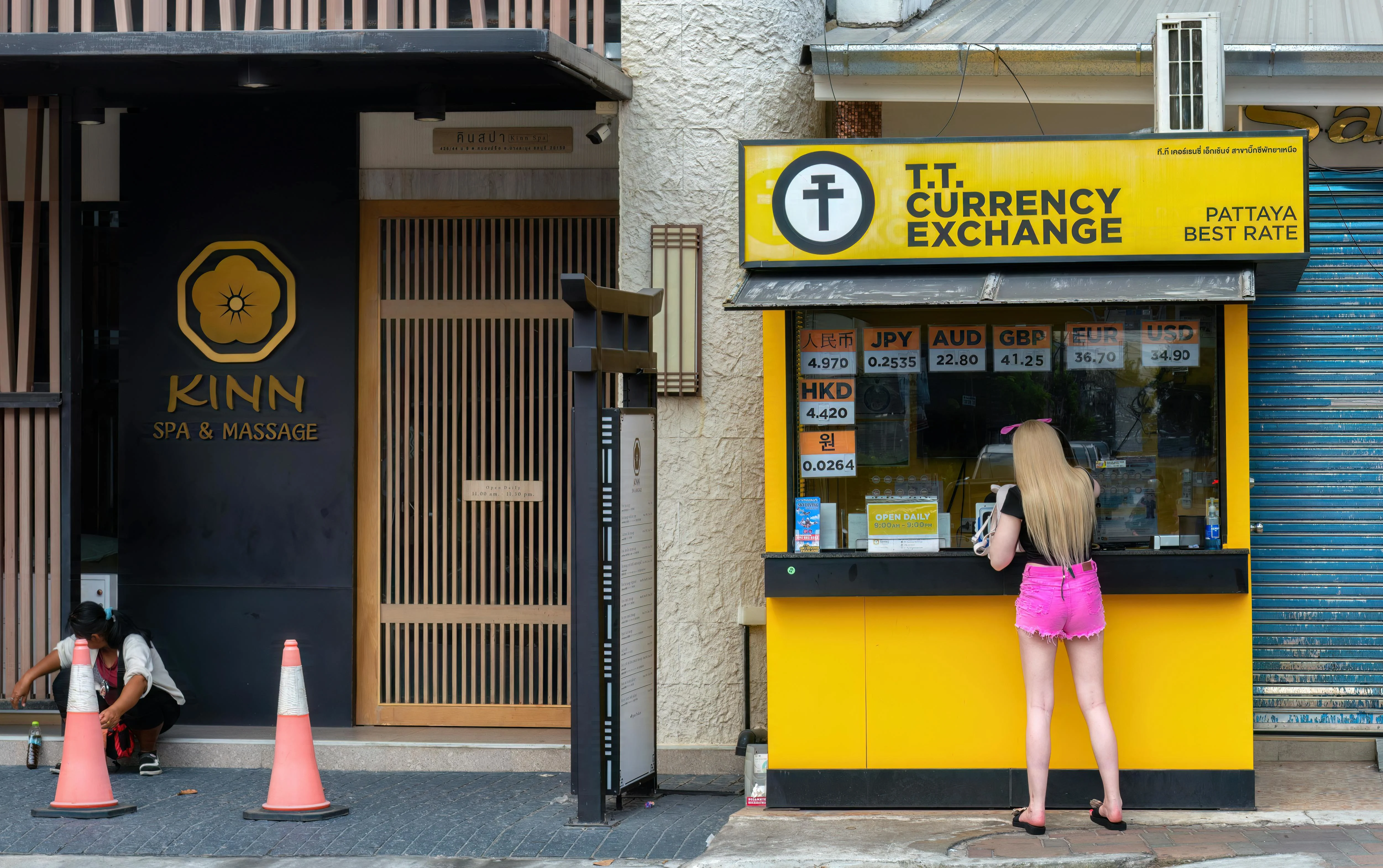
Currency exchange at airports or exchange booths: Airport exchanges typically sit 8 to 12 percent below the mid-market rate. Kiosks and booth exchanges in tourist areas similarly. Withdrawing baht from a Thai ATM using a Wise, Revolut, or Charles Schwab card is consistently cheaper than exchanging cash before you travel.
Dynamic Currency Conversion (DCC): If a Thai ATM or merchant offers to charge you in your home currency rather than Thai baht, always decline. DCC adds 3 to 8 percent above the standard exchange rate. Always choose Thai baht.
For Expats Funding Retirement Visa Requirements
The retirement visa bank deposit of 800,000 baht requires a Thai bank account in your name. The most cost-effective way to fund it from overseas is a Wise transfer for amounts under $25,000 USD equivalent, or OFX for larger lump sums. Both transfer to your Thai bank account SWIFT code with the mid-market rate and transparent fees.
For guidance on opening the Thai bank account to receive the transfer: How to Open a Bank Account in Thailand as a Foreigner 2026.
Where to Go from Here
For the best cards to use for spending and ATM withdrawals once you are in Thailand: Best Cards to Use in Thailand 2026.
For opening a Thai bank account to receive transfers: How to Open a Bank Account in Thailand as a Foreigner 2026.
For the full banking guide for foreigners in Thailand: Open a Bank Account in Thailand as a Foreigner.