Chiang Mai Travel and Expat Guide 2026: What It Actually Looks Like
Chiang Mai is the third-largest city in Thailand and nothing about it feels like it. Tall buildings are outlawed in the city centre, the streets rarely feel crowded, and the noise and light pollution that define most Asian cities at this scale are almost completely absent. That combination of genuine city infrastructure with small-town rhythm is why it draws more long-stay visitors than anywhere else in Southeast Asia.
It is not a perfect city. Burning season runs from mid-January through April and the air quality during peak weeks is genuinely dangerous. The gap between Nimman and the Old City is wider than most guides suggest. Getting the neighbourhood wrong costs you the whole stay.
This page covers what Chiang Mai actually costs, which neighbourhood suits which type of stay, what the food and coworking scenes look like, how to get around, and what the city is like to live in month to month. Every section links to a deeper cluster. Read what applies to you, then follow the link.
The neighbourhoods
The neighbourhood decision is the most important one you will make in Chiang Mai. A 10-minute Grab separates Nimman from the Old City, but they operate at completely different speeds and serve completely different purposes.
Nimman
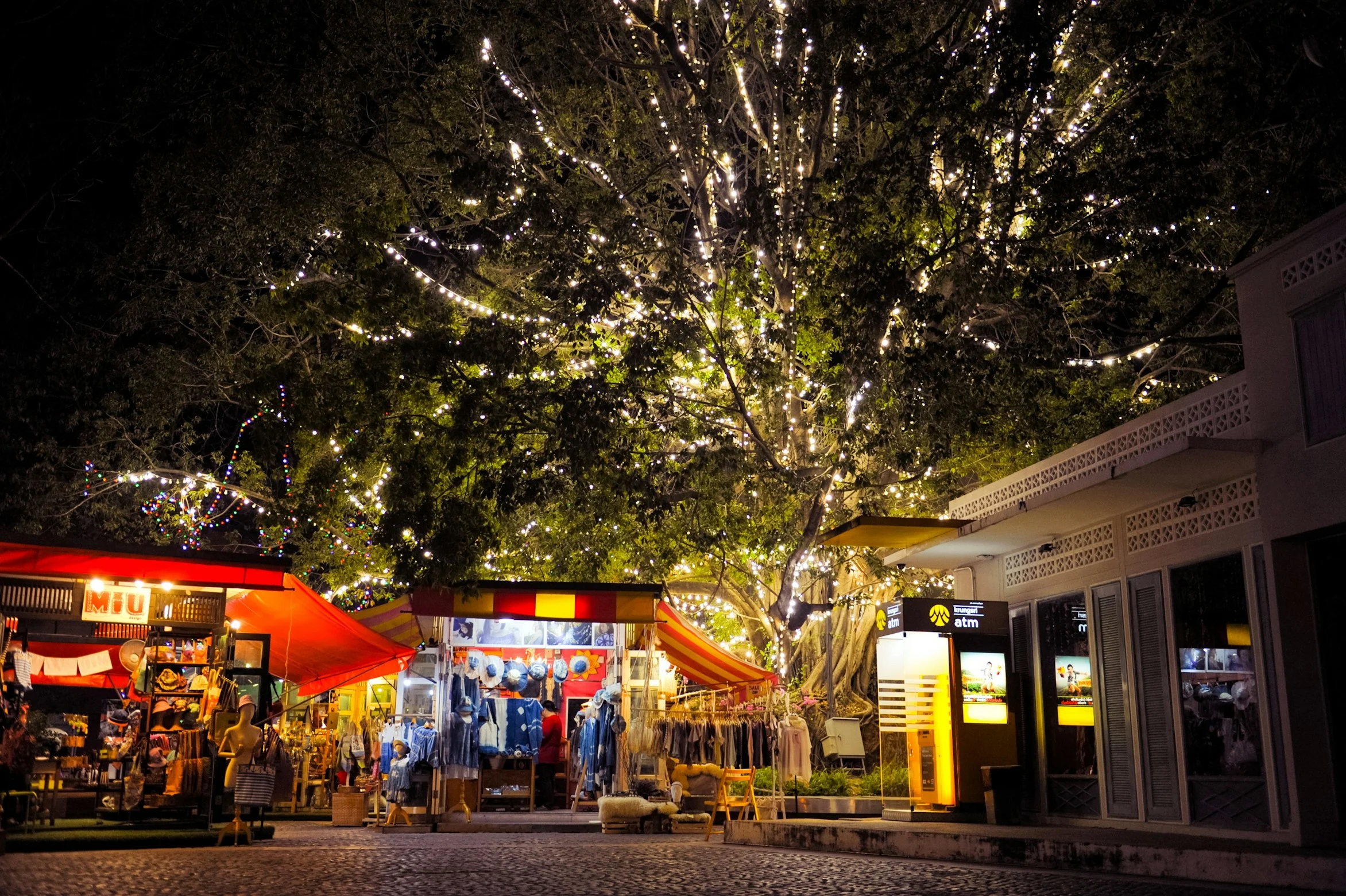
Nimman is where most long-stay visitors end up. It has an absurd density of coffee shops, modern condos with pool and gym, coworking spaces, and a walkable street grid that makes daily life genuinely easy. WiFi at cafes and hotels consistently runs 80 to 500 Mbps. The honest downside is that it is the most international-feeling part of Chiang Mai. If you came for something that feels Thai, Nimman will disappoint.
Old City
The Old City is built inside a square moat and holds most of Chiang Mai's temples, walking streets, and guesthouses. It has more street food than Nimman, cheaper accommodation options, and a genuine local atmosphere that Nimman has largely traded away. WiFi at guesthouses runs slower, typically 50 Mbps, and coworking options are fewer. It suits short stays, first-time visitors, and people who do not need to work from the room.
Santitham
Santitham is where many Chiang Mai nomads move after their first stay in Nimman. It is cheaper, more local, and sits between Nimman's coworking scene and the Old City's temples. Studio condos run 5,000 to 10,000 baht per month, significantly below Nimman rates. The drawback is that it is less walkable and requires a scooter or Grab for most errands.
Hang Dong
Hang Dong sits south of the city and is almost entirely a residential expat area. Suburban houses run 20,000 to 40,000 baht per month, significantly below equivalent Nimman condos. You need a scooter or car for everything. No tourist infrastructure to speak of. Worth considering seriously for stays of a month or more, especially for families or anyone who wants to live among residents rather than visitors.
For the full breakdown of average rents, what each area feels like day to day, and which neighbourhood suits which type of stay, read the Where to Stay in Chiang Mai Guide.
For a longer-term perspective on each area, including what expats say after six months in each neighbourhood, read the Best Neighbourhoods in Chiang Mai for Long Stays.
What it costs to live here
A comfortable single lifestyle in Chiang Mai typically runs 1,000 to 1,700 USD per month. Couples can expect 1,600 to 2,600 USD depending on housing choice and how often you eat Western food or take weekend trips.
Category | Budget | Comfortable | Expat lifestyle |
|---|---|---|---|
Rent (studio) | 250 to 350 USD | 350 to 550 USD | 550 to 900 USD |
Food | 150 to 200 USD | 250 to 400 USD | 400 to 700 USD |
Coworking | 60 to 80 USD | 80 to 120 USD | 120 to 190 USD |
Transport | 30 to 50 USD | 50 to 80 USD | 80 to 150 USD |
Monthly total | 490 to 680 USD | 730 to 1,150 USD | 1,150 to 1,940 USD |
Utilities run 40 to 90 USD per month depending on AC usage. Home fiber at 200 to 500 Mbps costs 15 to 25 USD per month. Mobile data plans run 10 to 20 USD.
For the full cost breakdown by neighbourhood, with current rental listings and real food prices, read the Cost of Living in Chiang Mai Guide.
Best time to visit
Chiang Mai has three distinct seasons and one of them is genuinely bad. Know which window you are booking into before you commit.
Cool season, November to February. This is the window. Temperatures drop to the low 20s Celsius overnight, the air is clear, and the city is at its most liveable. Book six to eight weeks ahead for anything good in Nimman during this period.
Burning season, mid-January through April, peak in March. PM2.5 can spike above 200 during peak burning weeks. Many expats temporarily relocate to Thai islands or neighbouring countries to escape the pollution. Sensitive populations including children, elderly, and anyone with respiratory conditions should strongly consider avoiding Chiang Mai during this period. Accommodation rates drop 30 to 50 percent below peak season during March and April, which is the one upside.
Rainy season, June to October. Warm and green. Rain falls hard but usually clears fast. Fewer tourists, lower prices, and the surrounding mountains are at their most lush.
For a detailed breakdown of what burning season actually looks like, when the worst days occur, and what to do if you are already in the city when it hits, read the Chiang Mai Burning Season Guide.
Getting around
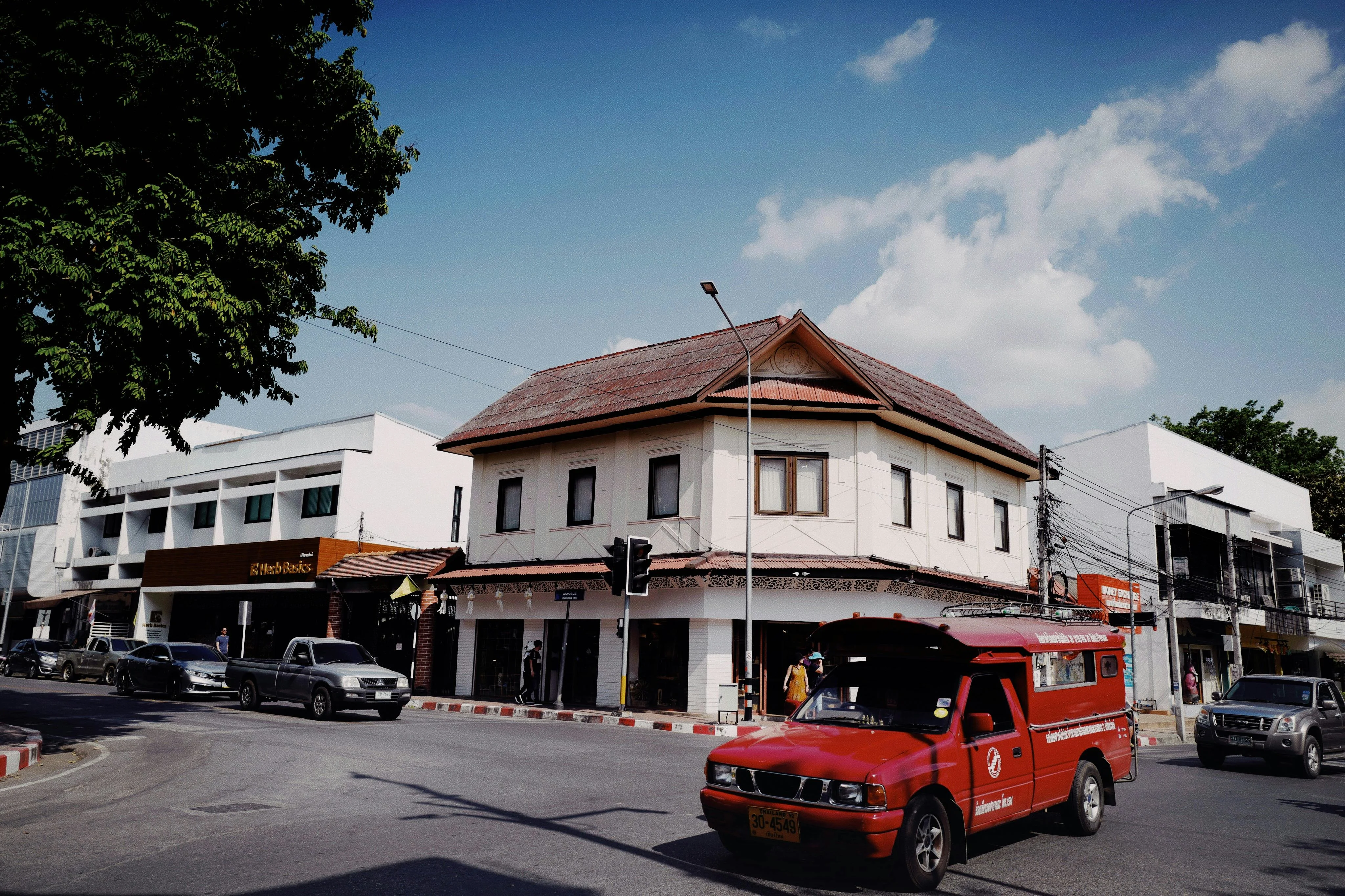
Chiang Mai is small enough to feel walkable until you actually try to walk it in 35-degree heat without sidewalks. Here is how people actually move around.
Grab is the most practical option for anything over 15 minutes on foot. Fares within the city run 40 to 80 baht for most trips. Pickup can be slower in the Old City due to one-way streets, but it works everywhere.
Songthaews (the red shared pickup trucks) run fixed routes for 20 to 30 baht. They are worth learning for common routes between Nimman, the Old City, and the Night Bazaar. Ask your hotel to point you to the right one for your first trip.
Scooter rental runs 200 to 300 baht per day and gives complete flexibility. Recommended for anyone staying more than a week who is comfortable on two wheels. Not recommended for first-time riders in Thai traffic.
Tuk-tuks exist and are priced for tourists. Skip them for anything practical.
Working from Chiang Mai
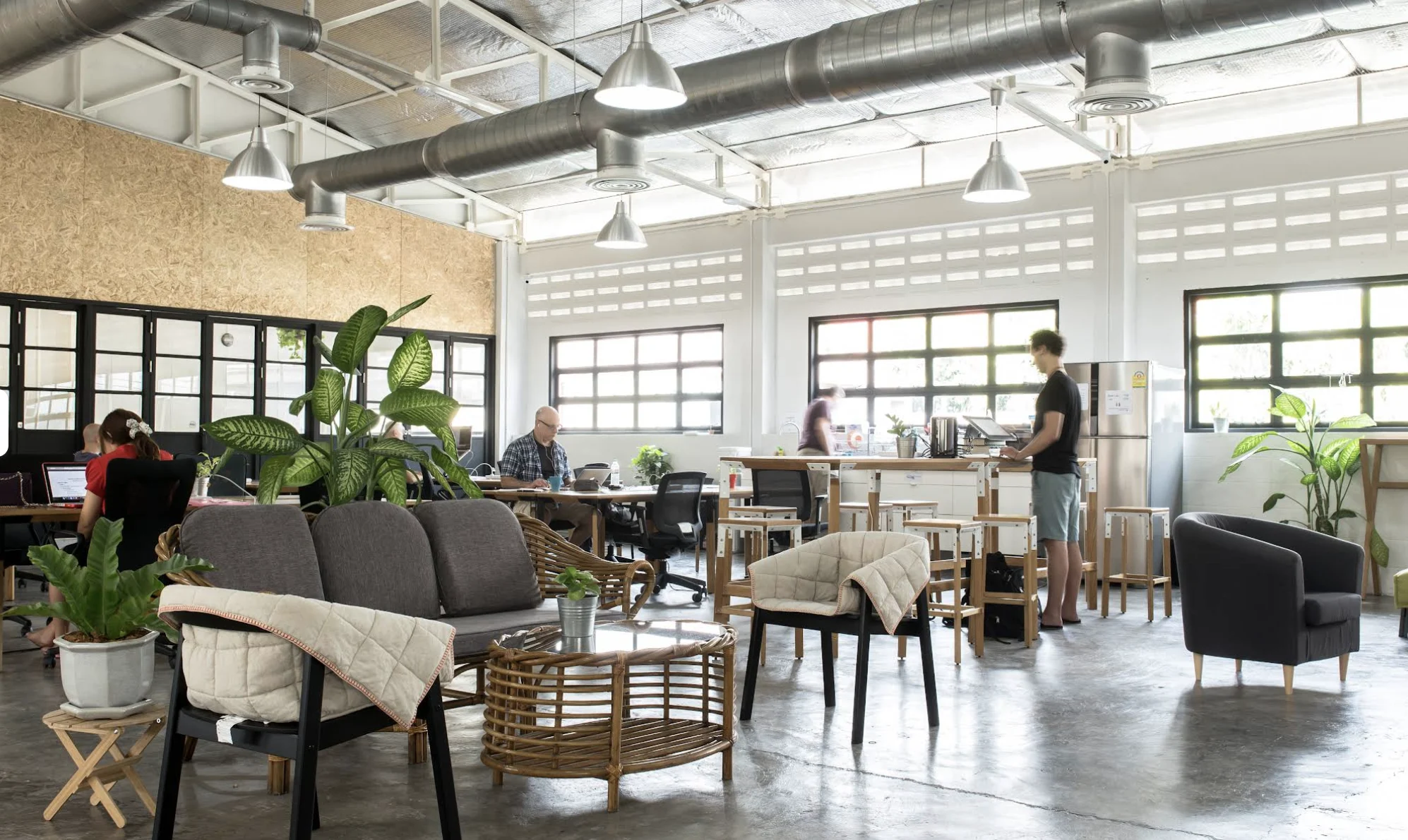
Chiang Mai offers 300 to 500 Mbps fiber in most modern condos and reliable WiFi in every cafe and coworking space across the city. The infrastructure for remote work is better here than in most Thai cities, and significantly better than comparable cities in Southeast Asia at the same price point.
The three coworking spaces worth knowing are CAMP at Maya Mall (free entry, pay per drink, 50 to 100 Mbps), Punspace in Nimman and near Tha Phae Gate (around 2,500 baht per month), and Yellow Coworking (24-hour access, around 6,500 baht per month, ergonomic desks and networking events included).
For the full coworking breakdown with current prices, WiFi speed tests, and which space suits which working style, read the Best Coworking Spaces in Chiang Mai Guide.
For the complete nomad picture including community, monthly budgets, and what long-term Chiang Mai life actually looks like, read the Chiang Mai Digital Nomad Guide.
Food in Chiang Mai
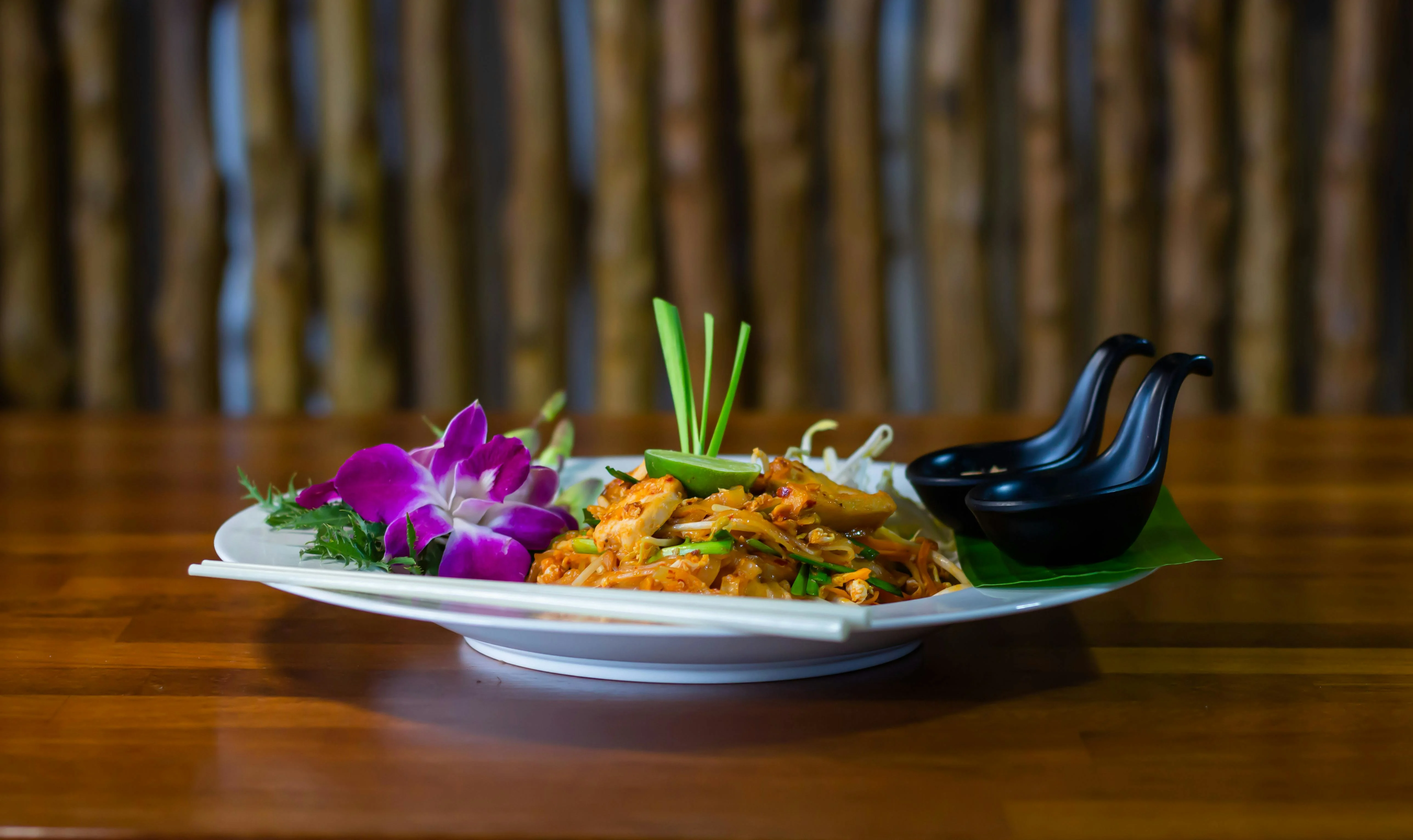
Chiang Mai has one of the strongest food scenes in Thailand, and most of it is not where tourists look. Northern Thai cuisine is different from what you find in Bangkok: heavier, spicier, and built around dishes that most visitors have never heard of.
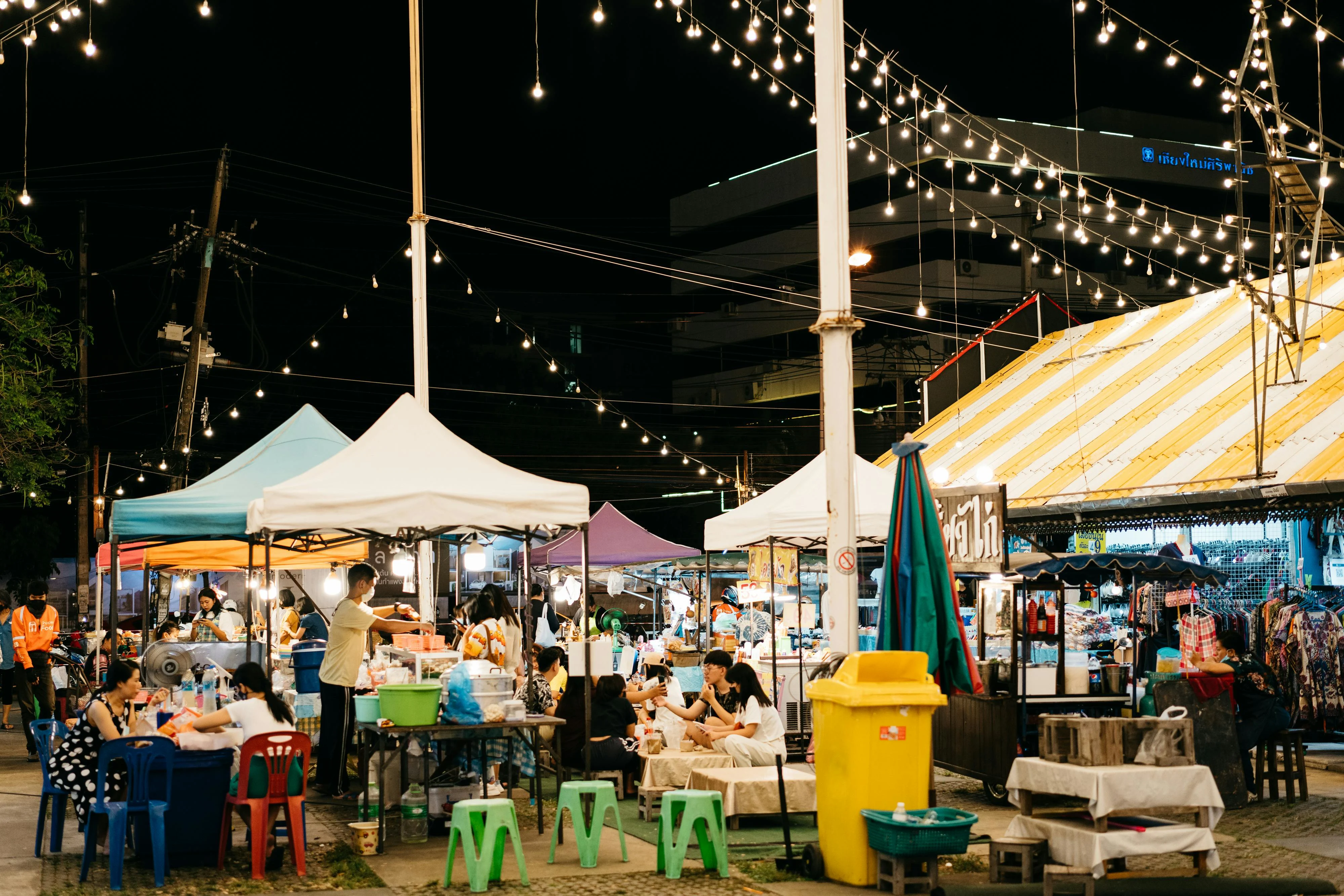
Khao soi is the one dish everyone knows, a coconut curry noodle soup that varies wildly by cook. Sai oua is the northern Thai pork sausage that appears at every local market. Kanom jeen nam ngiao is the fermented rice noodle dish that most tourists walk past without recognising. The Sunday Walking Street on Ratchadamnoen Road and the Saturday Night Market on Wualai Road are the two markets worth knowing for street food.
For a full food guide covering where locals actually eat, which markets are worth the trip, and what to order at each, read the Chiang Mai Food Guide.
Day trips
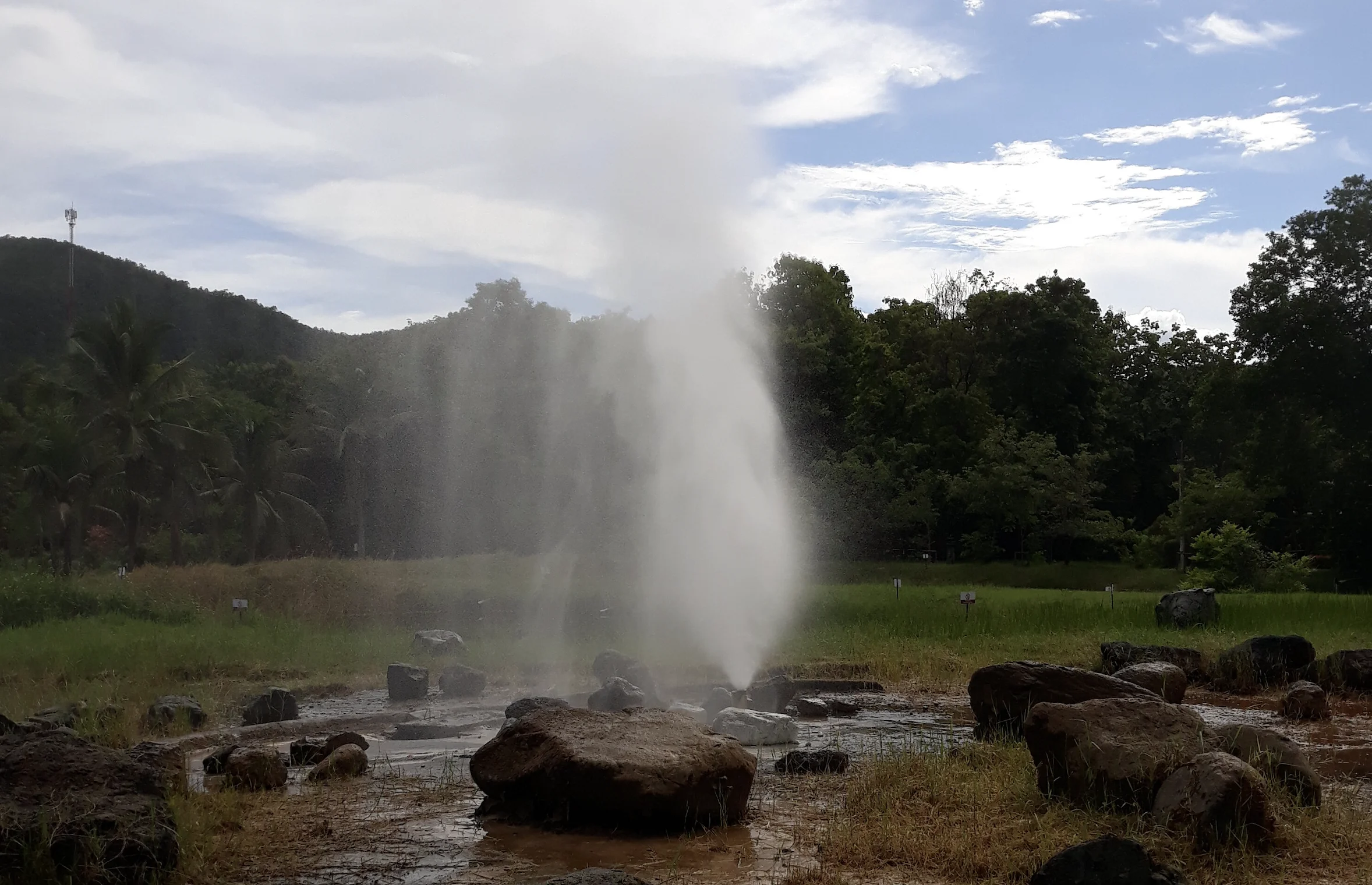
Chiang Mai's location makes it the best base in Thailand for day trips. The mountains start 20 minutes from the city centre.
Doi Inthanon National Park is Thailand's highest peak with waterfalls, hiking trails, and cool weather year-round. Two hours by car from the city. Go before the tour buses arrive.
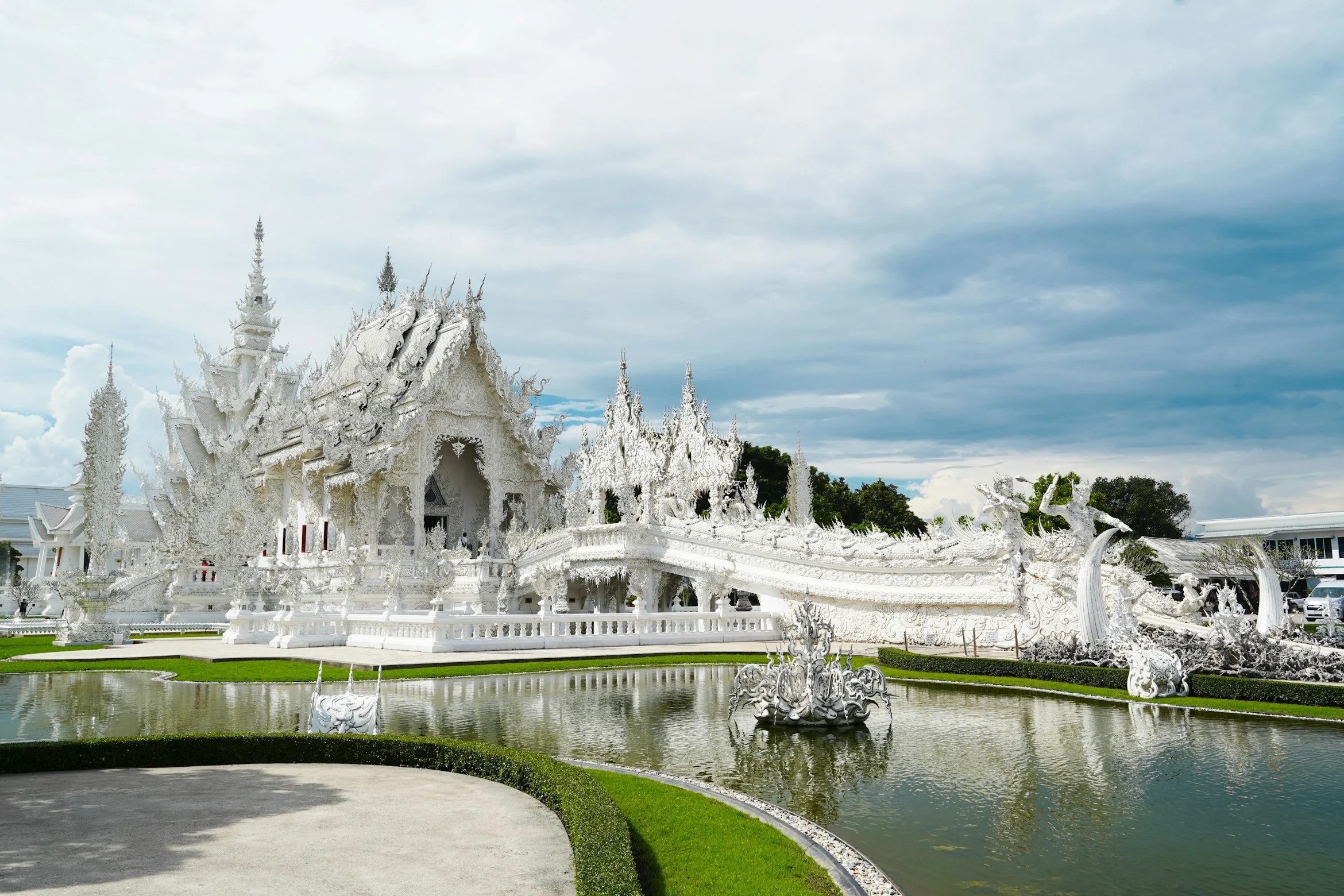
Chiang Rai sits three hours north by road. The White Temple, the Black House, and a pace even slower than Chiang Mai make it worth a night rather than a rushed day trip, though it is manageable as a long day out.
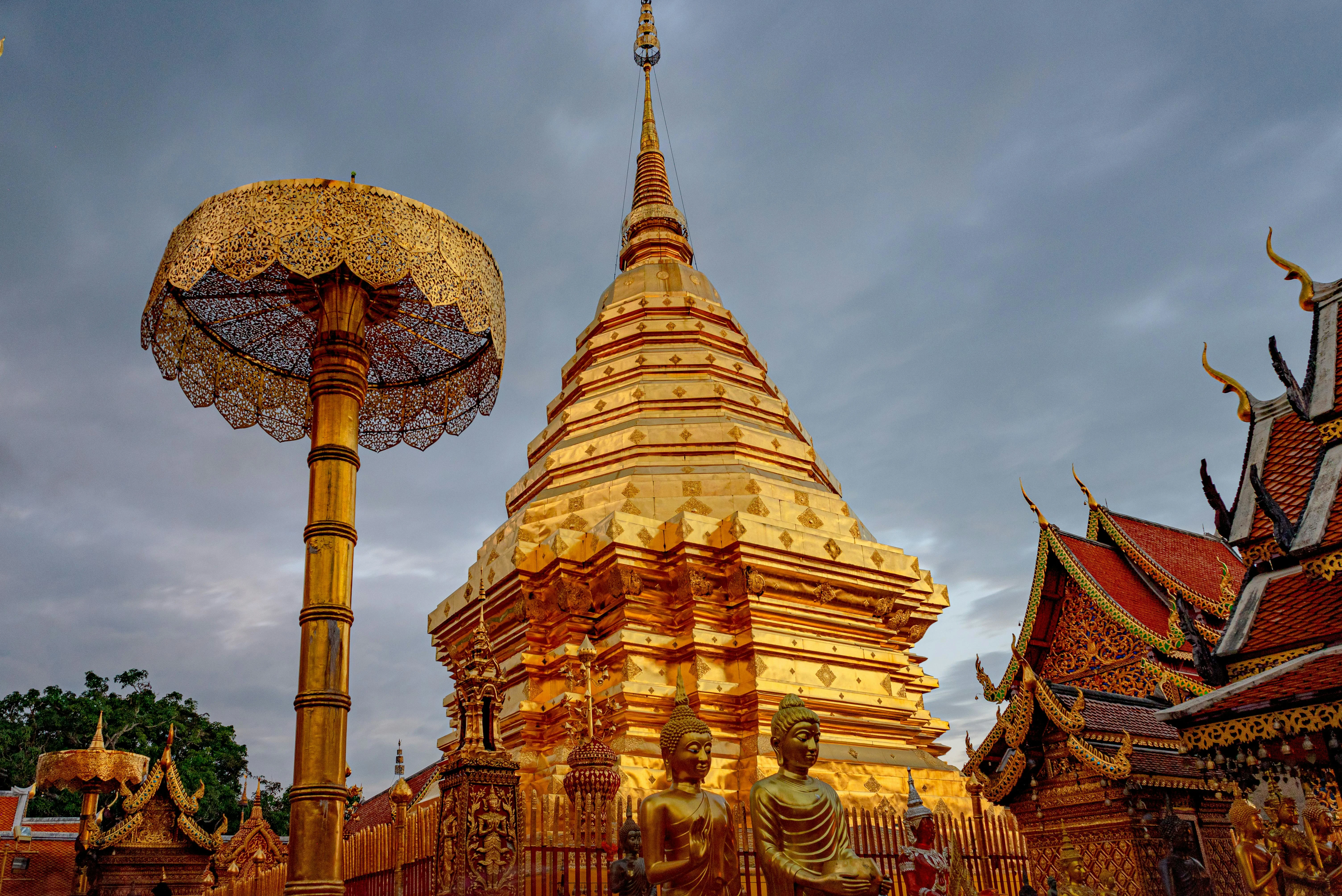
Doi Suthep is the golden temple visible from the city, 30 minutes by Grab or songthaew from Nimman. The 309-step staircase flanked by Naga serpents leads to one of Thailand's most revered temples with panoramic views on clear days. Go before 9am.
Mae Kamphaeng Hot Springs sit one hour east. Quiet, cheap, and genuinely relaxing. Not on most tourist itineraries, which is exactly the point.
For the full day trip guide with transport logistics, costs, and what is actually worth the journey, read the Best Day Trips from Chiang Mai Guide.
For a dedicated Chiang Rai guide including transport options, what to see, and whether to stay overnight, read the Chiang Rai Day Trip Guide.
Where to stay
The hotel choice in Chiang Mai starts with neighbourhood, not price. Pick the wrong area and no hotel will fix it.
Budget, under 1,000 baht per night. The Old City is where the budget options are. 99 The Gallery has a pool and colonial courtyard at this price point. Nature Boutique on Moon Muang Soi 6 scores 9.6 from couples.
Mid-range, 1,000 to 2,600 baht per night. Moose Hotel Nimman is the strongest work-friendly option in the neighbourhood with 500+ Mbps WiFi, a proper desk in every room, and breakfast included. Thapae Twins is the Old City equivalent for couples who want large rooms and attentive staff.
Boutique, 2,600 baht and above. Makkachiva is a 19-room art-gallery-style property two minutes from Wat Chedi Luang. G Nimman is the adults-only Nimman pool hotel. Travelodge Nimman has 2,244 reviews and a 9.3 score for when you need certainty over character.
For the full hotel breakdown with nine hotels reviewed, real WiFi speeds, honest drawbacks, and affiliate booking links, read the Best Hotels in Chiang Mai Guide.
For help choosing between neighbourhoods before you pick a hotel, read the Where to Stay in Chiang Mai Guide.
If you are staying longer than a month and want to rent rather than book a hotel, read the Renting an Apartment in Chiang Mai Guide.