Chiang Mai Burning Season: What to Know Before You Book
Every year, without fail, someone arrives in Chiang Mai in March expecting the city they read about in November and gets the one that ranked as the world's most polluted instead.
On March 30, 2026, IQAir ranked Chiang Mai as the world's worst city for air quality, recording an AQI of 233. Officials issued health alerts as wildfires spread across Mae Taeng district. That is not a freak event. It happens every year to varying degrees, and most hotel booking platforms will not tell you about it.
This guide covers the real timeline, who should genuinely skip it, and what to do if you are already booked and the smoke rolls in before you can leave.
For everything else about Chiang Mai, costs, neighbourhoods, and daily life, read the Chiang Mai Guide.
What burning season actually is
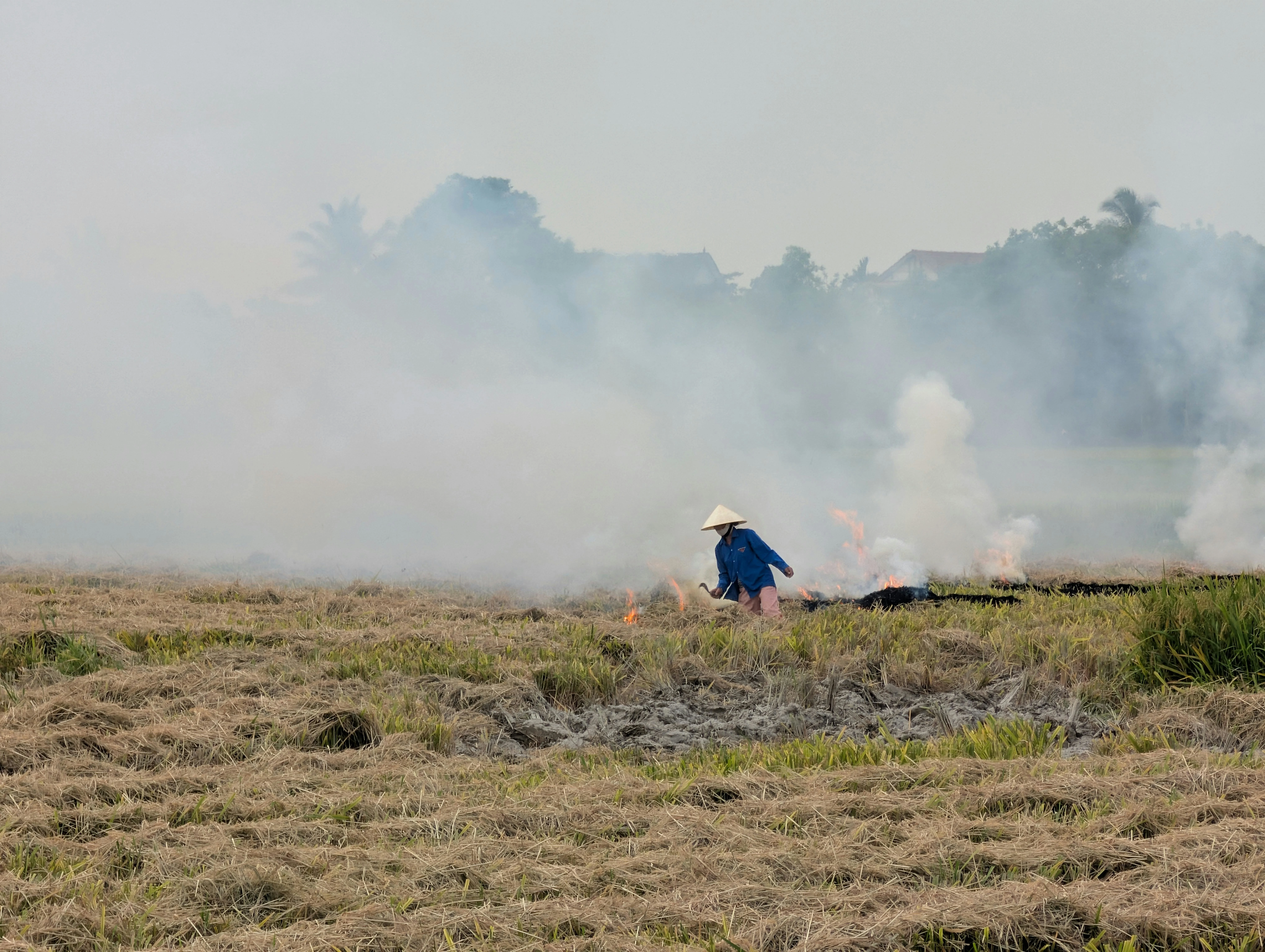
The short version: farmers burn their fields, forests catch fire, and Chiang Mai's mountain basin traps the smoke like a bowl with a lid on it.
The primary sources of PM2.5 during this period include agricultural residue burning from rice, sugarcane, and maize fields; forest fires during the dry season; and smoke transported from neighbouring countries including Myanmar and Laos. The problem is regional, not just local. Even if Thailand cleaned up its act entirely, cross-border smoke would still drift in.
Much of northern Thailand sits in basin-like landscapes ringed by high mountain ranges, allowing smoke and particulates to collect over valley cities. Chiang Mai is sitting in one of those basins. When winds drop and temperature inversions trap air near the ground, the smoke has nowhere to go and the AQI climbs fast.
The 2026 agricultural burning ban ran from February 1 to March 31. The fires continued anyway, despite repeated legal warnings. Starting a fire in a state-protected area carries a fine of 400,000 to 2 million baht and up to 20 years in prison. The bans exist. The enforcement does not.
The timeline: when it starts, peaks, and clears
Get this right and the whole trip planning process becomes simpler.
🟡 January. Generally clear. The best month to be in Chiang Mai after December. Forests still retain moisture in early 2026 and authorities reported conditions had not yet become severe. Enjoy it while it lasts.
🔴 February. The season starts building. Wildfires began breaking out in southern Chiang Mai province from mid-February 2026, moving north from Tak and Lamphun into Doi Tao district and Ob Luang National Park. Some February days are completely fine. Others are not. Do not assume based on the month alone.
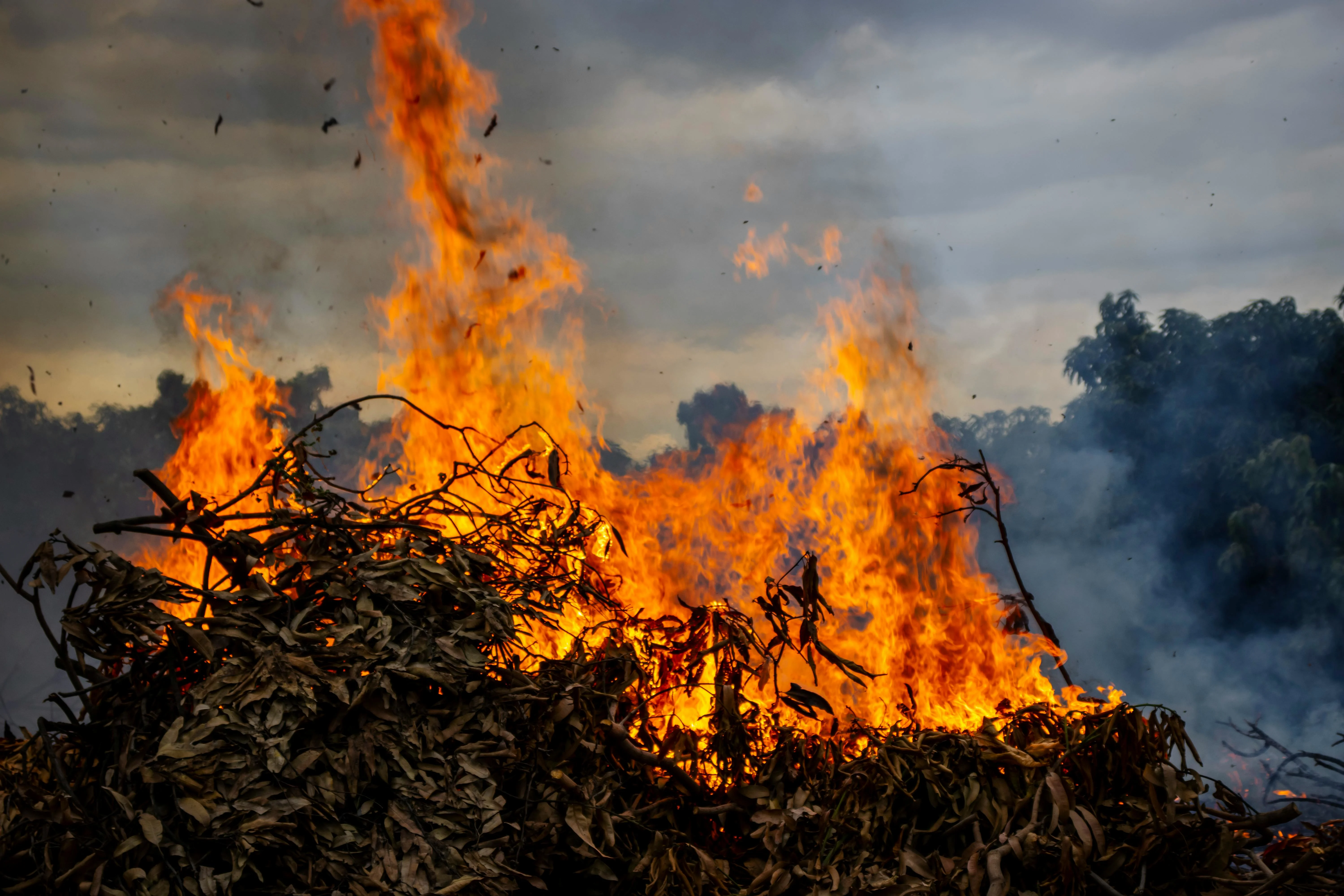
🔴 March. Skip it if you can. By March 31, 2026, 303 hotspots were detected in Chiang Mai in a single morning, with cumulative hotspots from January 1 to March 30 reaching 4,735 across the province. Residents described wildfires on mountain ridges as resembling volcanoes erupting. That is what March in Chiang Mai can look like from the valley below.
🟠 April. Still bad, slow to improve. On April 7, 2026, IQAir ranked Chiang Mai as the world's most polluted city with an AQI of 209. The entire city was shrouded in a dull white haze with visibility severely reduced. Early to mid-April is sensitive as farmers clear land before the monsoon arrives in May. Songkran falls in mid-April and the rains that follow usually clear the air within days.
🟢 May onward. Done. Fire activity typically peaks in March and fades by May as seasonal rains increase. The city comes back to itself fast once the first real rain hits.
How bad it actually gets
Think of air quality like a temperature gauge. When it reads normal, you do not notice it. When it hits the red zone, your body tells you fast.
The AQI scale works like this:
AQI Range | What it means |
|---|---|
0 to 50 | Clean. Breathe normally. |
51 to 100 | Fine for most people. |
101 to 150 | Sensitive people start feeling it. |
151 to 200 | Everyone starts feeling it. |
201 to 300 | Go inside. Close the windows. |
Above 300 | Dangerous for everyone, no exceptions. |
The WHO says safe air has no more than 5 micrograms of PM2.5 per cubic metre. That is the baseline.
During the 2026 season, Chiang Mai University's monitoring system recorded 808 micrograms per cubic metre in Chiang Dao district. That is 160 times the safe limit. Not 60 percent over. Not double. One hundred and sixty times.
On April 1, 2026, Chiang Mai declared several areas as disaster zones after PM2.5 levels exceeded 300 micrograms per cubic metre in some districts, nearly 10 times the government's own safety standard.
The hospitals filled up. At Lanna Hospital, pollution-related cases doubled. Patients came in with skin rashes, asthma attacks, shortness of breath, nosebleeds, inflamed sinuses, and eye irritation. These are not people with pre-existing conditions. These are ordinary visitors and residents breathing ordinary Chiang Mai air in March.
Doctors at Chiang Mai University's Faculty of Medicine confirmed the long-term risks of sustained exposure include respiratory disease, stroke, heart disease, and lung cancer. This is not a "pack some antihistamines" situation. It is a "rethink your travel dates" situation.
Be honest with yourself about whether to go
Some people should not visit during burning season regardless of how good their preparation is.
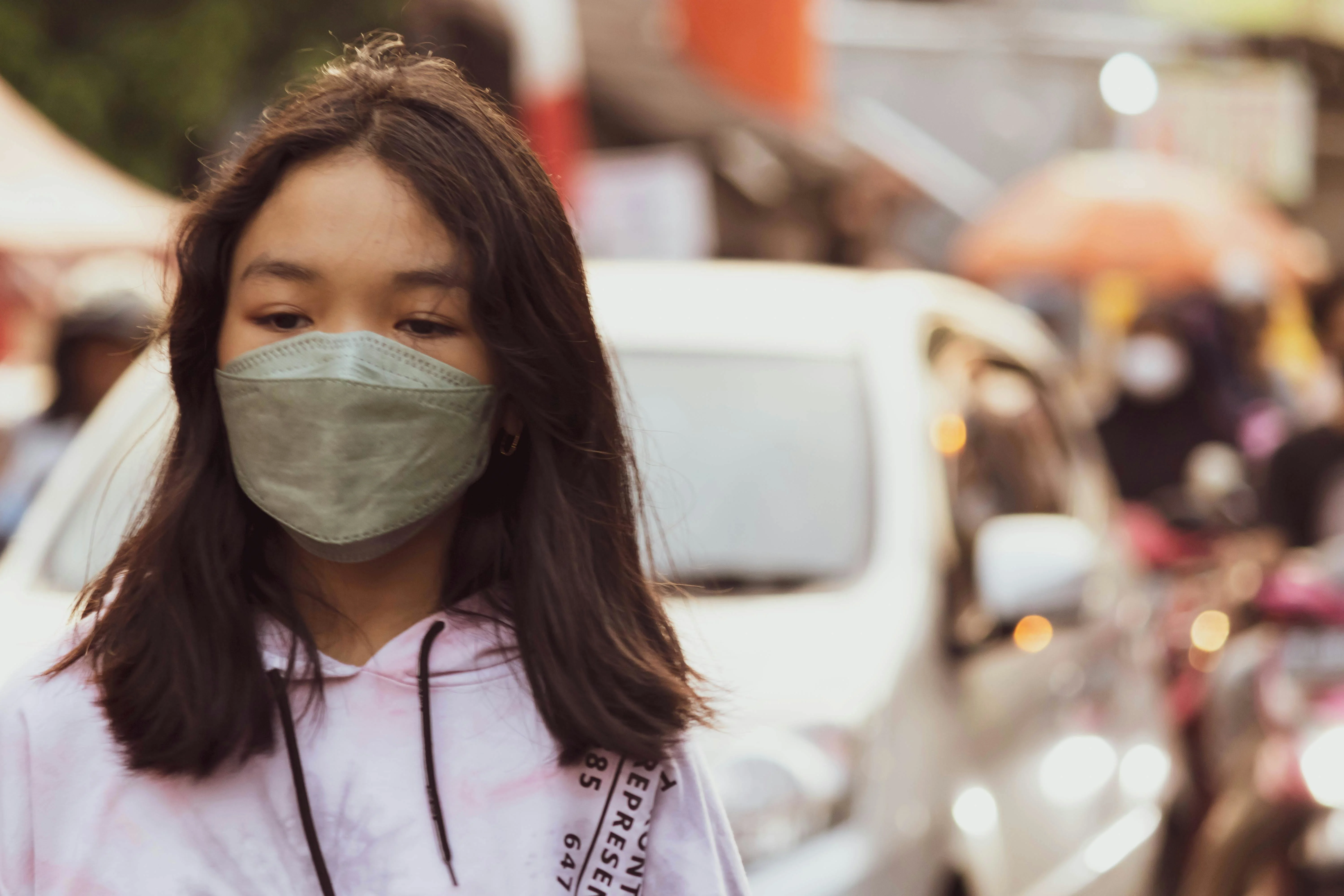
Do not go if you have asthma, COPD, chronic bronchitis, heart conditions, or any respiratory or cardiovascular condition. These conditions increase the risk of worsening from PM2.5 exposure, which impairs lung function and aggravates heart problems. A mask helps at the margins. It does not fix sustained hazardous air.
Do not go if you are travelling with young children, elderly family members, or anyone who is pregnant. High levels of PM2.5 affect children's development. Prolonged adult exposure is linked to increased cases of Alzheimer's disease. The risk to vulnerable people is real and cumulative.
Reconsider if your entire trip is built around outdoor activities, trekking, Doi Inthanon, or mountain hiking. Red and purple AQI days make those plans impossible and they arrive without warning.
If you are already booked
Paid for the flights. Cannot change the dates. Here is what actually makes a difference.
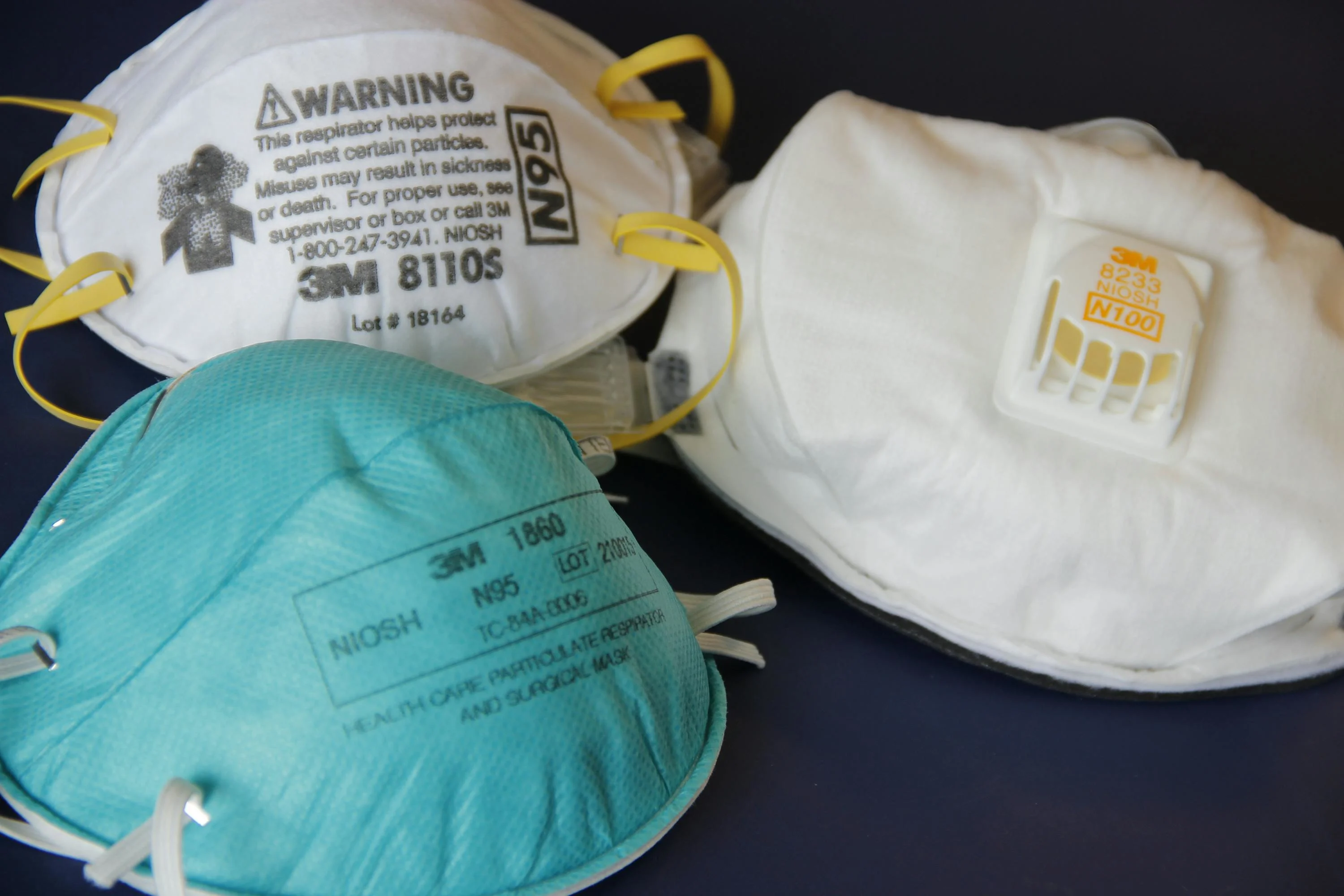
Get an N95 or KN95 mask, not a surgical one. Lanna Hospital doctors confirmed the guidance: people going outdoors should wear properly fitted N95 masks. Doors and windows should stay shut indoors, with air purifiers running. Surgical masks filter around 60 percent of PM2.5 particles. An N95 sealed properly gets to 95 percent. The difference matters at 200 AQI. Pick up masks at any pharmacy in Chiang Mai.
Book a room with an air purifier and verify it before arriving. Send a direct message to the hotel before booking: "Does the room have a HEPA air purifier for the smoky season?" Chiang Mai University's medical faculty recommended that people use indoor air filtration during very high PM2.5 episodes. Many Nimman hotels added purifiers as standard after 2025. The Old City guesthouses are less consistent, so ask.
Know your thresholds. Professor Dr Bannakit Lojanapiwat, dean of Chiang Mai University's Faculty of Medicine, said if PM2.5 exceeds 50 micrograms per cubic metre, avoid prolonged outdoor exposure. Above 150 micrograms per cubic metre, stay indoors with windows shut and air conditioning or purifiers running.
Use Clean Air Rooms on the worst days. This is not widely known outside Chiang Mai. The city has 2,004 Clean Air Rooms across the province, located at hospitals, health service units, child development centres, schools, community halls, and temples. They are publicly accessible and a practical option when the outdoor AQI makes staying at a cafe impossible.
Check the AQI before planning anything. Chiang Mai University's Faculty of Medicine recommends Air4Thai and AirVisual for real-time PM2.5 tracking. Check every morning before making plans. A clear sunrise does not mean a clear afternoon.
Shift your outdoor time to early morning. AQI peaks around midday when temperature inversions trap smoke close to the ground. Before 8am is the cleanest window most days.
What the government actually did in 2026
Worth knowing, because it shows the scale of what happened and why the standard tourist advice of "just avoid March" does not fully capture it.
Thailand's Ministry of Interior declared Chiang Mai, Lamphun, and Phayao provinces as emergency disaster zones on April 4, 2026. The declaration allowed provincial governors to disburse emergency funds.
Chiang Mai announced emergency disaster assistance areas covering six districts: Hot, Samoeng, Chiang Dao, Mae Wang, Mae Taeng, and Doi Saket.
The crisis weighed directly on tourism. Poor air quality hurt bookings and shook business confidence in Chiang Mai throughout the season. That matters practically: if you are booking boutique hotels or popular restaurants during burning season, you will find more availability and lower prices precisely because visitor numbers drop. Tripadvisor
Booking tips
📅 Best window: November through January. This is when Chiang Mai is at its best. Cool nights, clear air, mountains visible from the city. Book six to eight weeks ahead in Nimman for anything decent.
🔥 Worst window: Late February through April. March is the month to avoid if the choice exists.
💰 The upside of bad air: Accommodation rates drop 30 to 50 percent below peak season during March and April. If you are healthy, prepared, and budget-conscious, this is the cheapest version of Chiang Mai.
📋 Before booking: Ask hotels directly about air purifiers. Check whether rooms have sealed windows. Book refundable rates so you have the option to postpone if conditions turn hazardous the week of your arrival.
📶 Track it live: Air4Thai and IQAir both publish real-time data. Check both because neighbourhood sensors can show different readings across the city.
For hotel recommendations with air purifier details and neighbourhood context, read the Best Hotels in Chiang Mai Guide.
Where to go from here
If your dates are flexible, the Chiang Mai Guide covers the best window to visit, what cool season looks like, and how to plan a stay that gets the best of the city without the smoke.
If you are committing to a trip regardless of the season, the Best Hotels in Chiang Mai Guide covers which properties have air purifiers and which neighbourhoods have the best indoor infrastructure for bad air days.