Cost of Living in Chiang Mai 2026: What It Actually Costs
Most cost of living guides for Chiang Mai are either outdated or written by someone who stayed for two weeks and ate street food every meal. Neither is useful if you are planning a month or longer.
This guide covers what things actually cost in 2026 across four budget levels: survival, budget, comfortable, and expat lifestyle. Every number is current. Where costs have changed due to recent price increases, that is noted.
One honest framing before the numbers: Chiang Mai remains one of the cheapest cities in Southeast Asia to live in well. That statement holds in 2026 despite food price increases and a slightly weaker baht. The value for money here is still difficult to find elsewhere at the same quality of life.
For neighbourhood context on where to base yourself, read the Best Neighbourhoods in Chiang Mai Guide. For the full Chiang Mai picture, read the Chiang Mai Guide.
The honest summary
Before the full breakdown, here is the number most people actually want:
Budget level | Monthly cost (solo) | What it gets you |
|---|---|---|
Survival | 15,000 to 20,000 baht | Old City guesthouse or basic Santitham room, street food daily, no coworking, local transport only |
Budget | 25,000 to 35,000 baht | Furnished studio in Santitham or Old City, mix of street food and restaurants, occasional coworking |
Comfortable | 40,000 to 60,000 baht | Modern Nimman studio with pool, coworking membership, regular restaurant meals, scooter rental |
Expat lifestyle | 70,000 to 120,000 baht | One-bedroom Nimman condo or Hang Dong house, full coworking, frequent dining out, weekend travel |
These are real numbers for a single person living in Chiang Mai, not someone passing through on a tourist budget.
Rent
Rent is the biggest variable and the one that most determines which lifestyle is possible at your budget.
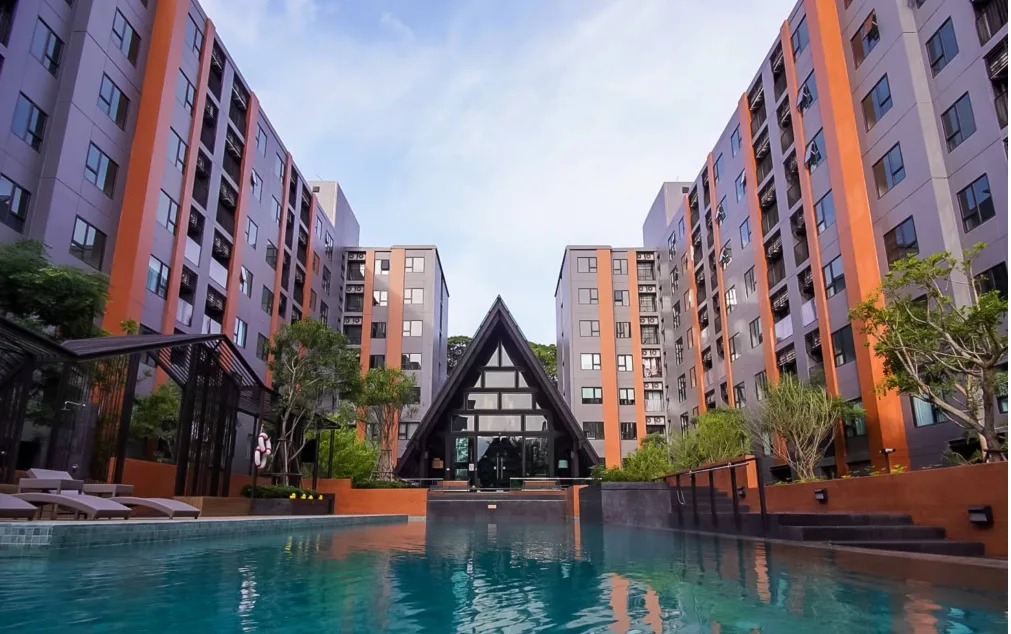
Nimman is the most expensive residential neighbourhood. A furnished studio in a modern building with pool and gym runs 10,000 to 18,000 baht per month. One-bedroom units in newer buildings run 15,000 to 25,000 baht. Older buildings in Nimman offer lower rates but less reliable WiFi and fewer amenities.
Santitham is the best value for central Chiang Mai. Furnished studios run 5,000 to 10,000 baht per month. The trade-off is older building stock and the need for a scooter or Grab for most errands. The savings over Nimman are significant enough to cover a full coworking membership every month.
Old City sits between the two. Guesthouses and smaller apartment buildings run 6,000 to 15,000 baht per month for furnished rooms. WiFi and amenities vary significantly by building. Inspect before committing to a longer stay.
Hang Dong is the suburban alternative for families and longer-term residents. Standalone houses with gardens run 15,000 to 40,000 baht per month. A car is required. The space-to-price ratio is the best in the city.
One important note on electricity: the government rate is 3.88 baht per unit as of January to April 2026. Some landlords charge building rates of 7 to 9 baht per unit, which is technically not permitted under Thai consumer protection rules but remains common practice. Running air conditioning daily at building rate can add 2,000 to 5,000 baht per month compared to 1,000 to 2,500 baht at government rate. Ask before signing.
Water runs 100 to 250 baht per month. Building management fees at condos typically add 500 to 1,500 baht per month on top of rent.
Food
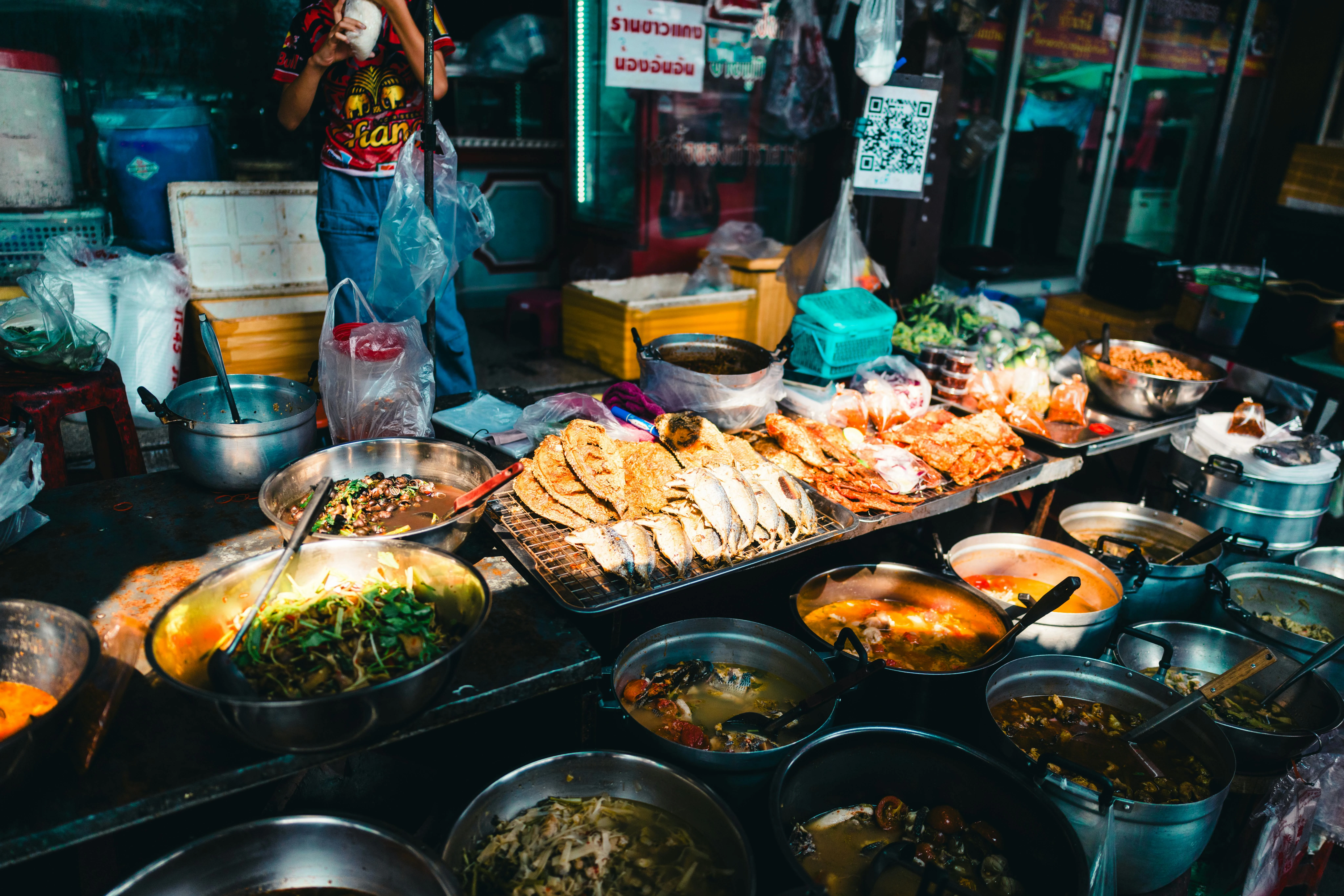
Chiang Mai's food scene is one of the strongest arguments for living here. The range runs from 40 baht street food to 400 baht restaurant mains, and the quality at every price point is genuinely high.
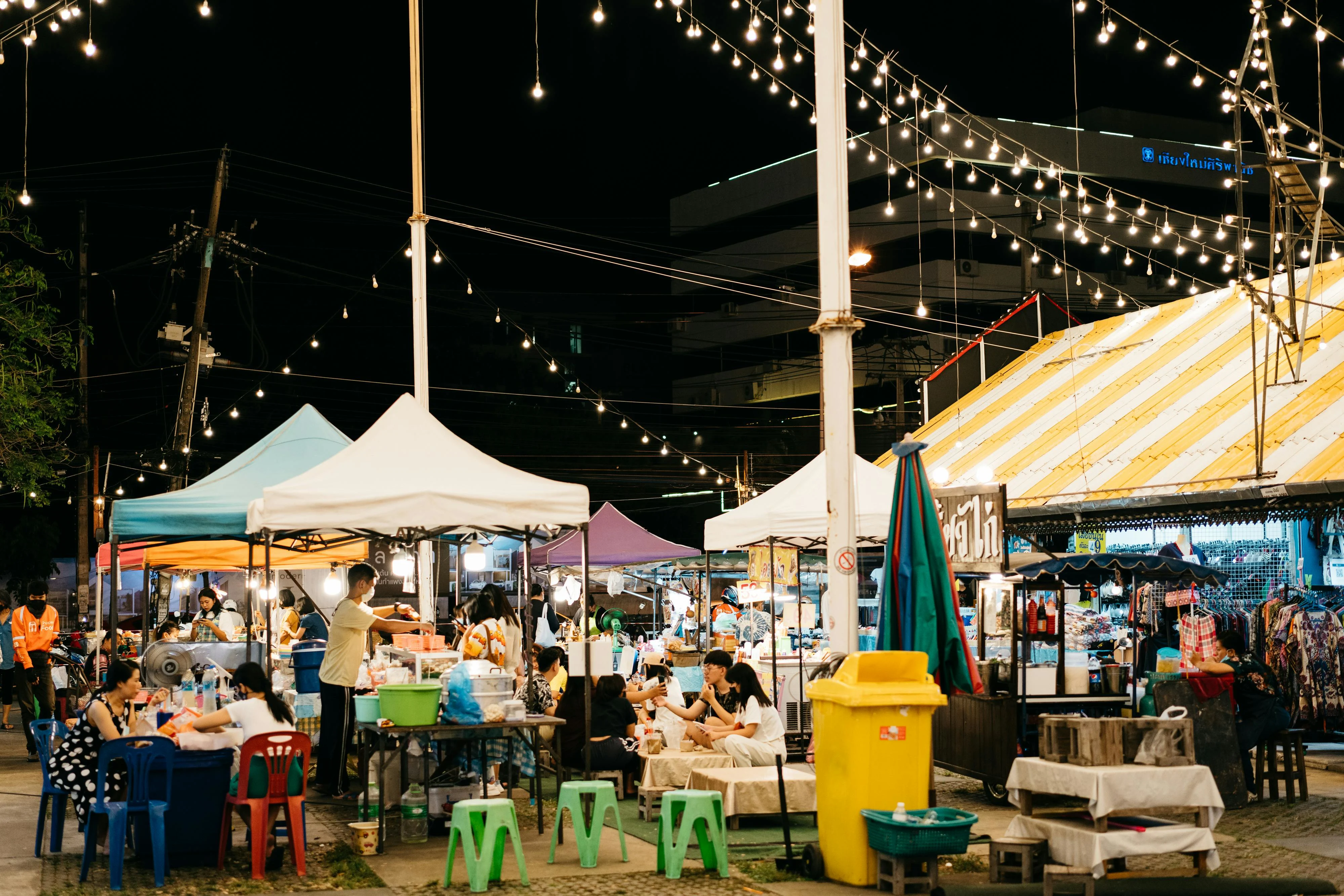
Street food and local markets: A plate of khao man gai (poached chicken and rice) costs 50 to 60 baht. A bowl of khao soi runs 60 to 80 baht at a local restaurant. Pad Thai from a street stall is 50 to 70 baht. Fresh fruit from the morning market runs 20 to 50 baht per bag. Eating local Thai food for three meals a day costs 150 to 250 baht.
Mid-range restaurants: A meal at a sit-down Thai restaurant runs 120 to 250 baht per person. A Western breakfast (eggs, toast, coffee) at a Nimman cafe costs 180 to 300 baht. A bowl of ramen or Japanese food runs 200 to 350 baht.
Groceries: A standard shop at Rimping Supermarket (the best expat-facing supermarket in the city) or Tops runs 3,000 to 6,000 baht per month for a single person cooking regularly. Imported Western products cost two to three times what they would at home and are worth skipping for most things.
Food prices have increased. Street food vendors across Thailand have been adjusting prices upward in 2026 due to higher ingredient, packaging, and transport costs. A plate that cost 50 baht in 2024 often costs 60 to 70 baht now. The increases are real but Chiang Mai remains cheap by any international comparison.
Realistic monthly food budgets:
Style | Monthly cost |
|---|---|
Street food and markets only | 4,500 to 7,500 baht |
Mix of street food and restaurants | 8,000 to 14,000 baht |
Regular restaurant meals, occasional Western food | 14,000 to 22,000 baht |
Frequent dining out, imported groceries | 22,000 to 35,000 baht |
Transport
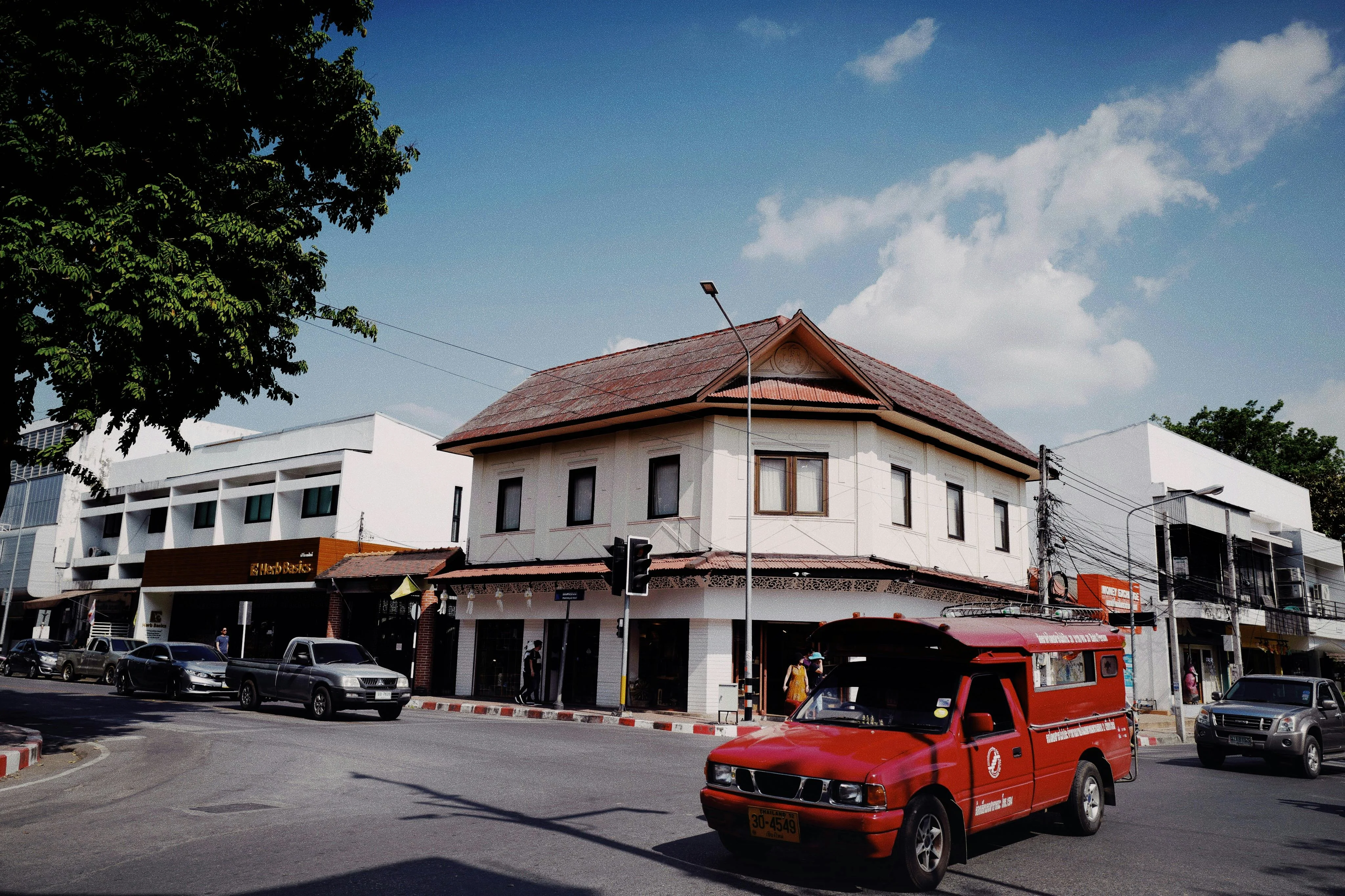
Chiang Mai transport costs are low but depend entirely on how you move around.
Grab: 40 to 100 baht per trip within the city. A daily Grab habit for two trips costs roughly 2,400 to 6,000 baht per month. Practical for anyone in Nimman who does not want to deal with scooter parking and traffic.
Scooter rental: 200 to 300 baht per day for a short-term rental. For longer stays, monthly rentals run 2,500 to 4,000 baht per month including basic insurance. Petrol costs 40 to 80 baht for a full tank on a small scooter, lasting three to five days of normal city use.
Songthaews: 20 to 30 baht per trip on fixed routes. Worth learning for common routes between the Old City, Nimman, and the Night Bazaar area. The cheapest way to move around if you know which colour truck goes where.
Realistic monthly transport budgets:
Style | Monthly cost |
|---|---|
Songthaews and walking only | 600 to 1,500 baht |
Grab for most trips | 2,500 to 6,000 baht |
Scooter rental | 3,000 to 5,000 baht |
Own a scooter (after purchase cost) | 800 to 1,500 baht in fuel and maintenance |
Coworking and internet
Dedicated coworking in Chiang Mai runs 2,500 to 5,990 baht per month depending on the space. Punspace is 3,899 baht per month. Yellow Coworking is 5,990 baht. One Workspace in Santitham runs 2,500 baht per month and is the best budget option.
Home fiber internet from AIS or True runs 500 to 800 baht per month for 200 to 1,000 Mbps. Installation requires a local address and Thai ID or passport. Most condos in Nimman have building WiFi included in the rent or available as an optional add-on for 300 to 500 baht per month.
A Thai SIM card with a data plan runs 200 to 400 baht per month for 30 to 100GB of data.
Healthcare
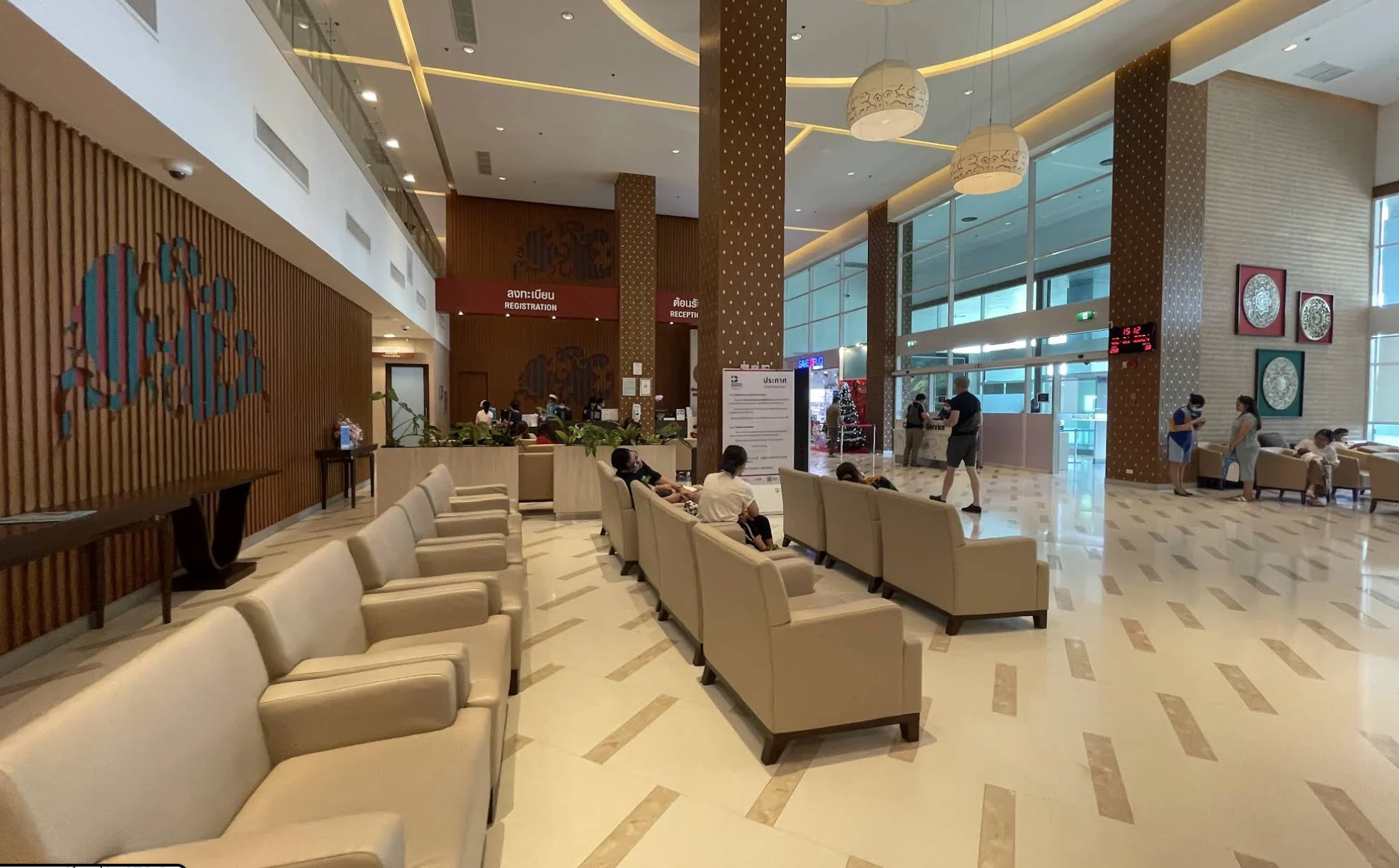
Chiang Mai has strong healthcare infrastructure relative to its size. Private hospital visits at Chiang Mai Ram or Bangkok Hospital Chiang Mai run 500 to 2,000 baht for a standard consultation. Basic dental work at a private clinic runs 500 to 2,000 baht per session. A dental cleaning runs 500 to 800 baht.
Health insurance for a healthy adult in their 30s through a provider like Pacific Cross or Cigna runs 15,000 to 35,000 baht per year depending on coverage level. Monthly that is 1,250 to 2,900 baht. For anyone staying longer than a tourist visa allows, health insurance is required for the DTV and strongly recommended for any long stay regardless of visa type.
Entertainment and lifestyle
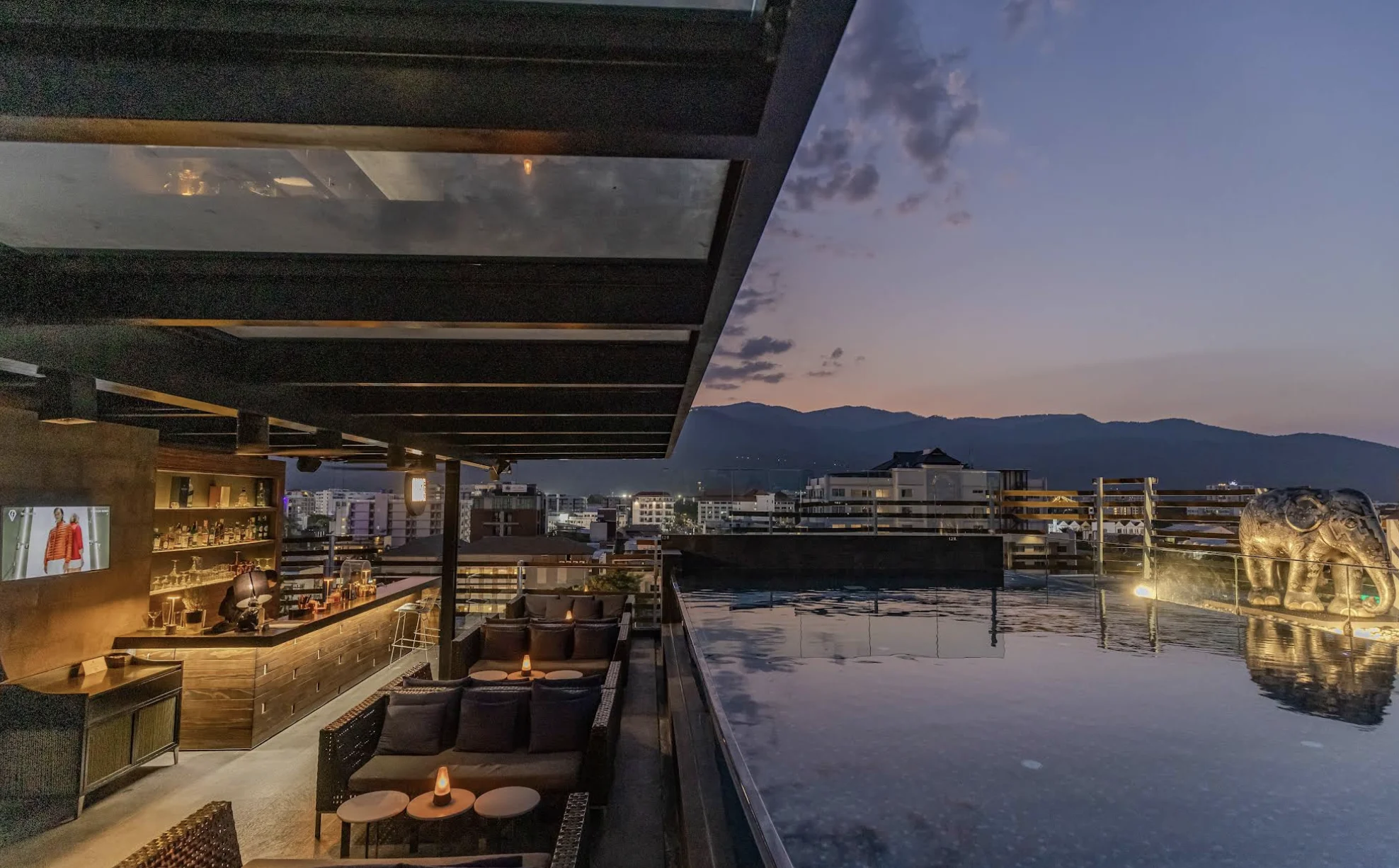
A beer at a Nimman bar runs 80 to 150 baht. A cocktail runs 180 to 280 baht. A movie at the Maya Mall cinema runs 200 to 280 baht. A Thai massage runs 250 to 400 baht per hour at a legitimate shop. A gym membership at a Nimman fitness centre runs 1,000 to 2,500 baht per month.
Weekend trips from Chiang Mai to other parts of Thailand add cost depending on frequency. A domestic flight to Bangkok or the islands runs 800 to 2,500 baht each way booked in advance. Overnight trains to Bangkok run 600 to 1,200 baht for a sleeper berth.
Full monthly budget breakdown
Category | Survival | Budget | Comfortable | Expat lifestyle |
|---|---|---|---|---|
Rent | 5,000 to 8,000 | 8,000 to 12,000 | 12,000 to 18,000 | 18,000 to 40,000 |
Food | 4,500 to 6,000 | 8,000 to 12,000 | 12,000 to 18,000 | 20,000 to 35,000 |
Transport | 600 to 1,500 | 1,500 to 3,000 | 3,000 to 5,000 | 4,000 to 8,000 |
Coworking and internet | 0 to 1,000 | 1,000 to 3,000 | 3,000 to 5,000 | 4,000 to 6,000 |
Healthcare and insurance | 0 to 500 | 500 to 1,500 | 1,500 to 2,500 | 2,500 to 4,000 |
Entertainment | 500 to 1,500 | 1,500 to 3,500 | 3,500 to 6,000 | 6,000 to 15,000 |
Total | 11,000 to 18,500 | 20,500 to 35,000 | 35,000 to 54,500 | 54,500 to 108,000 |
All figures in Thai Baht per month for a single person.
What has changed in 2026
A few things worth knowing if you are working from older cost guides.
Food prices are up. Street food vendors across Thailand adjusted prices upward in early 2026 due to rising ingredient and transport costs. Dishes that cost 50 baht in 2023 often cost 60 to 70 baht now. The increases are real but modest.
Electricity is slightly cheaper. The government rate for January to April 2026 dropped to 3.88 baht per unit from 3.94 baht. Building rates charged by some landlords remain higher and are worth verifying before signing any rental contract.
The baht has weakened slightly against major currencies in 2026 relative to 2024, which means foreign income stretches further. For earners in USD, EUR, or GBP, Chiang Mai is marginally better value now than two years ago.
Nimman rents are stable. Despite demand from the growing nomad community, the volume of new condo supply in Nimman has kept rents from increasing significantly. The 10,000 to 18,000 baht range for a furnished studio has held steady.
Booking tips
📍 Negotiate rent directly. Portal prices are rack rates. Email building management directly and ask for the monthly rate. The gap between listed and actual rates is often 10 to 20 percent for stays of three months or more.
💡 Ask about the electricity rate before signing. Government rate is 3.88 baht per unit. If a landlord charges 7 to 9 baht per unit, your electricity bill could be double what it would otherwise be. This is the most common financial surprise for new renters in Chiang Mai.
🔥 Factor in burning season. If your stay overlaps with February through April, an air purifier is a practical necessity, not a luxury. Budget 3,000 to 8,000 baht for a decent HEPA unit or confirm your accommodation includes one. For the full burning season picture, read the Chiang Mai Burning Season Guide.
💰 Street food is genuinely good. Spending 150 to 250 baht per day on food is not a sacrifice in Chiang Mai. The quality of local Thai food at that price point is higher than restaurant food at twice the price in most Western cities.
Where to go from here
For help choosing the right neighbourhood based on your budget, read the Best Neighbourhoods in Chiang Mai Guide.
For the practical side of renting an apartment, including current prices by building, electricity rate checks, and what to negotiate, read the Renting an Apartment in Chiang Ma
For coworking space options at every budget level, read the Best Coworking Spaces in Chiang Mai Guide.