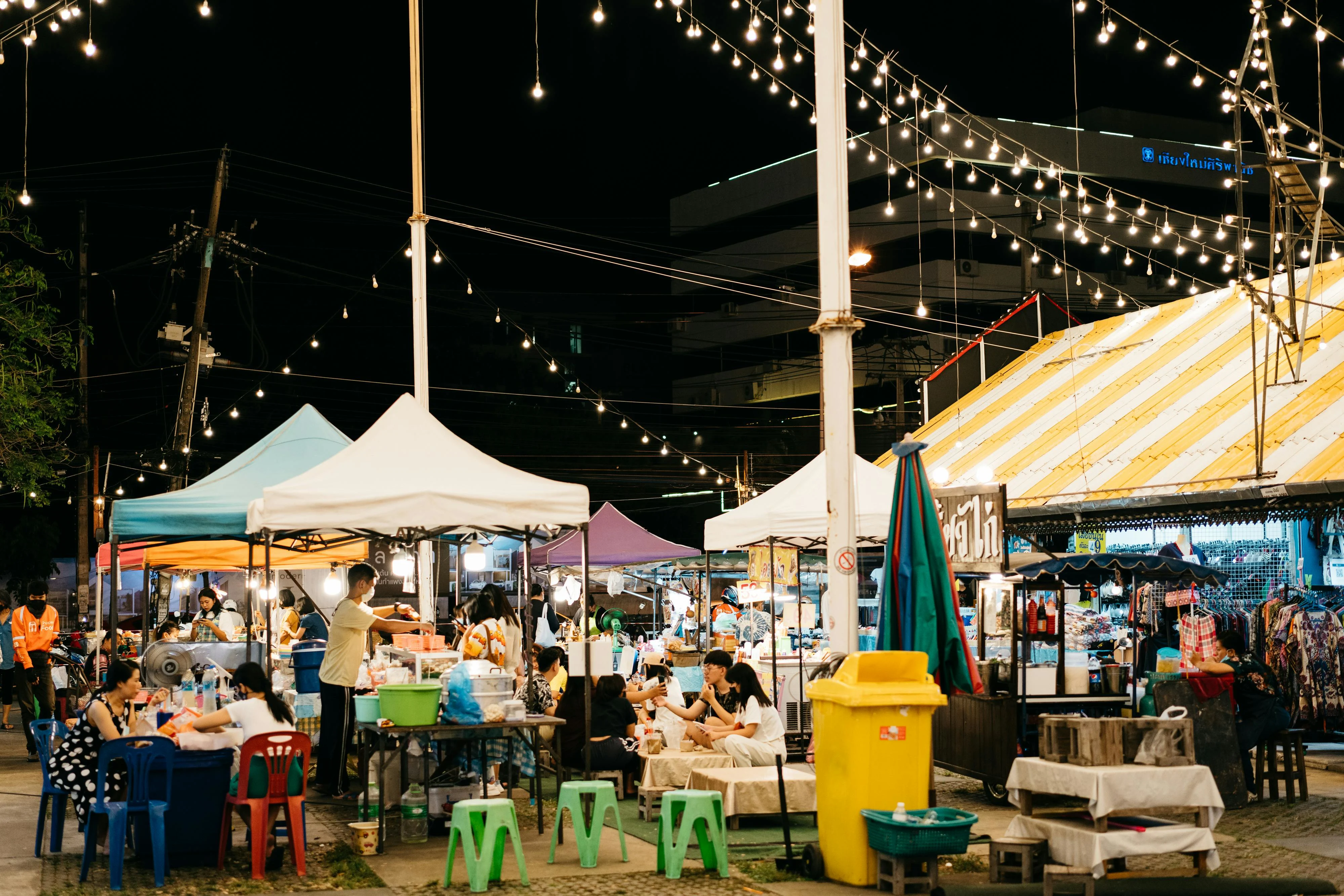
Chiang Mai has been on the remote work list for over a decade. That kind of longevity either means the city genuinely delivers or that no one has updated the article since 2017. The answer is somewhere in between.
The infrastructure is real. The cost of living is real. The community of people doing exactly what you are planning to do is real. What has changed is the legal landscape around visas and tax, which requires more attention in 2026 than it did a few years ago. This guide covers what still works, what has changed, and what to expect when you actually land.
For the full picture on where to stay and how to budget a longer stint, the neighbourhood guide and the cost of living guide cover both in detail.
Why Chiang Mai still works
The city has the infrastructure most remote workers need and very little of the friction that makes other cities harder to live in. Coworking spaces with reliable fibre connections are within walking distance of most central accommodation. The cafe-to-resident ratio is one of the highest in Southeast Asia. The food is excellent and inexpensive. The airport connects directly to Bangkok, Singapore, Kuala Lumpur, and several other hubs.
The cost of living is genuinely lower than most comparable cities in the region. A clean one-bedroom apartment in a good neighbourhood costs between 5,000 and 12,000 THB per month. Street food meals run 60 to 120 THB. A monthly coworking membership at a well-equipped space sits around 3,000 to 5,000 THB.
What the city lacks is the scale and pace of Bangkok. If you need enterprise-level client meetings, a major financial district, or a lifestyle with consistent nightlife, Chiang Mai is the wrong choice. For everyone else, it holds up well.
The visa situation
Destination Thailand Visa (DTV)
The DTV is Thailand's closest equivalent to a remote worker visa. It costs 10,000 THB to apply, is valid for five years, and allows stays of up to 180 days per entry. It can be extended once within Thailand for an additional 180 days at another 10,000 THB. You must apply from outside Thailand at a Thai embassy or consulate. Minimum age is 20. The financial requirement is proof of at least 500,000 THB in your bank account.
The practical reality is messier than the headline. Extension paperwork inside Thailand has proven inconsistent across immigration offices, and most DTV holders simply leave the country every 180 days rather than attempt the in-country extension. The DTV is effectively a five-year multiple-entry visa that requires a border hop twice a year. That is still useful. Just go in knowing that is how most people use it.
One important caveat: the DTV does not authorise you to work for Thai companies or clients. It covers remote work for overseas employers and clients only.
Tourist visa and visa exemption
Most nationalities receive a 60-day visa exemption on arrival. This can be extended once at any immigration office for 30 days at a cost of 1,900 THB, giving you a maximum of 90 days per entry without advance planning. For stays under three months, many remote workers use this route and leave the country when the time runs out.
The Thai government began reviewing the 60-day exemption scheme in early 2026 following concerns about foreign nationals using it for unauthorised work. The rules have not changed at the time of writing, but the direction of enforcement is worth watching before you commit to this approach for an extended stay.
Internet and connectivity
Chiang Mai has solid internet infrastructure. The three major mobile providers operating in the city are AIS, TrueMove H, and DTAC (now merged with True). All three offer 4G coverage across the city. 5G is available in the city centre from AIS and TrueMove H, with urban download speeds averaging around 350 Mbps on 5G in good coverage areas.
For a SIM card, a 30-day unlimited data plan from TrueMove H or AIS costs around 1,199 THB. AIS tends to have more consistent coverage in less central areas. Both are reliable for daily work use and video calls.
For a fixed apartment or long-term rental, home fibre from AIS Fiber or True Online is widely available in Chiang Mai. Unlimited fibre plans start around 700 to 1,200 THB per month and can reach speeds of up to 1 Gbps depending on the package. Most apartment buildings in Nimman and the Old City area have fibre already run to the building.
The coworking guide covers WiFi speeds and connection quality at specific coworking spaces across the city.
Cost of living
Remote workers who eat primarily local food, use a scooter or songthaew for transport, and rent outside the premium Nimman serviced apartment bracket live comfortably in Chiang Mai for 25,000 to 40,000 THB per month. That range covers rent, food, transport, coworking, and a reasonable social life.
The main variable is accommodation. A basic but clean studio in a local building in Santitham or the Old City starts around 5,000 THB per month. A modern one-bedroom apartment in Nimman with a pool and gym runs 12,000 to 20,000 THB. Serviced apartments aimed at short-term expats sit above that.
Food is where Chiang Mai delivers most clearly. A full meal from a local restaurant or market stall costs 60 to 120 THB. Coffee at a local cafe runs 50 to 80 THB. Even eating well three times a day at a mix of local and mid-range spots rarely pushes a monthly food budget past 10,000 THB. The cost of living guide breaks down every category with current figures.
Where to work
Coworking spaces
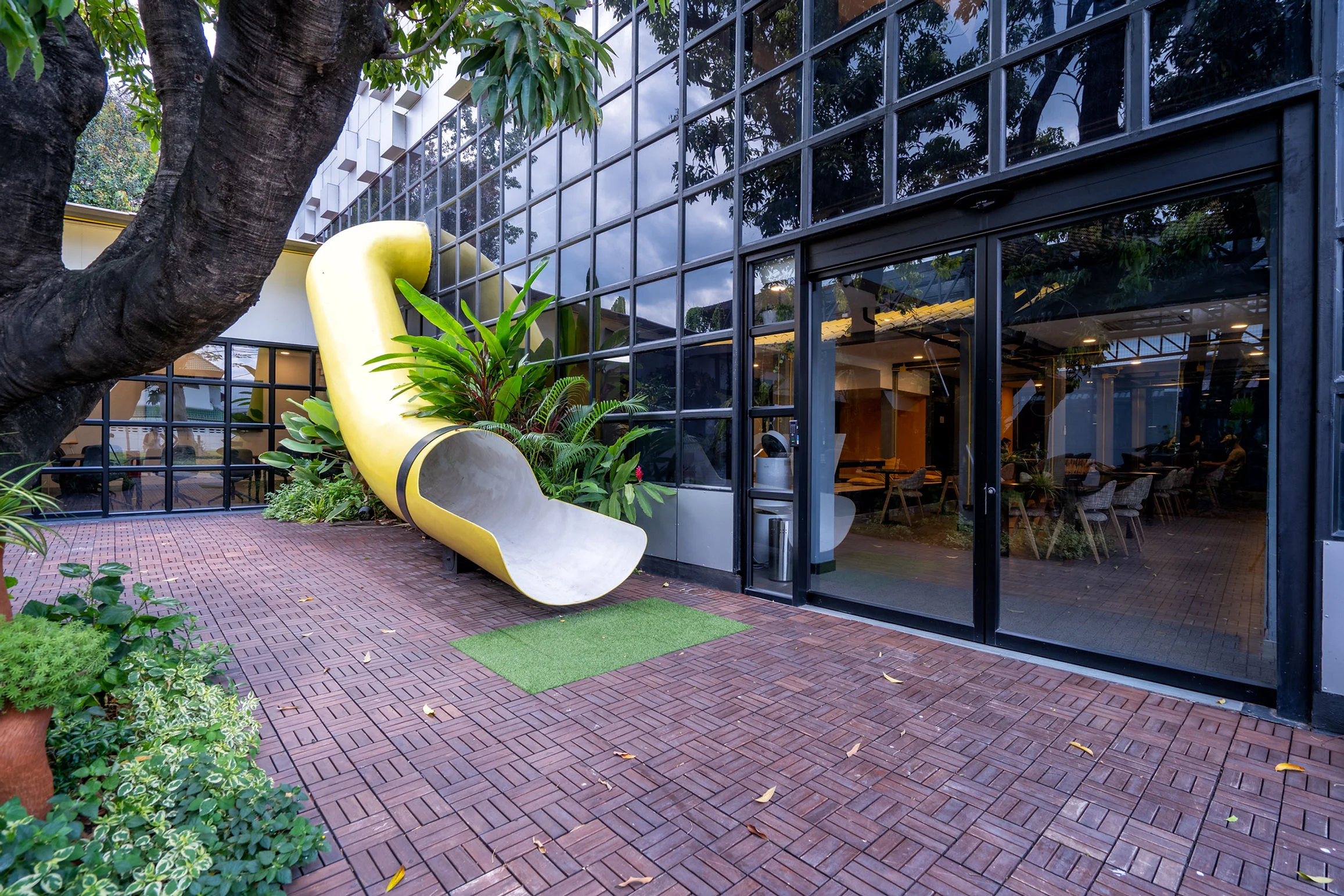
Chiang Mai has a well-developed coworking ecosystem. Punspace has multiple locations and is one of the longest-running spaces in the city. Yellow Coworking in Nimman and several newer spaces have raised the standard on infrastructure in recent years. Most offer day passes, weekly rates, and monthly memberships. Expect fast fibre, private call rooms, and a resident community of remote workers in the better spaces.
The coworking guide covers the current options by neighbourhood with speeds, pricing, and honest notes on atmosphere.
Cafes
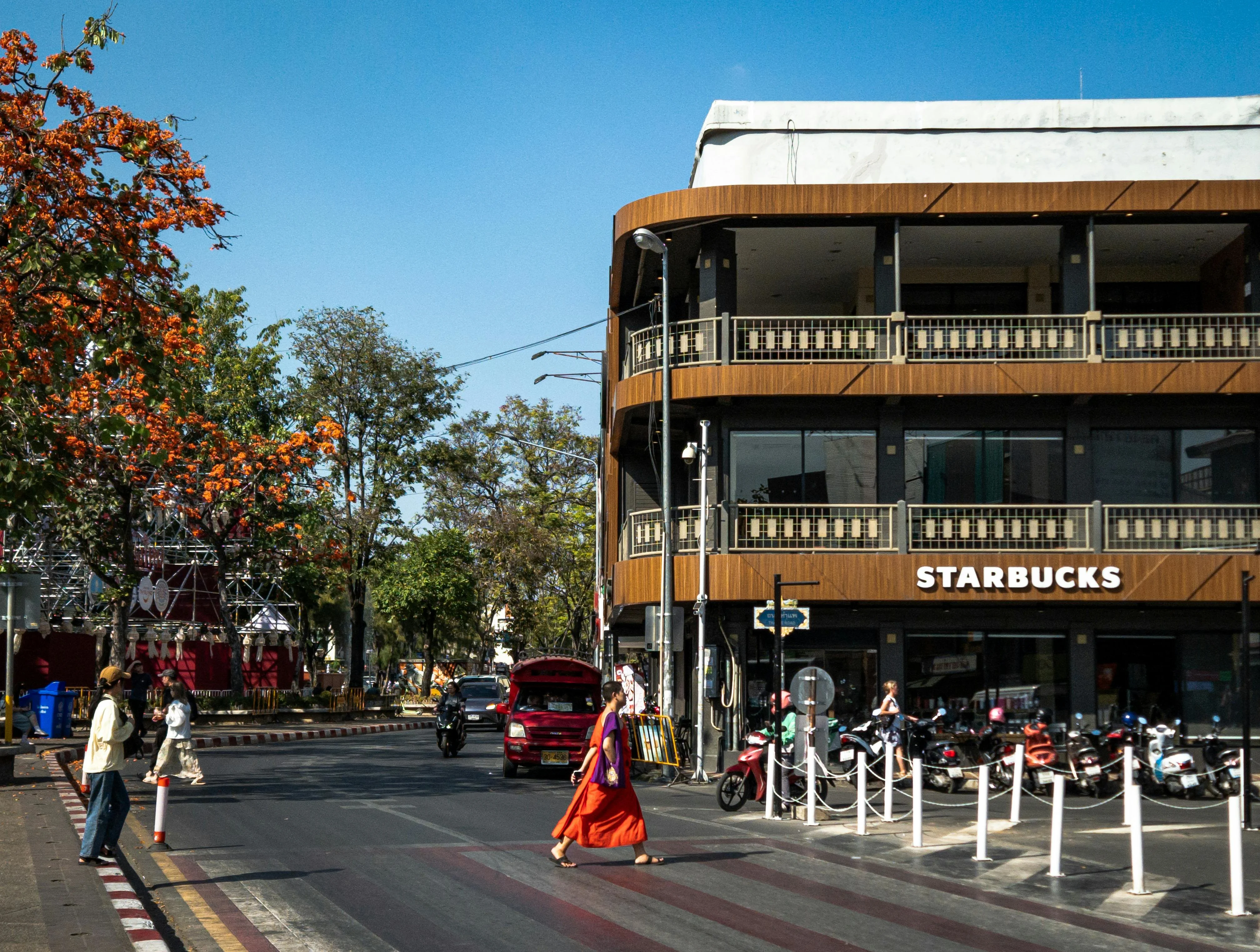
Chiang Mai has one of the highest cafe densities in Southeast Asia. Nimman is the core of it, with dozens of independent cafes within a 15-minute walk of most accommodation in the area. Most offer fibre WiFi, power at every table, and a tolerance for people sitting for three hours. The culture of working from cafes is completely normal here. Nobody will move you on.
The drawback is noise. Cafes in Nimman can get crowded mid-morning and early afternoon. If you need quiet for calls, a coworking space is the more reliable option.
Where to stay
Nimman
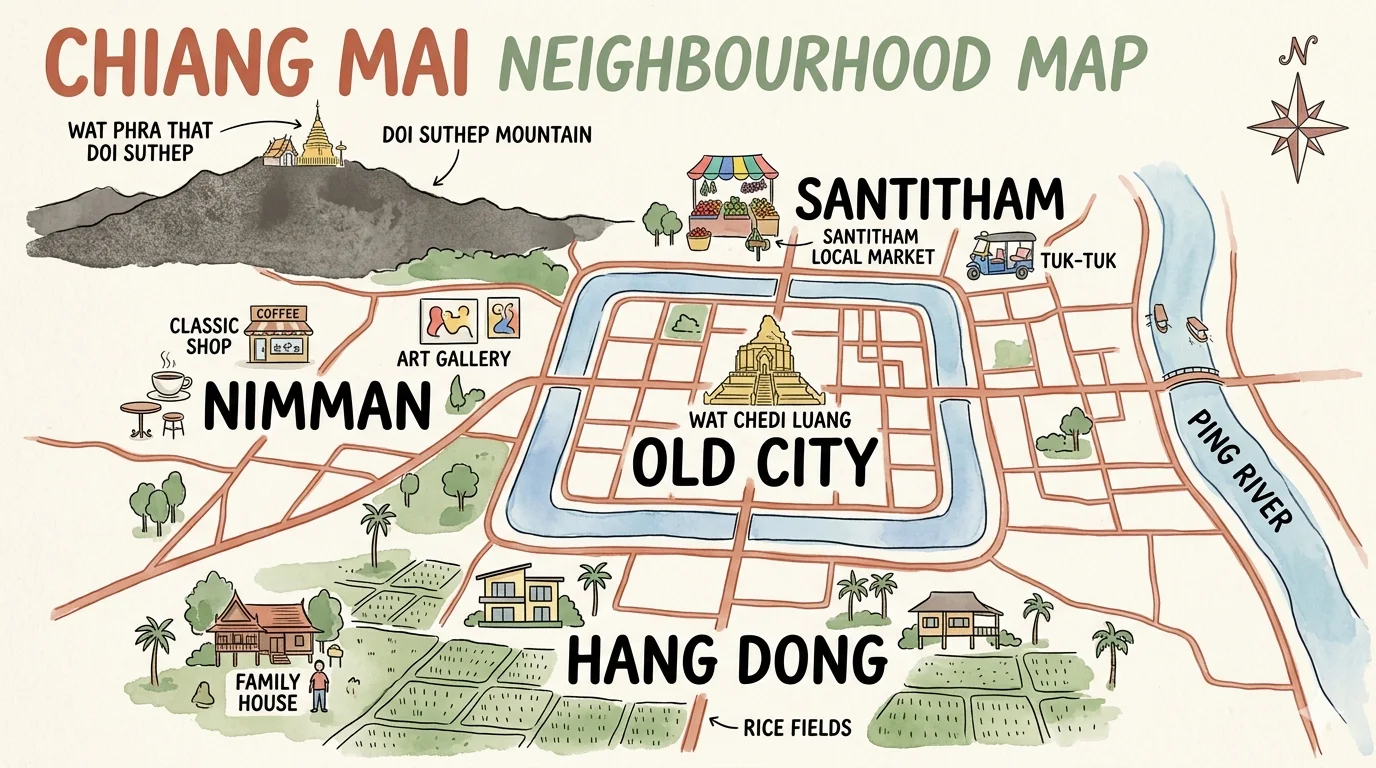
Nimman is where most remote workers end up on a first or second trip. It has the highest concentration of coworking spaces and cafes, it is walkable, and the food options cover everything from 60-baht market stalls to good international restaurants. The downside: it is the most expensive neighbourhood in the city and can feel like a loop of the same cafes and faces after a few weeks.
Old City
The Old City is quieter, cheaper, and closer to the traditional side of the city. It works well for people who want to work in the morning and spend afternoons in a place that feels more like Thailand. The coworking infrastructure is thinner here. Most people who base themselves in the Old City either work from accommodation or make the short commute to Nimman.
Santitham
Santitham is north of the moat and genuinely local in feel. Rent is lower, food is cheaper, and it is a 10 to 15-minute bike ride from Nimman. It is the choice that makes the most sense for stays of two months or longer when living costs matter more than convenience.
The neighbourhood guide covers each area in detail, including the honest tradeoffs that most guides skip.
For short stays while you find your feet, the hotel guide covers the best options across all budgets.
Getting around
Most remote workers in Chiang Mai rent a scooter. Monthly scooter rental runs around 2,500 to 4,000 THB depending on the bike and rental shop. Petrol is cheap. Parking is easy. The city is flat enough that cycling works well for most of the year, and bicycle rental is available for around 200 to 400 THB per month.
Songthaews, the red shared pickup trucks that function as the city's informal bus network, run fixed routes for 20 to 40 THB per person. Grab operates in Chiang Mai and covers most situations where you need a car. Traffic is manageable compared to Bangkok. The Old City to Nimman is a 10-minute ride on a scooter at almost any time of day.
When to come, when to think twice

October through February is the best window. Temperatures drop to comfortable levels in the evenings, the air is clear, and the city is genuinely pleasant to spend time in outdoors.
March is the burning season peak. Agricultural burning across Northern Thailand fills the valley with smoke from mid-January through March, with the worst air quality concentrated in March. AQI readings regularly exceed 150 during this period, which is in the unhealthy range. Some people work through it with air purifiers and masks. Others leave. The burning season guide covers what to expect and how to make a decision that fits your health situation and work schedule.
April and May are hot. Temperatures regularly hit 38 to 40 degrees Celsius before the rains arrive. Working from an air-conditioned space is fine. Spending time outdoors is not.
The tax conversation

This is the part most guides skip. Since January 2024, Thailand taxes foreign income brought into the country as personal income tax for anyone who spends 180 days or more in a calendar year in Thailand. The rate is progressive, running from 5% to 35% depending on net income after deductions. Thailand has double taxation agreements with more than 60 countries, which reduces the liability for many nationalities. However, the application of those agreements is not always straightforward.
The practical question for most DTV holders and long-stay nomads is whether staying under 180 days per calendar year avoids the liability entirely. At the time of writing, remaining under 180 days means you are not classified as a Thai tax resident and are taxed only on income sourced within Thailand, which for a remote worker earning from overseas is effectively zero. That is why most DTV holders structure their stays to stay under 180 days per entry.
This is an area where the rules are genuinely evolving. Get current advice from a tax professional before committing to a long stay. This is not tax advice.
What Chiang Mai is not
It is worth being direct about the things Chiang Mai does not offer. The nightlife is thin by Southeast Asian capital standards. There is no beach. The city shuts down early by Bangkok or Bali comparison. Public transport infrastructure is limited to songthaews and Grab. Healthcare is good at the private hospitals, Maharaj and Bangkok Hospital Chiang Mai being the main options, but specialist care requires Bangkok.
The burning season is a real annual disruption that affects quality of life for roughly eight to ten weeks. Anyone with respiratory conditions needs to plan around it carefully.
None of these are reasons to avoid the city. They are reasons to know what you are choosing.
Where to go from here
Chiang Mai is not the default answer for every remote worker, but for the right person it is genuinely hard to beat. Low costs, solid infrastructure, a real community, and enough going on outside work hours to make the months feel worth staying for.
The practical next steps: read the neighbourhood guide to figure out which part of the city fits your working style, check the coworking guide before you commit to a base, and read the food guide so you know where to eat once you land. If you are thinking about a longer stay, the apartment rental guide will save you time and money on the housing search.