Chiang Rai is northern Thailand at its most unhurried. The White Temple, the Golden Triangle, and the night bazaar are the headliners, but the city works best as a two or three day base for exploring the border region rather than a single-day stop from Chiang Mai.
What Chiang Rai is
Chiang Rai is 180 kilometres north of Chiang Mai and a different kind of city. Smaller, quieter, and significantly less touristified than its southern neighbour, it sits at the edge of the Golden Triangle where Thailand, Laos, and Myanmar meet. Most visitors arrive as a day trip from Chiang Mai and leave having seen only a fraction of what the area offers.
This guide covers the city honestly: what is worth your time, how long to stay, what it costs, and how to use it as a base for the wider northern border region.
When to visit
Season | Months | Weather | Notes |
|---|---|---|---|
❄️ Cool & dry | Nov to Feb | 15 to 28C, clear skies | Best time. Dec to Jan coolest — bring a layer at night |
🔥 Hot | Mar to May | 30 to 38C, smoky | Burning season affects air quality Feb to Apr |
🌧️ Wet | Jun to Oct | Warm, afternoon rain | Green scenery, fewer tourists, some roads flood |
November to February is the best window by a wide margin. The air is clear, temperatures are comfortable, and the light is good for photography at the temples. February to April brings agricultural burning that fills the valley with smoke — air quality during this period is the worst in Thailand. The wet season from June to October brings green mountain scenery and much lower visitor numbers, but some mountain roads become difficult.
Getting there
From | Option | Time | Cost |
|---|---|---|---|
Bangkok | Flight (AirAsia/Nok Air, Don Mueang) | 1 hr 20 min | 600 to 2,000 baht |
Chiang Mai | Bus from Arcade Bus Terminal | 3 hours | 150 to 180 baht |
Chiang Mai | Shared minivan from Chang Puak Terminal | 3 hours | 180 to 220 baht |
Chiang Mai | Private transfer or rental car | 3 hours | 1,500 to 2,500 baht |
The bus and minivan from Chiang Mai are the standard approach for most visitors. The road is comfortable and passes through mountain scenery north of Chiang Mai that is worth watching. The first bus from Arcade typically departs at 6:30am. Flying from Bangkok is the fastest option and worth it on a time-limited trip.
How long to stay
Two nights is the minimum for seeing the main temples and the Golden Triangle without rushing. Three nights is better and allows a day trip to the Mekong at Chiang Saen or a morning at the Doi Tung Royal Villa. Day trips from Chiang Mai are possible but compress everything into an uncomfortable 10-hour circuit. The city rewards staying.
What to see
Attraction | Time needed | Notes |
|---|---|---|
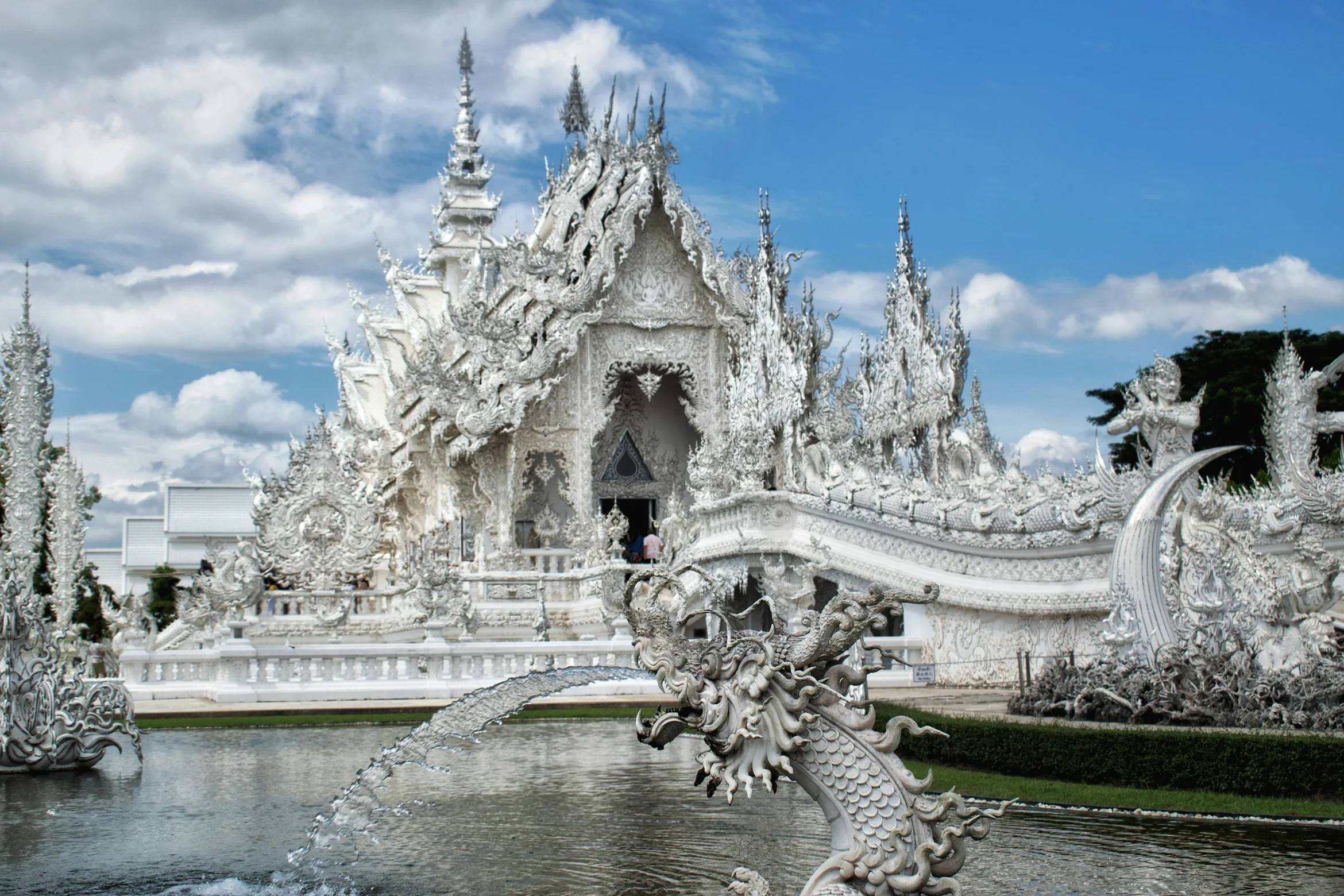
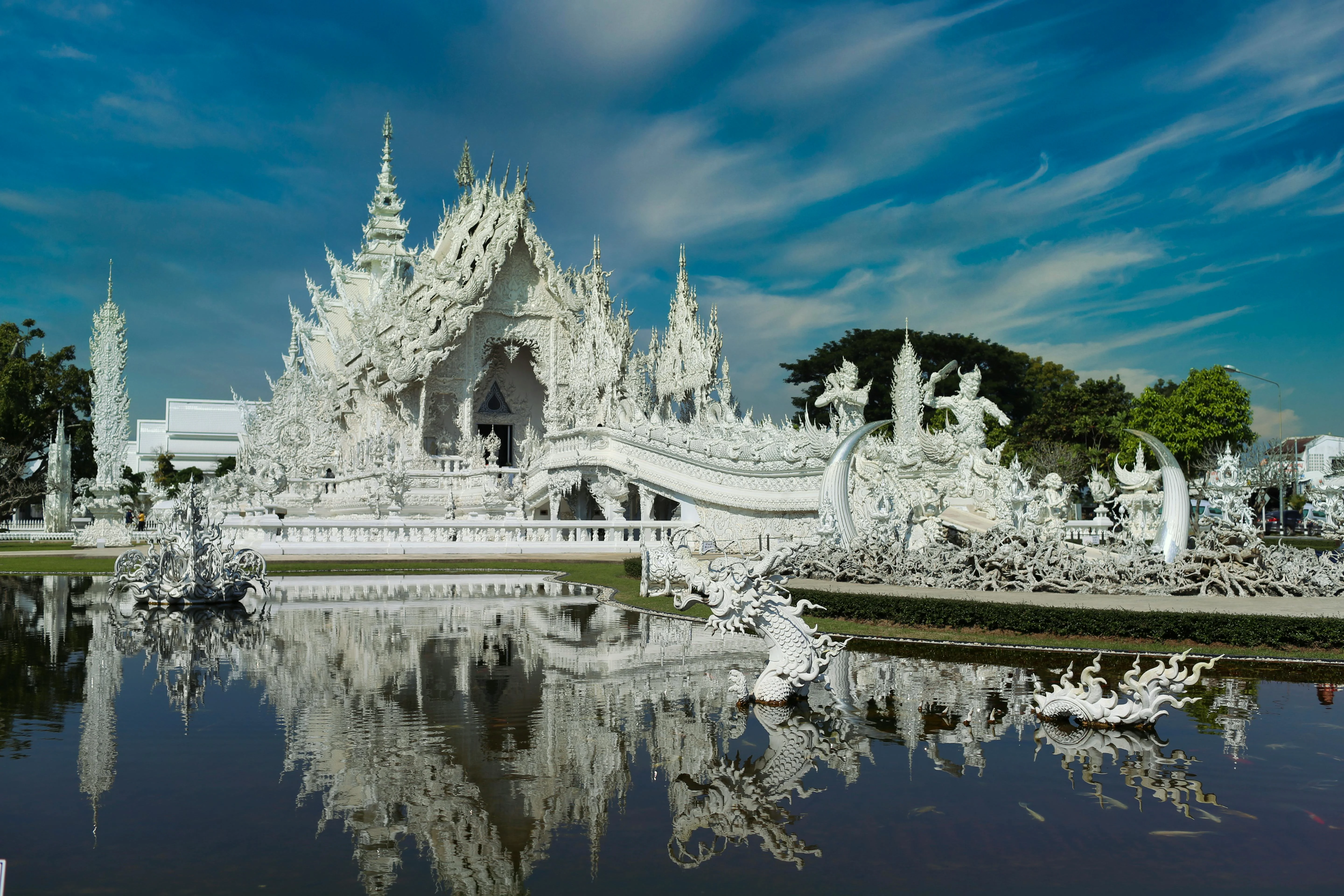
🏛️ White Temple (Wat Rong Khun) | 1.5 to 2 hours | Go first thing — crowds arrive by 9am. Entry 100 baht. |
🔵 Blue Temple (Wat Rong Suea Ten) | 45 minutes | Less visited, comparable visual impact. Free entry. |
🖤 Baan Dam (Black House) | 1 to 1.5 hours | One of the most unusual art collections in Thailand |
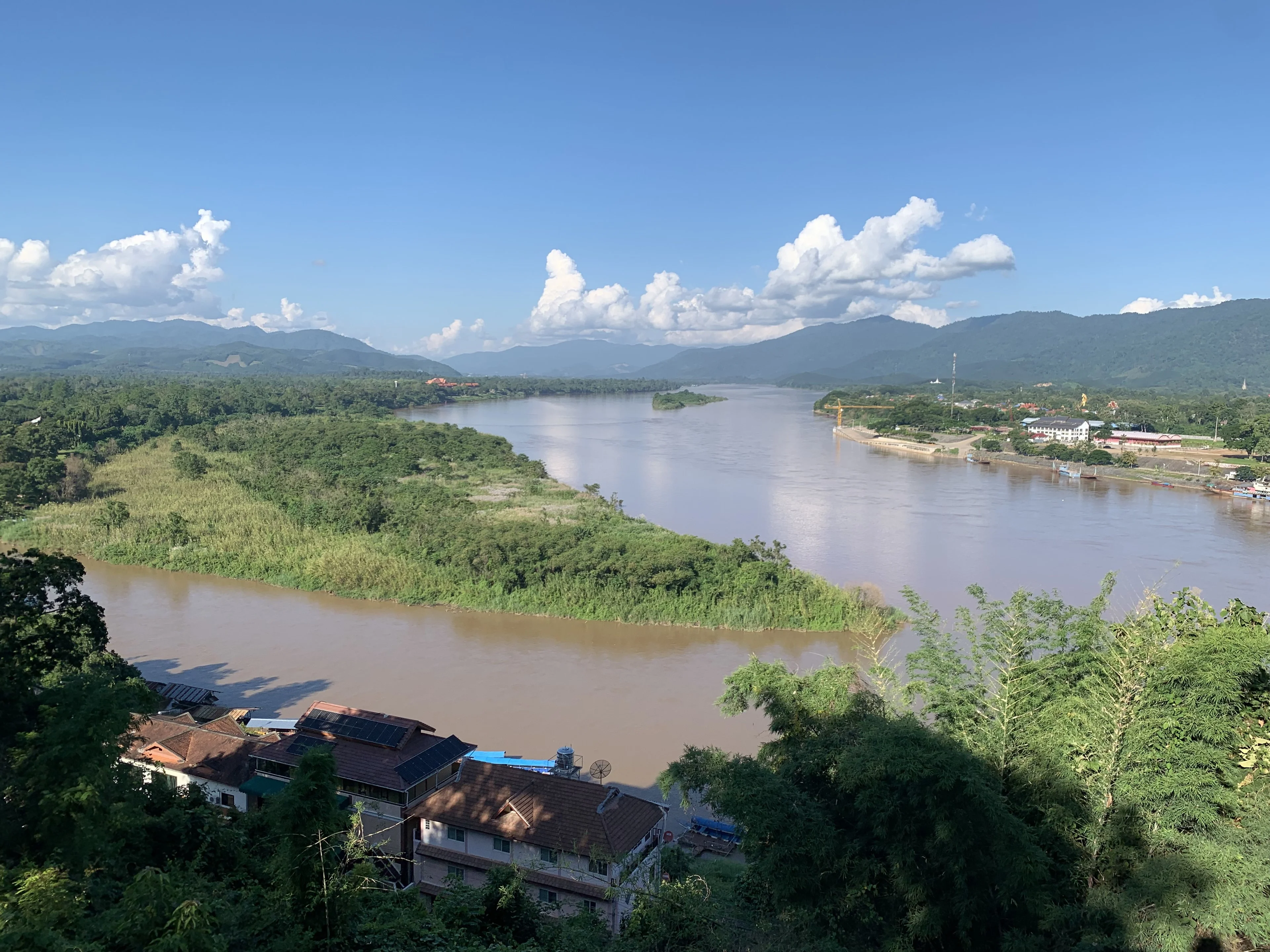
🌅 Golden Triangle viewpoint | 1 hour | Where Thailand, Laos, and Myanmar meet. Touristy but worth it. |
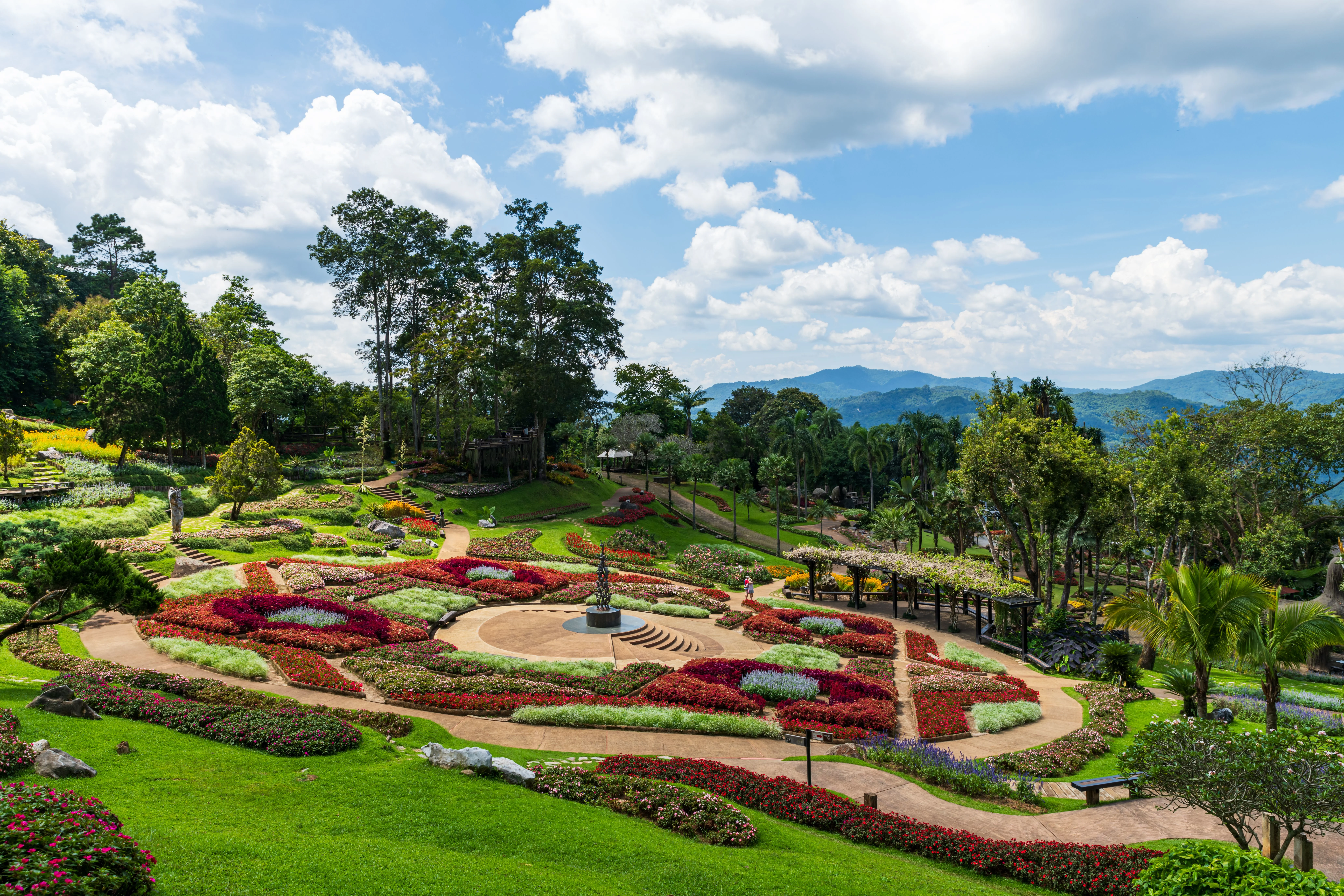
☕ Doi Chaang / Doi Tung coffee villages | Half day | Mountain drive, good coffee, Royal Project scenery |
🏯 Chiang Saen | Half day | Ancient walled city on the Mekong, quieter than the city |
The White Temple deserves the first morning of any visit — light is better and crowds are manageable before 9am. The Blue Temple opened in 2016 and is less visited than Wat Rong Khun with comparable visual drama. Baan Dam is the personal collection of artist Thawan Duchanee and is genuinely unlike anything else in Thailand. For the full guide to each attraction with practical details, read Best Things to Do in Chiang Rai.
Food and night markets
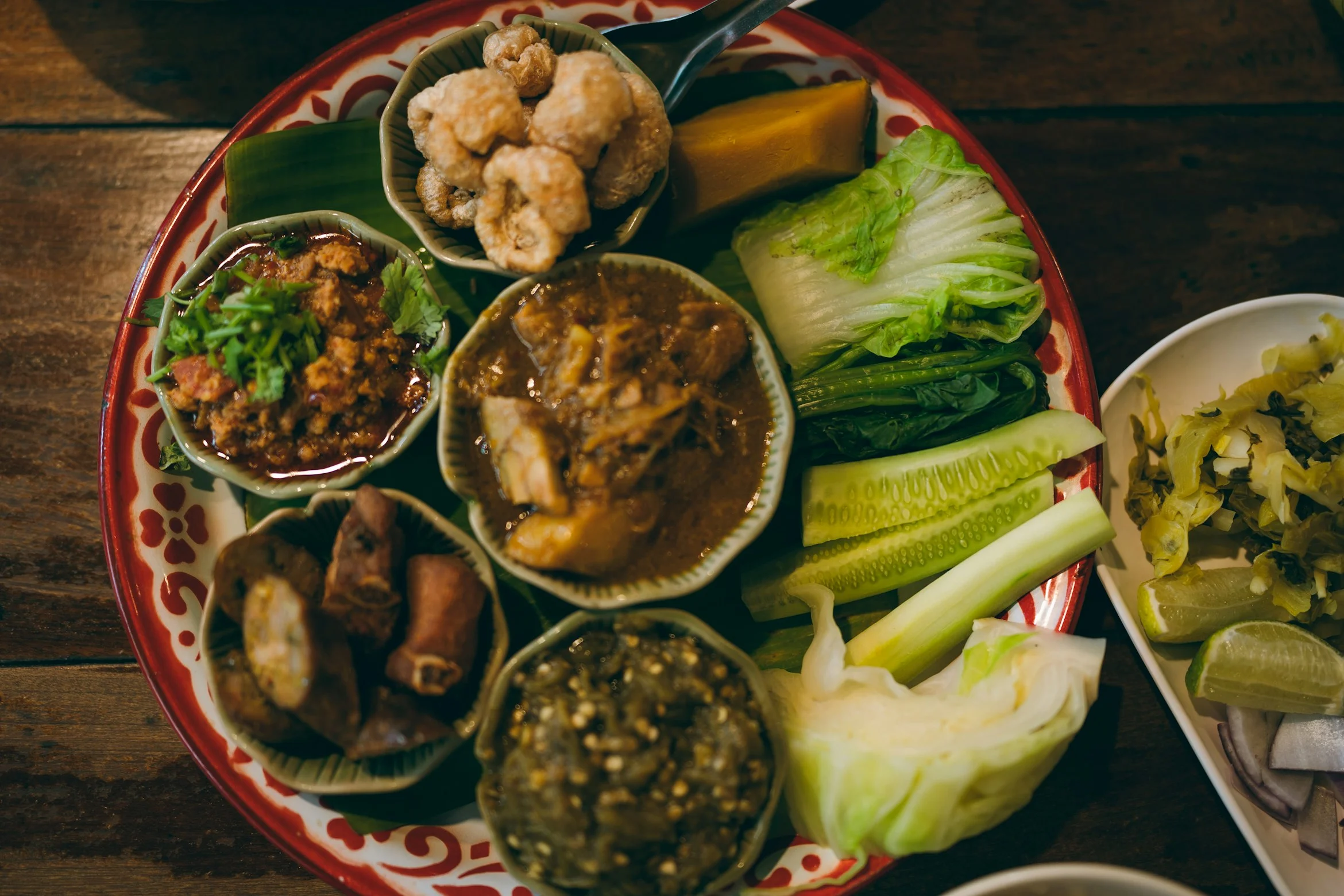
The Chiang Rai Night Bazaar on Phahonyothin Road runs from around 6pm to 10pm daily. The food section covers northern Thai dishes, grilled meats, and fresh fruit at local prices. It is a reliable evening option but not the most interesting market in the city.
The Saturday Walking Street on Thanalai Road is the better food event. More local vendors, less tourist merchandise, and a wider range of northern Thai dishes. It runs from late afternoon and is worth timing your Saturday around if you are in town. For the full food guide including specific dishes and where locals eat, read the Chiang Rai Food Guide.
What Chiang Rai costs
Chiang Rai is cheaper than Chiang Mai across almost every category, which makes it an underrated option for longer stays.
Expense | Cost |
|---|---|
Budget guesthouse | 300 to 700 baht/night |
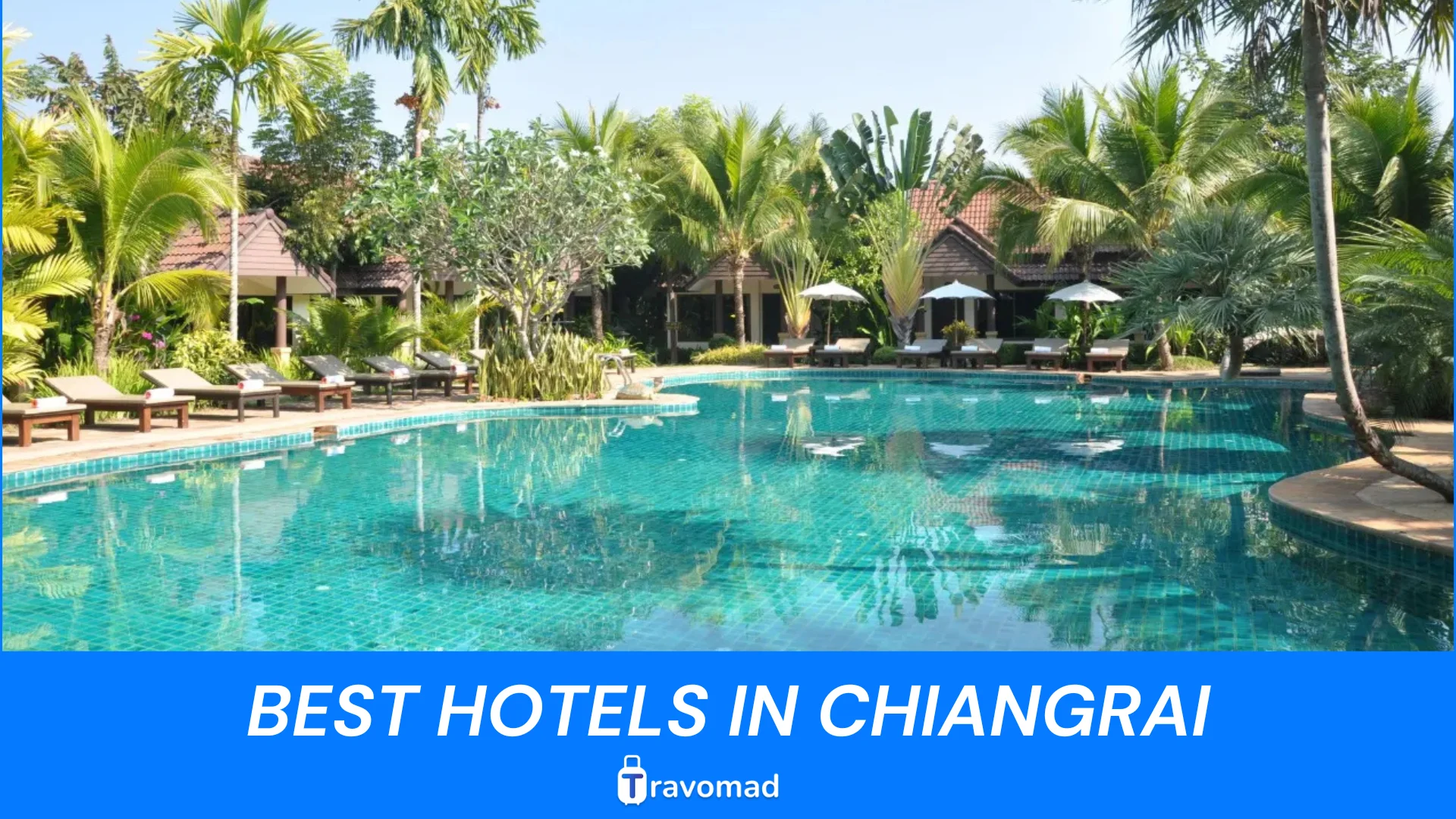
Mid-range hotel with pool | 800 to 2,000 baht/night |
Local meal at night bazaar or shophouse | 60 to 120 baht/dish |
Tuk tuk around the city | 60 to 120 baht/trip |
Motorbike rental | 200 to 300 baht/day |
White Temple entry | 100 baht |
Daily budget (excl. accommodation) | 800 to 1,500 baht/person |
For longer stays, monthly costs run 20,000 to 35,000 baht for a comfortable life — lower than any other city in Thailand with comparable infrastructure. The trade-off is limited specialist healthcare and a smaller expat community. For the detailed comparison with Chiang Mai on cost and lifestyle, read Chiang Rai vs Chiang Mai.
Chiang Rai vs Chiang Mai
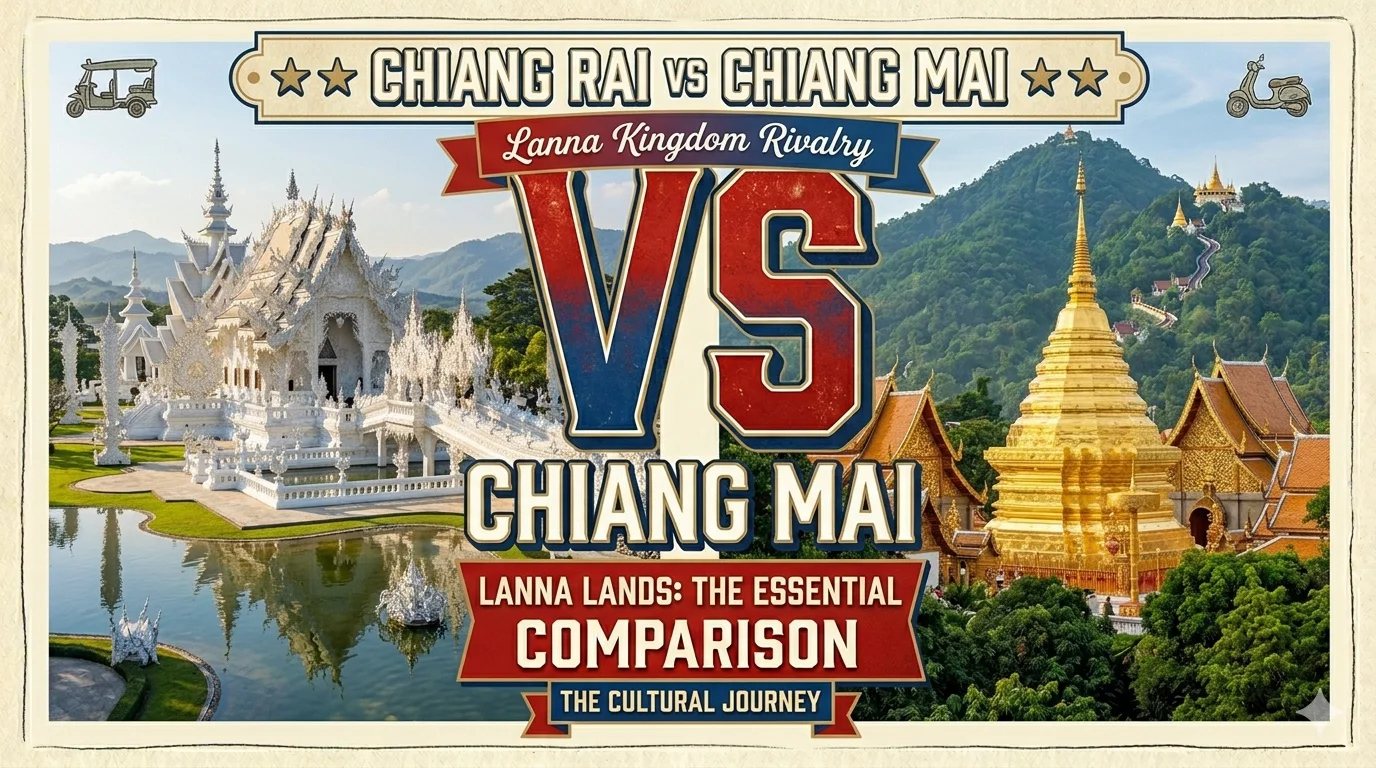
Chiang Mai has more infrastructure, a larger nomad community, better coworking options, and significantly more restaurant variety. Chiang Rai has the White Temple, the Golden Triangle, and a pace that Chiang Mai lost sometime in the 2010s. The air quality issue from February to April affects both cities, but Chiang Rai can be worse due to its valley position and proximity to Myanmar border burning.
For visitors based in Chiang Mai who want a single-day visit, the Chiang Rai day trip guide covers how to structure it efficiently. For anyone considering Chiang Rai as a base, the honest answer is that it suits people who specifically want a quieter life at lower cost and do not need Chiang Mai's nomad infrastructure.
Where to go from here
Chiang Rai sits at the meeting point of three countries and connects to a wider region most visitors never explore. These guides cover what comes next.
For the temples and attractions in detail: Best Things to Do in Chiang Rai covers the White Temple, Blue Temple, Baan Dam, and the Golden Triangle with practical timings and entry costs.
For food: the Chiang Rai Food Guide covers the night bazaar, the Saturday Walking Street, and the coffee villages on the mountain road north.
For the Chiang Mai comparison: Chiang Rai vs Chiang Mai covers cost, infrastructure, community, and which city suits which type of person.
For a day trip structure: the Chiang Rai day trip from Chiang Mai guide covers how to hit the main temples and Golden Triangle in a single day without a car.
For the wider Chiang Mai base: the Chiang Mai destination guide covers the city most visitors use as their northern Thailand anchor.