Best Things to Do in Chiang Rai: Beyond the Temples
Everyone arrives for the White Temple and leaves wishing they had stayed longer. The border region north of Chiang Rai, the Yunnanese mountain town of Mae Salong, the Mekong river road, and Doi Tung's royal mountain project are what make two nights here worth the detour from Chiang Mai.
This guide covers what to do, how long each site actually takes, and how to structure the days so nothing is wasted.
The Golden Triangle
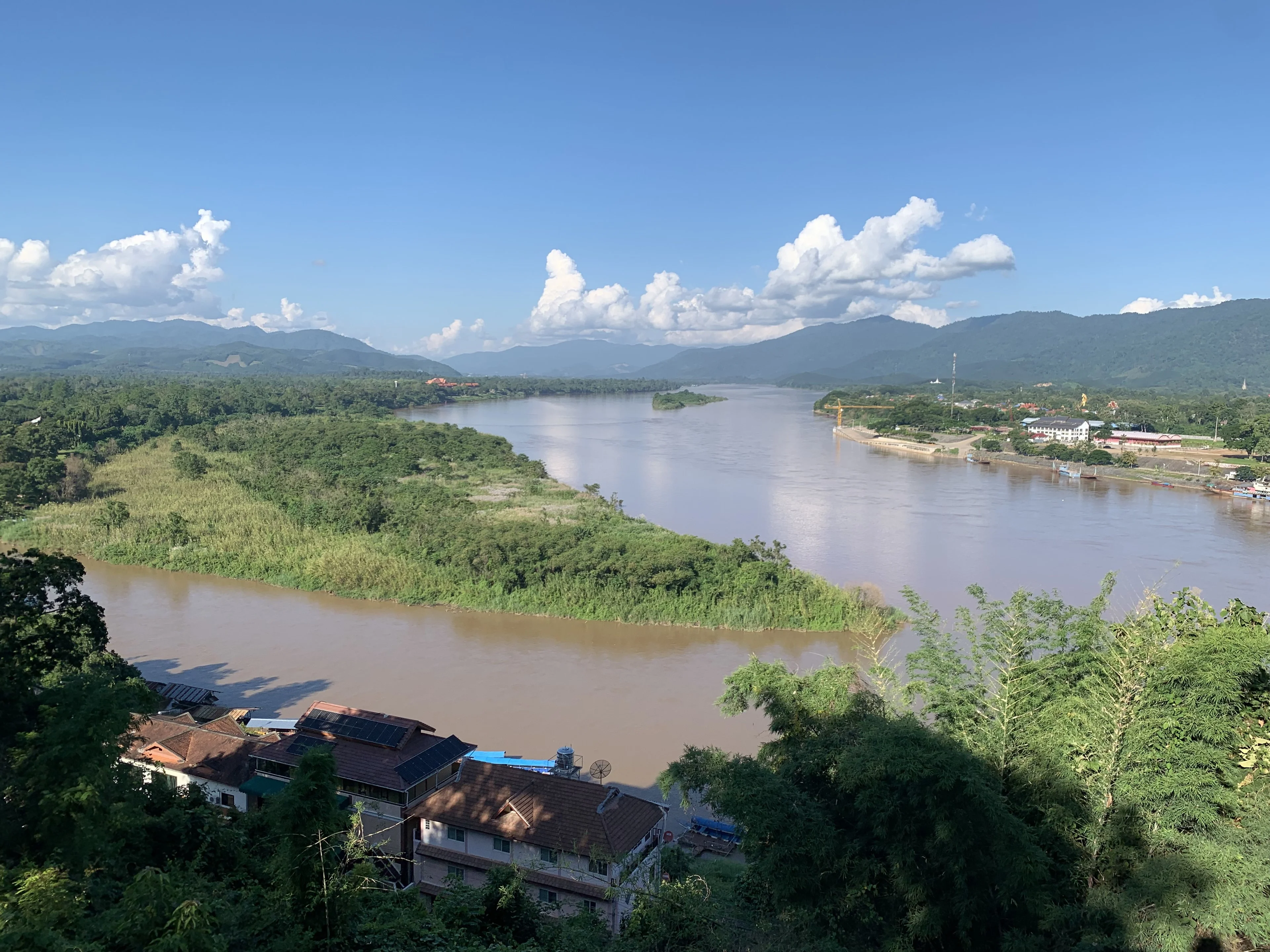
The Golden Triangle is the border zone where Thailand, Laos, and Myanmar converge at the point where the Ruak River meets the Mekong. For most of the 20th century it was the world's largest opium-producing region. The trade has largely shifted to Myanmar's Shan State but the mythology has stayed.
The viewpoint at Sop Ruak sits 60 kilometres north of Chiang Rai. From the elevated platform you can see across the Mekong to the Lao village opposite and the forested hills of Myanmar to the northwest. There is a golden Buddha statue, a cluster of souvenir stalls, and casino boat signs pointing toward the Lao and Myanmar banks where the gambling operations actually sit. The viewpoint takes 20 minutes to see properly. Do not come here without building the rest of the day around it.
What to combine it with: The Hall of Opium museum, four kilometres south of the viewpoint near the Anantara resort, is the most substantive thing in the entire border region. Entry costs 200 baht and the museum takes one to two hours. It covers the botany of the poppy, the colonial opium trade, and the Royal Project's crop-substitution programs in genuinely well-designed exhibits. The viewpoint is the photo stop. The Hall of Opium is the reason the day is worth making.
Chiang Saen, 30 kilometres south of the viewpoint on the Mekong river road, adds two hours of northern Thai history that predates Chiang Mai's founding. The 14th-century Wat Chedi Luang ruins, the old city walls, and the riverside morning market are all within walking distance of each other. The morning market serves local food at local prices and closes by 9am.
Timing and transport: The drive from Chiang Rai takes 1.5 hours on Highway 1 through Chiang Saen. A rented scooter is the most flexible option for independent travellers: the road is good, the distance is manageable, and it allows river road stops that a car skips. The full circuit from Chiang Rai including Chiang Saen, the Hall of Opium, the viewpoint, and Mae Sai takes seven to eight hours at a comfortable pace. Entry to the viewpoint area is free. Hall of Opium is 200 baht.
For the full breakdown of every stop on the circuit, read The Golden Triangle: What It Is and Whether It Is Worth the Drive.
Mae Sai: Thailand's Northernmost Border Town
Mae Sai sits 65 kilometres north of Chiang Rai at Thailand's northernmost land border crossing into Myanmar. The town itself is functional rather than scenic, but the border market is the draw: goods from Myanmar, China, and the Shan State at prices that undercut Chiang Rai city across most categories. Lacquerware, jade, gemstones, dried goods, and Shan textiles are the things worth looking at. The quality varies significantly and negotiating is expected.
The Tachileik crossing on the Myanmar side has historically allowed foreigners a day visit for a 500-baht fee. Border crossing arrangements change without notice. Check the current status before building any Myanmar component into your day.
Timing and transport: Mae Sai pairs naturally with the Golden Triangle circuit. From the Sop Ruak viewpoint, Mae Sai is 10 kilometres further north. Budget one to two hours for the market. The drive from Chiang Rai directly is about one hour each way.
Doi Tung: The Royal Mountain Project
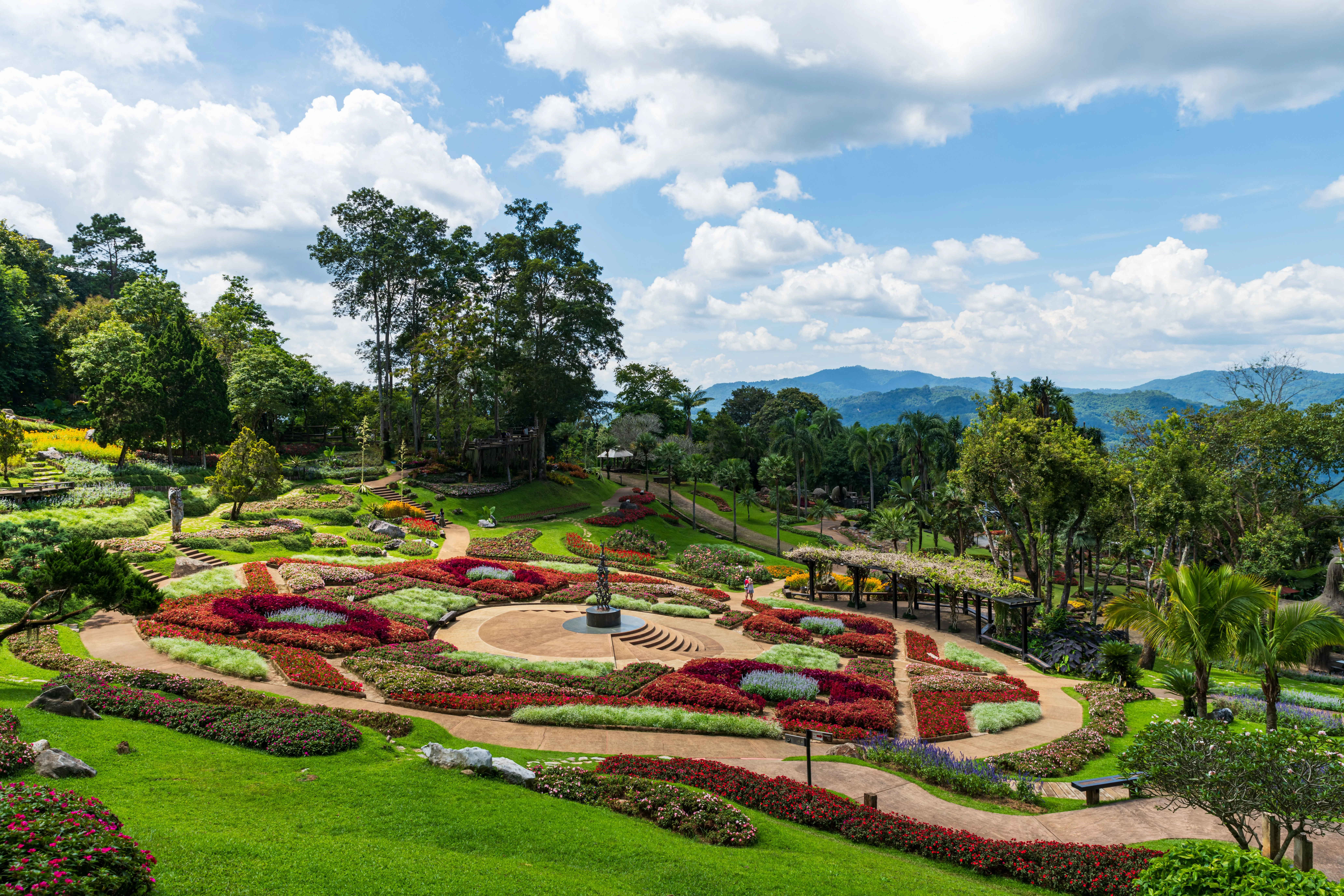
Doi Tung sits at around 1,500 metres in the hills 40 kilometres northwest of Chiang Rai. The late Princess Mother initiated the project in 1988 to replace opium farming in the hill tribe communities of the border highlands with sustainable alternatives: coffee, macadamia, and cut flowers.
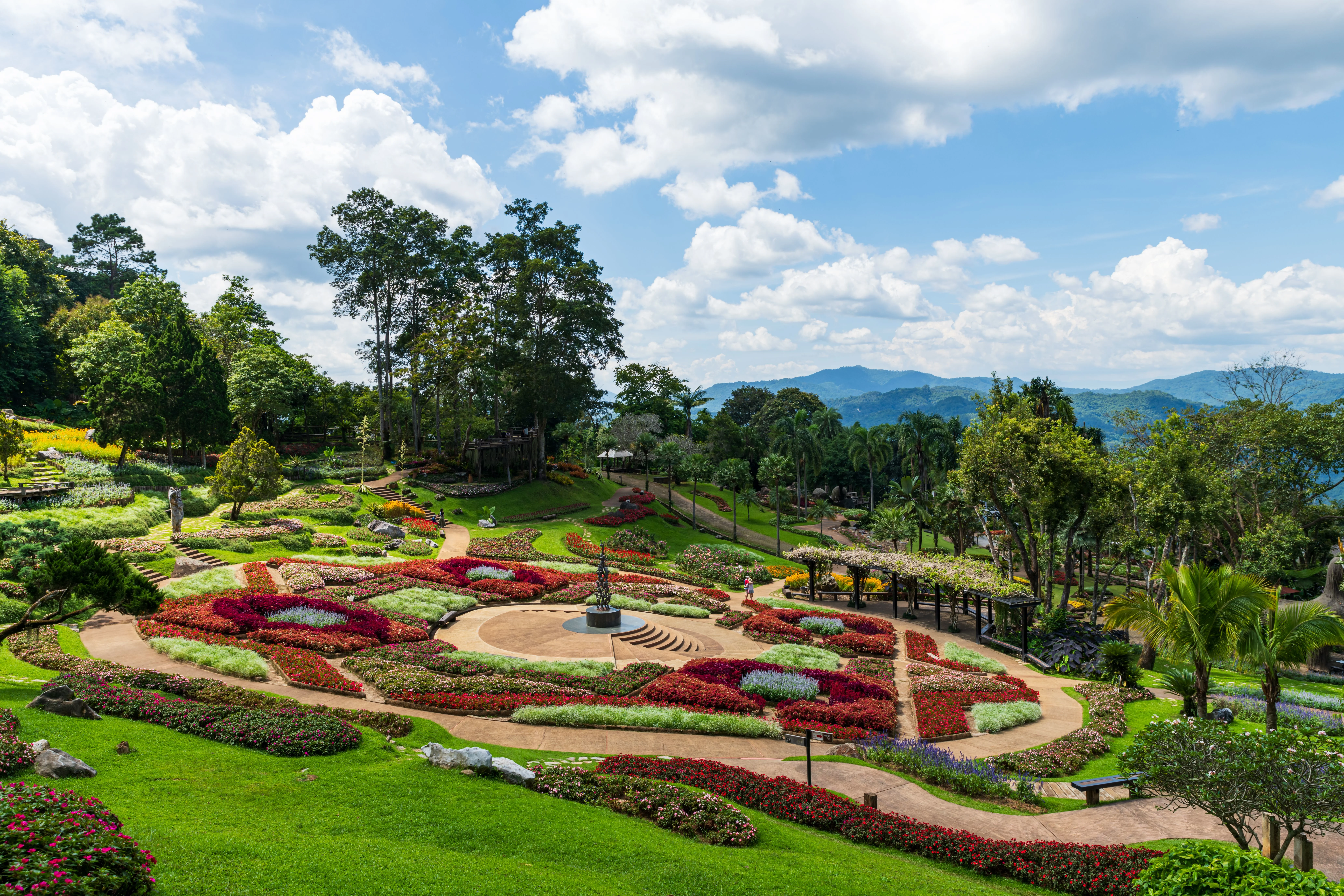
The project now covers three main attractions. The Royal Villa is the Princess Mother's former mountain residence, preserved as it was during her lifetime with original furniture and personal effects. Entry is 90 baht. The Mae Fah Luang Garden below it is the most formally maintained garden in northern Thailand, covering terraced hillside with seasonal flower displays. Entry is 100 baht. The Doi Tung Development Project cafe and restaurant on the grounds serves coffee and food grown on the project's own farms. The macadamia products and single-origin coffee are worth buying here rather than at souvenir shops elsewhere.
The drive up the mountain from Chiang Rai takes 1.5 hours and the road switchbacks through forest that becomes noticeably cooler as you climb. Most group tours from Chiang Mai skip Doi Tung because the mountain adds time that does not fit a standard nine-hour itinerary. For travellers based in Chiang Rai for two nights, Doi Tung works as a standalone half-day excursion or as the morning component of a Mae Salong day that continues west.
Timing and transport: By scooter from Chiang Rai, allow 30 minutes for the base road, then 30 minutes of mountain switchbacks to the top. Budget three to four hours for the villa, garden, and lunch combined. The road is paved and manageable on a standard scooter.
Mae Salong: The Yunnanese Mountain Town
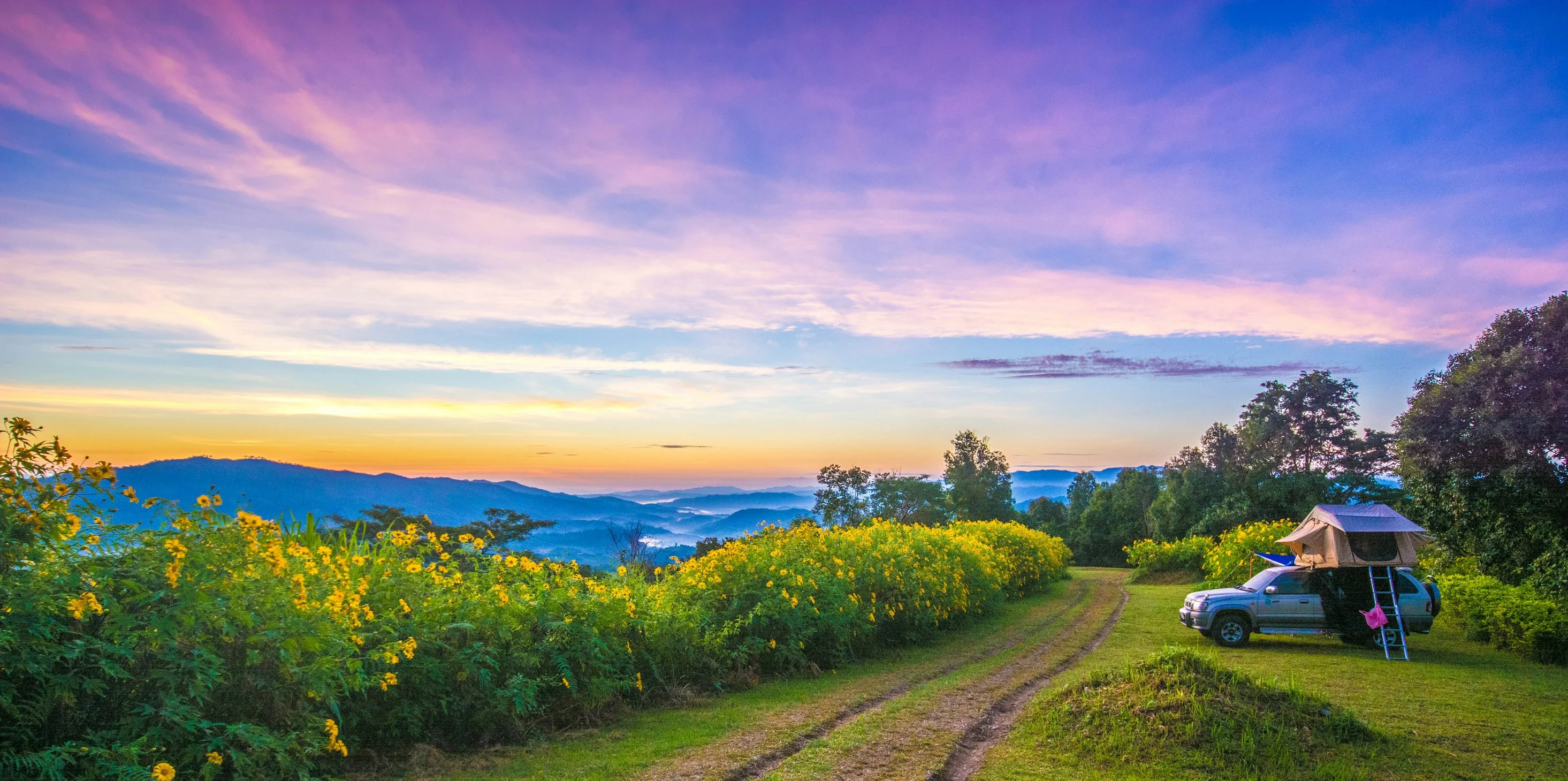
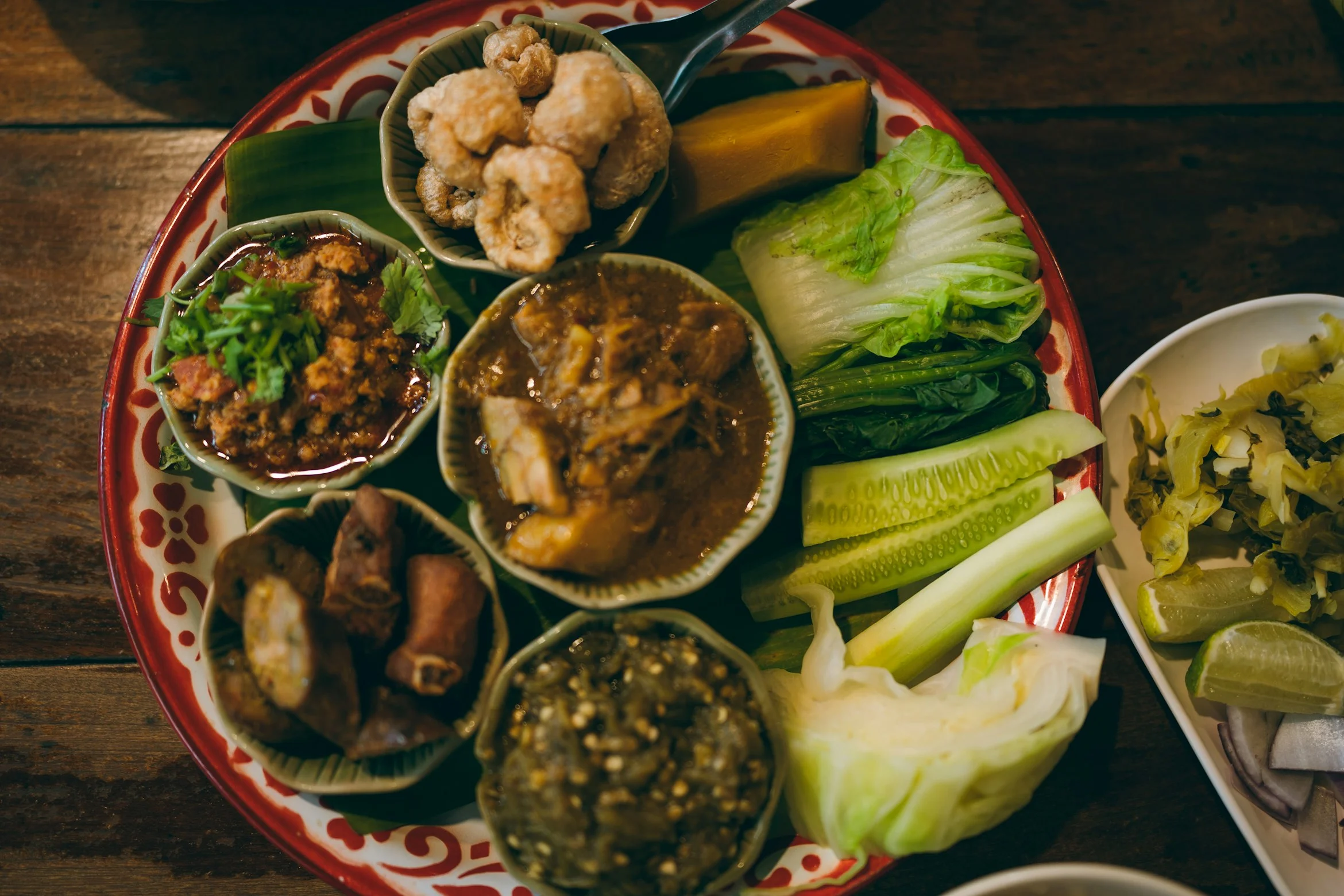
Mae Salong is the most unexpected place in northern Thailand. The town sits at 1,200 metres in the Doi Mae Salong hills, settled in the 1960s by Kuomintang soldiers who retreated from Yunnan after the Chinese civil war and were eventually granted Thai residency. The result is a mountain town that looks and tastes distinctly Chinese: Mandarin is spoken as widely as Thai, the signage mixes both languages, and the restaurants serve Yunnanese pork dishes, hand-pulled noodles, and preserved vegetables that exist nowhere else in Thailand at this concentration.
The tea plantations covering the surrounding hills produce some of Thailand's best Arabica and oolong, grown at altitude on farms run by the same families that arrived from Yunnan sixty years ago. The morning market operates before 7am and is finished by 8am, selling produce, dried goods, and tea from the hill farms. Tea shops on the main street sell direct from the farms with tastings. The higher elevation oolongs are the ones worth bringing back.
The town itself takes two to three hours to walk through properly: the main street, a temple with Yunnanese architecture on the hill above, and the viewpoint over the tea terraces. There is no entry fee for anything. The pace is slow and that is the entire point.
Timing and transport: Mae Salong is 70 kilometres from Chiang Rai, about 1.5 hours by road. The final section climbs steeply and is best done by car rather than scooter if you are not comfortable on mountain roads. It works as a standalone day trip or as a combination with Doi Tung if you start early. Almost no group tours from Chiang Mai include it, which is the reason the town still feels like a genuine discovery.
Chiang Saen: The Ancient Walled City
Chiang Saen deserves more time than it gets as a drive-through on the way to the Golden Triangle. The old city walls still stand along the Mekong riverbank and the 14th-century Wat Chedi Luang within them is one of the better-preserved ancient temple ruins in the north. The Chiang Saen National Museum covers the kingdom's history from before Chiang Mai's founding through to the Burmese invasions of the 18th century. Entry is 100 baht and the museum takes about an hour.
The riverside in the morning has local food stalls where the Mekong is visible across to the Lao bank. The slow boats that once carried goods between Thailand and China still moor here, though the trade route has largely shifted to road. Budget two hours for the ruins and museum, plus time for a river-facing lunch before continuing north to the Golden Triangle.
Timing and transport: Chiang Saen is 60 kilometres from Chiang Rai on Highway 1, about one hour by road. It fits naturally as the first stop on a Golden Triangle circuit day, hitting the riverside market before it closes and the ruins before the midday heat.
Muay Thai: Try a Session
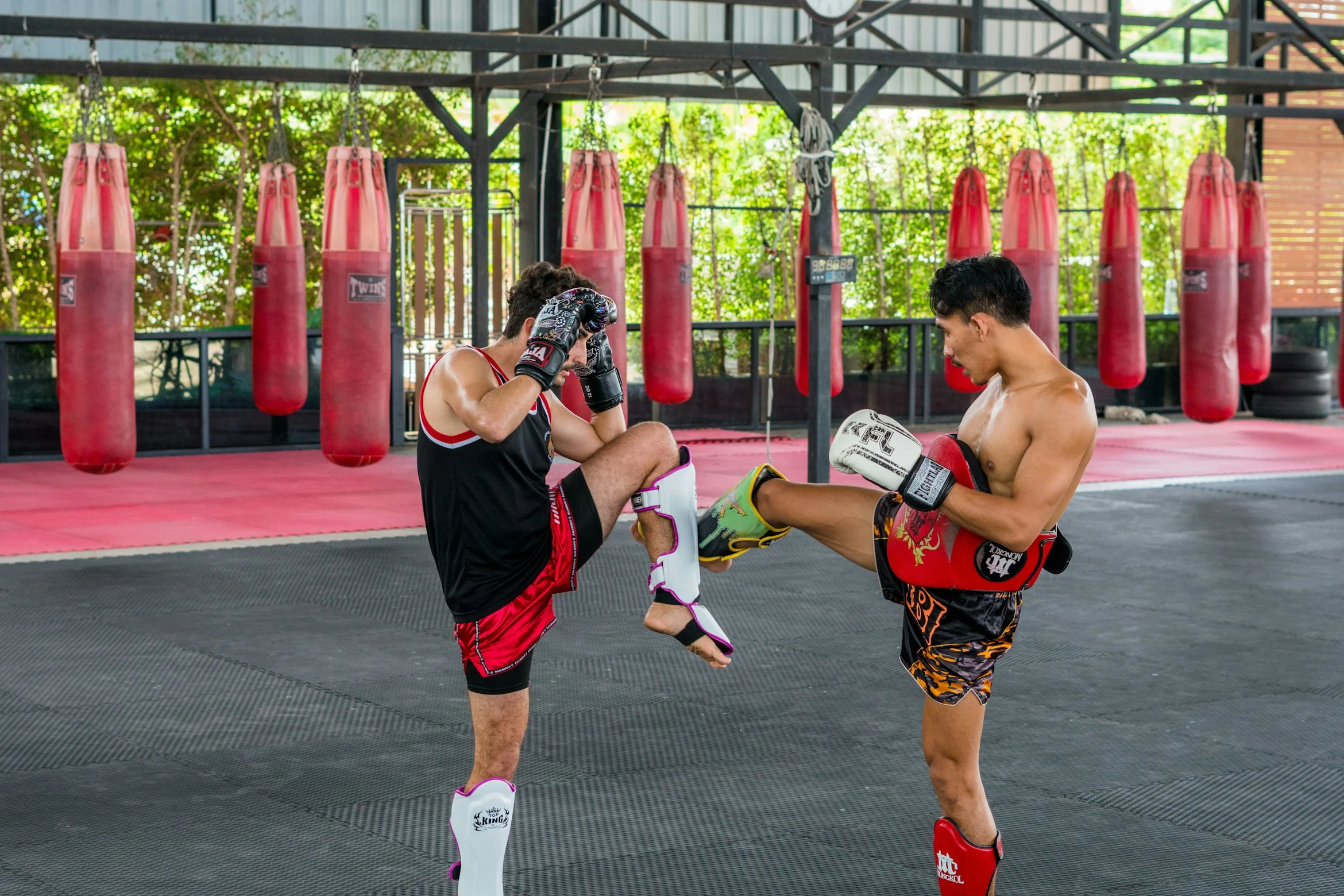
For a half-day that has nothing to do with temples or border crossings, Chiang Rai has beginner Muay Thai sessions that run as standalone experiences. Classes cover the basic stance, guard, and striking combinations in a format designed for people who have never trained before. The sessions run two to three hours and are physically demanding enough to justify the rest of the afternoon at a riverside cafe.
Ask your hotel for the current recommended gym in the city. Chiang Rai's training scene is smaller than Chiang Mai's but the sessions are more personal because the class sizes are smaller.
Hill Tribe Villages
The hill tribe communities of the Chiang Rai border region, including Akha, Karen, and Hmong villages, appear on most group tour itineraries. Villages that have been on circuit for years are often staged for visitors in ways that reduce them to photo opportunities. The better approach is visiting community craft workshops that sell directly, or combining a border market stop with a village visit arranged through a guide who works with the community rather than for a tour company.
The Karen Long Neck villages near Mae Hong Son and the Chiang Rai border are the most commercially developed. If the cultural exchange matters to you more than the photograph, research which specific villages operate community-run tourism before booking.
How to Structure the Days
🌙 Two Nights in Chiang Rai:
📅 Day 1
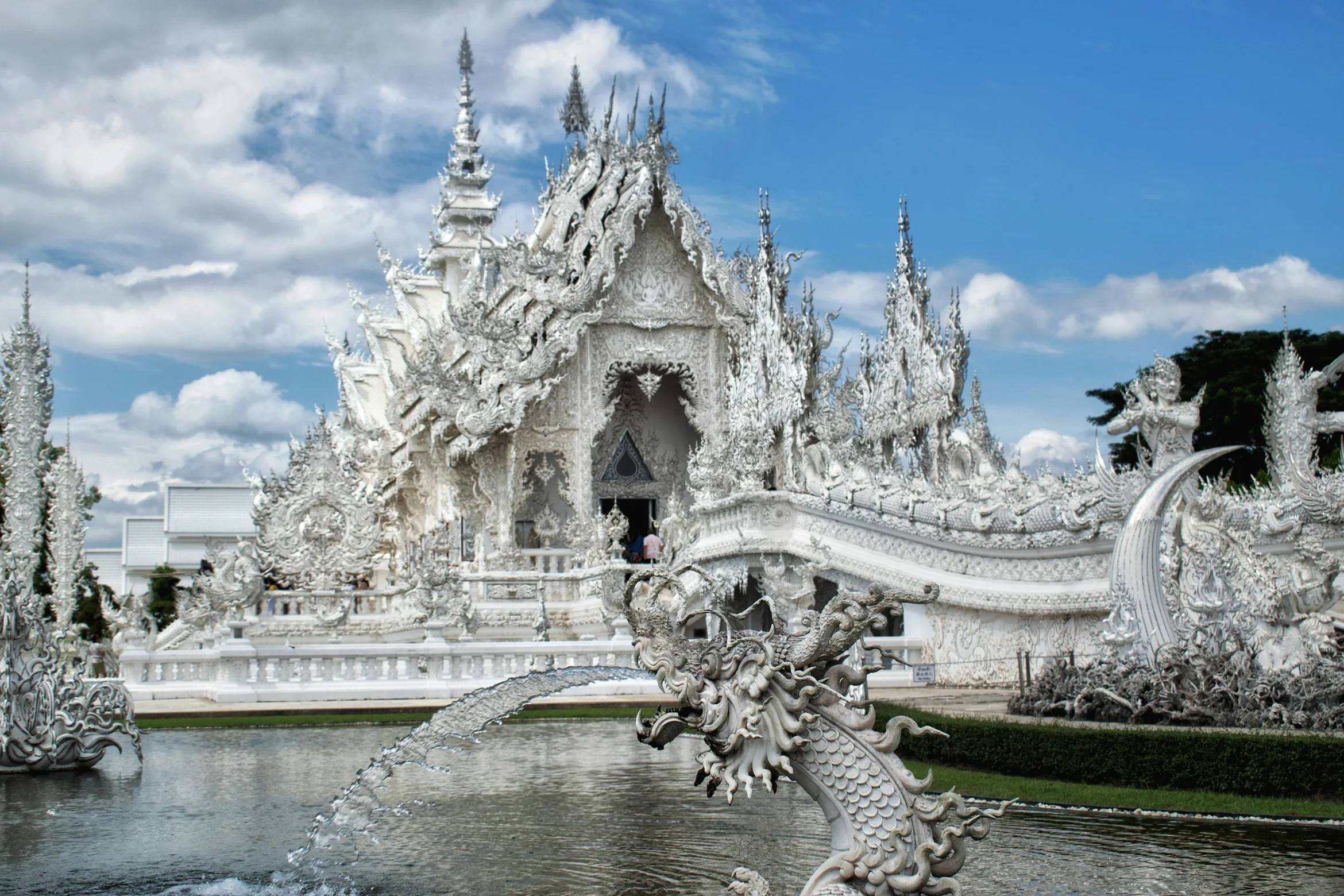
🤍 White Temple before 9am
💙 Blue Temple mid-morning
🖤 Baan Dam before lunch
🍜 Phu Lae for northern Thai food
🏮 Night Bazaar in the evening
📅 Day 2
🛵 Golden Triangle circuit by scooter or rental car
⏰ Leave by 8am
🌅 Chiang Saen morning market
🏛️ Hall of Opium
👁️ Sop Ruak viewpoint
🛍️ Mae Sai border market
🏠 Return by early evening
📅 Day 3 (if you have it)
🍵 Mae Salong for the Yunnanese food and tea
👑 Doi Tung for the royal project and mountain gardens
💡 Combining both in one day is possible if you start before 8am
🚗 Getting Around
👨✈️ Day-hire driver: 1,000–1,500 baht, covers multiple sites comfortably
🛵 Rented scooter: 200–300 baht per day, best flexibility for the border circuit
📱 Grab works in the city centre but is unreliable for surrounding attractions
Where to Go from Here
For where to eat between days: Chiang Rai Food Guide: The Night Bazaar and Beyond.
For where to stay: Best Hotels in Chiang Rai 2026.
For whether to base in Chiang Rai or Chiang Mai: Chiang Rai vs Chiang Mai: Which One Should You Visit?.
For the complete destination overview: Chiang Rai Travel Guide 2026.