The Golden Triangle: What It Is and Whether It Is Worth the Drive
The viewpoint takes 20 minutes. The drive to get there is the actual experience. If you are treating the Golden Triangle as a photo stop on a tour bus, you will spend two hours getting there, stand on a concrete platform for fifteen minutes, and wonder what the fuss was about.
If you build the day properly around the border region, Chiang Saen, and the Hall of Opium, it is one of the better days you can spend in northern Thailand.
What the Golden Triangle Actually Is
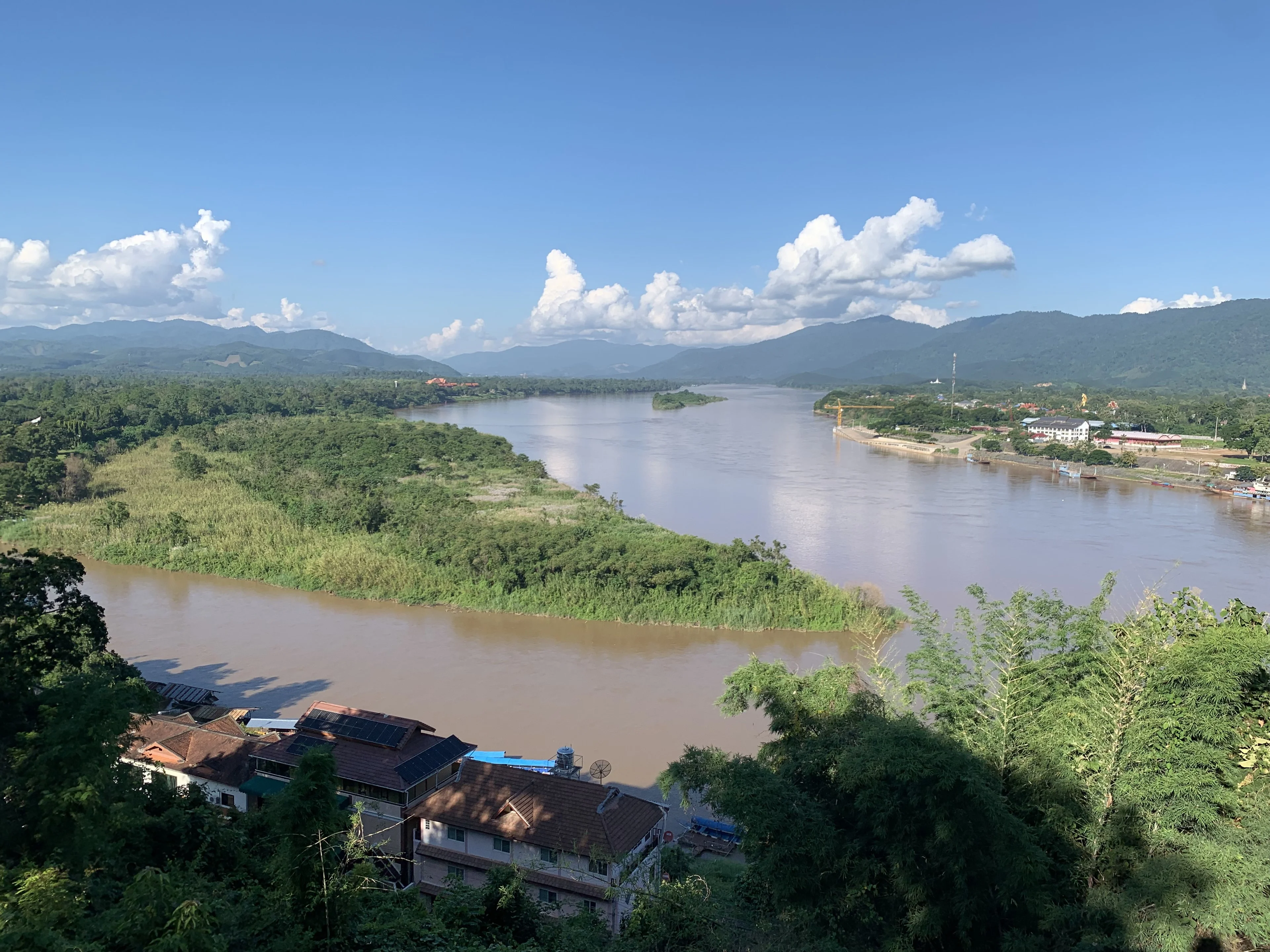
The Golden Triangle is the border zone where Thailand, Laos, and Myanmar meet at the point where the Ruak River flows into the Mekong. For most of the 20th century it was the world's largest opium-producing region. The trade has largely shifted to Myanmar's Shan State, but the name and the mythology have outlasted the industry that created them.
The viewpoint itself sits in the town of Sop Ruak, 60 kilometres north of Chiang Rai on Highway 1290. There is a golden Buddha statue, a small opium history museum, and a cluster of souvenir stalls. From the elevated platform you can see across the Mekong to the Lao village opposite and the forested hills of Myanmar to the northwest. It is scenic. It is also surrounded by casino boat signs and tour groups at peak hours.
Spending more than 30 minutes at the viewpoint itself is difficult to justify. What justifies the drive is everything around it.
The Hall of Opium: The Reason to Actually Come
Four kilometres south of the viewpoint near the Anantara resort, the Hall of Opium is the most substantive thing to do in the entire border region. Entry costs 200 baht and the museum takes one to two hours.
It covers the botany of the poppy, the colonial opium trade, the political economy of the Golden Triangle drug business, and the Royal Project's crop-substitution programs that replaced poppy farming in the Thai highlands. The exhibits are well-designed and give the region's history far more context than standing at the viewpoint ever could. For anyone with genuine interest in the history rather than the photo opportunity, the Hall of Opium is the main event and the viewpoint is the bonus stop on the way back.
Chiang Saen: The Most Undervisited Stop
Thirty kilometres south of the viewpoint on the Mekong river road, Chiang Saen is the stop most day-trippers skip and the one worth building time around. The old city walls, the 14th-century Wat Chedi Luang, and the Chiang Saen National Museum cover a period of northern Thai history that predates Chiang Mai's founding.
The riverside morning market serves genuine local food at local prices with no tourist markup. Budget two hours for the temple ruins and the museum combined. On a scooter, Chiang Saen makes a natural lunch stop between Chiang Rai city and the Golden Triangle viewpoint, and the river road north from here is one of the more scenic drives in the region.
Mae Sai: Thailand's Northernmost Point
Mae Sai sits 65 kilometres north of Chiang Rai and marks Thailand's northernmost land border crossing into Myanmar. The border market sells goods from Myanmar, China, and the Shan State at prices that undercut Chiang Rai city across most categories.
The crossing arrangements for foreigners into Tachileik on the Myanmar side change periodically. Check current border status before planning any crossing, as what was available last season may not apply now. Mae Sai works best as an add-on for travellers doing a full northern circuit by rental car or scooter rather than as a standalone destination.
Getting There
From Chiang Rai city centre, the drive north takes 1.5 hours on Highway 1 through Chiang Saen. A rented scooter from Chiang Rai is the most practical option for independent travellers. The road is good, the distance is manageable, and it allows stops at Chiang Saen and along the Mekong that a tour bus skips entirely.
Public transport is possible but slow: a songthaew from Chiang Rai to Chiang Saen costs 60 baht, then a local tuk tuk or songthaew covers the remaining 10 kilometres to Sop Ruak for 40 to 80 baht.
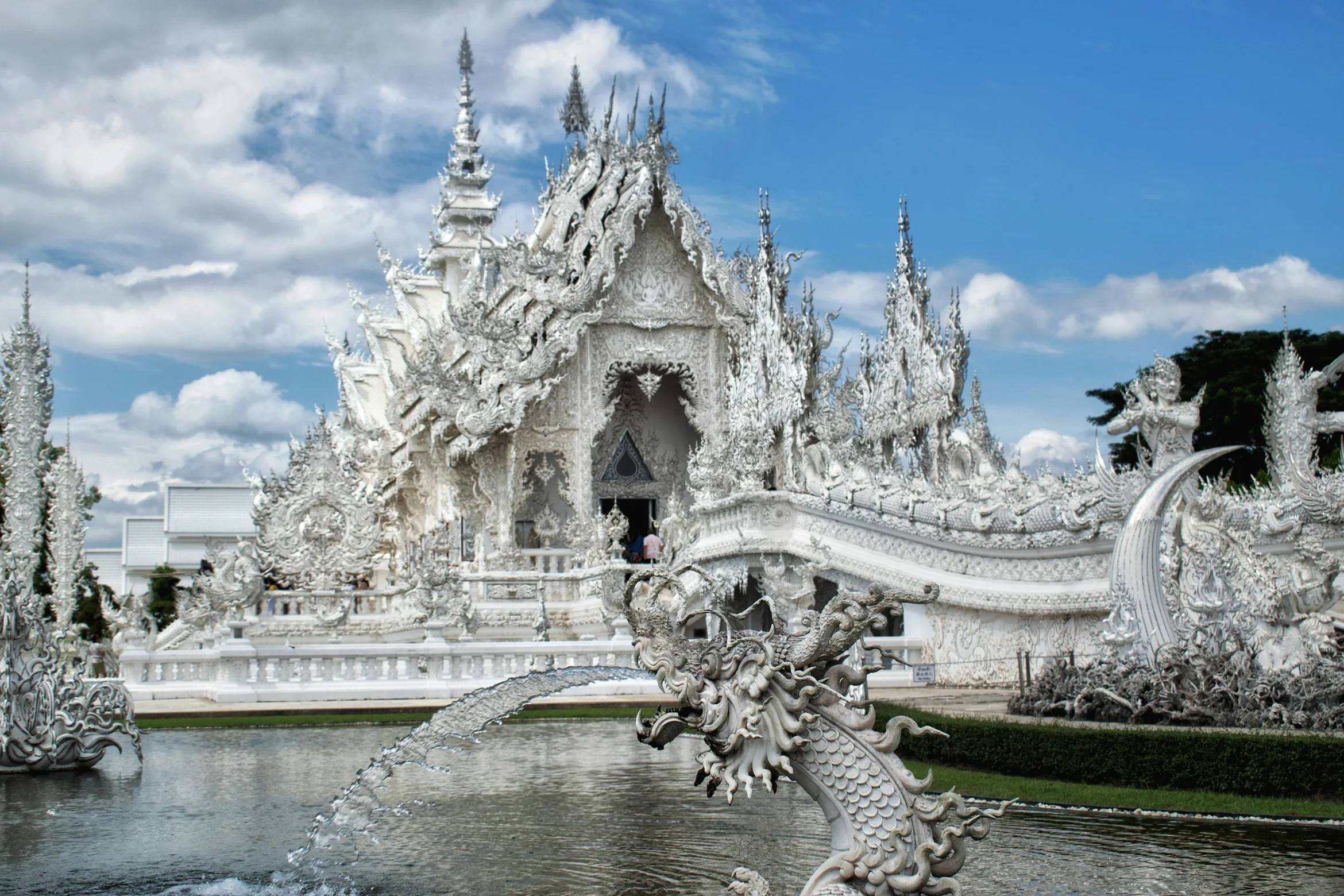
Organised day trips from Chiang Rai bundle the Golden Triangle with the White Temple, Baan Dam, and the Blue Temple for 600 to 1,200 baht per person. Most cover too much ground too fast. They suit visitors with limited time who would rather see everything briefly than choose between sites.
Is It Worth the Drive
The viewpoint alone is not worth a 3-hour round trip from Chiang Rai. Combined with Chiang Saen, the Hall of Opium, and a riverside lunch stop, the day becomes a genuinely good use of time. On a scooter or rental car the full circuit from Chiang Rai takes seven to eight hours at a comfortable pace.
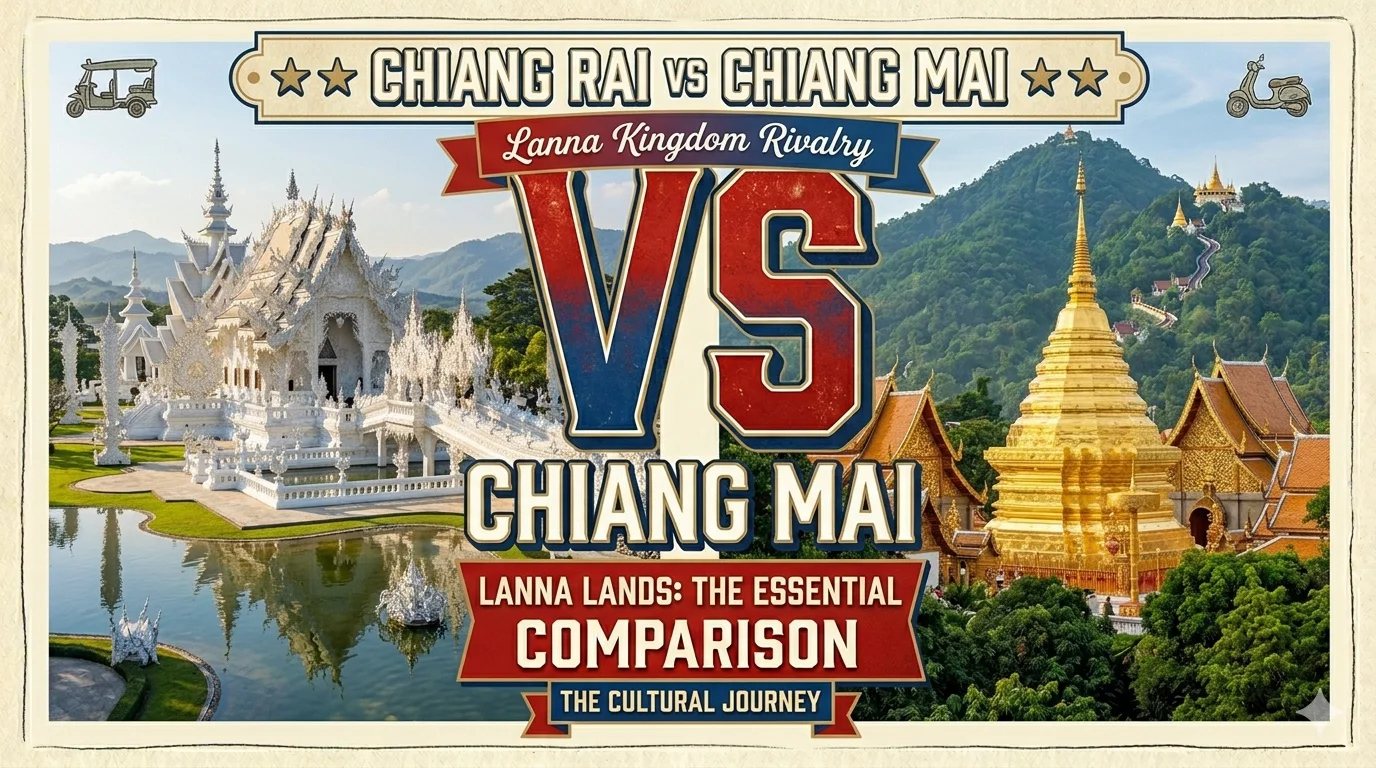
From Chiang Mai, the Golden Triangle is best folded into a multi-day Chiang Rai trip rather than attempted as a standalone day trip. The 280-kilometre drive from Chiang Mai makes it a 3.5-hour commitment each way. Base yourself in Chiang Rai for two nights, see the White Temple and city temples on day one, and run the Golden Triangle circuit on day two. That structure makes the distance worthwhile. For help deciding whether to base in Chiang Rai or Chiang Mai first, see Chiang Rai vs Chiang Mai: Which One Should You Visit?
Practical Information
Stop | Distance from Chiang Rai | Time Needed |
|---|---|---|
Chiang Saen | 30 km | 2 hours |
Hall of Opium | 56 km | 1.5–2 hours |
Golden Triangle viewpoint | 60 km | 30 minutes |
Mae Sai | 65 km | 1–2 hours |
Full circuit by scooter | — | 7–8 hours |
Where to Go from Here
For the full Chiang Rai itinerary including the White Temple, Blue Temple, and Baan Dam: Best Things to Do in Chiang Rai.
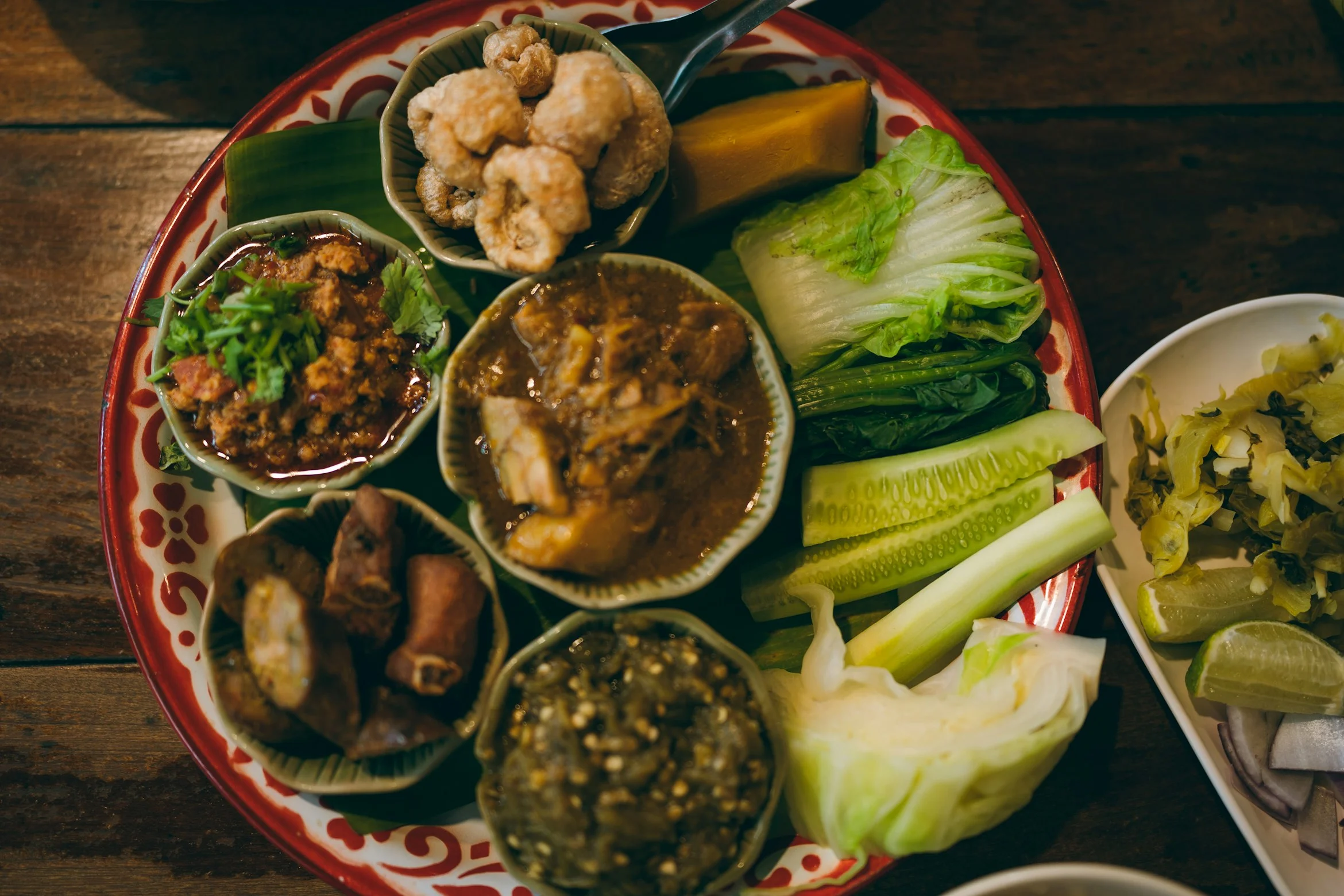
For where to eat before or after the drive: Chiang Rai Food Guide: The Night Bazaar and Beyond.
For where to stay in Chiang Rai: Best Hotels in Chiang Rai 2026.
For the full destination overview: Chiang Rai Travel Guide 2026.