Chiang Rai Food Guide: The Night Bazaar and Beyond
The Night Bazaar is where tourists eat. The Saturday Walking Street is where you should eat. The market on Saneha Road behind the bus terminal is where the city actually eats breakfast, starting at 5am, finishing by 10am, and leaving no trace that it happened.
Chiang Rai's food scene is not as varied as Chiang Mai and not as sophisticated as Bangkok. It is honest, affordable, and genuinely good at the things northern Thailand does best.
What Makes Chiang Rai's Food Different
Northern Thai cuisine runs through the whole menu here, but Chiang Rai has a slightly spicier edge than Chiang Mai that comes from Shan and Yunnanese influences near the Myanmar and Laos borders. The border geography also means Yunnanese Chinese food appears at a concentration that Chiang Mai cannot match: hand-pulled noodles, pork-based dishes, and preserved vegetables that differ meaningfully from the Thai-Chinese food you find in Bangkok.
The market culture skews strongly local. Vendor pressure is lower than Chiang Mai, prices are cheaper, and the food reflects what the Thai and Chinese population of the city actually eats rather than what tourists expect to find.
The Northern Thai Dishes to Know
Khao soi is the non-negotiable starting point. A rich coconut curry broth with egg noodles, crispy fried noodles on top, and a choice of chicken, beef, or pork. Chiang Rai's version runs slightly lighter and less coconut-forward than the Chiang Mai standard. A bowl costs 60 to 80 baht at a proper shop.
Sai ua is northern Thai pork sausage, grilled and served with sticky rice. The spice blend includes lemongrass, galangal, and dried chillies in a ratio that varies by cook. Find it at every market and most northern Thai restaurants.
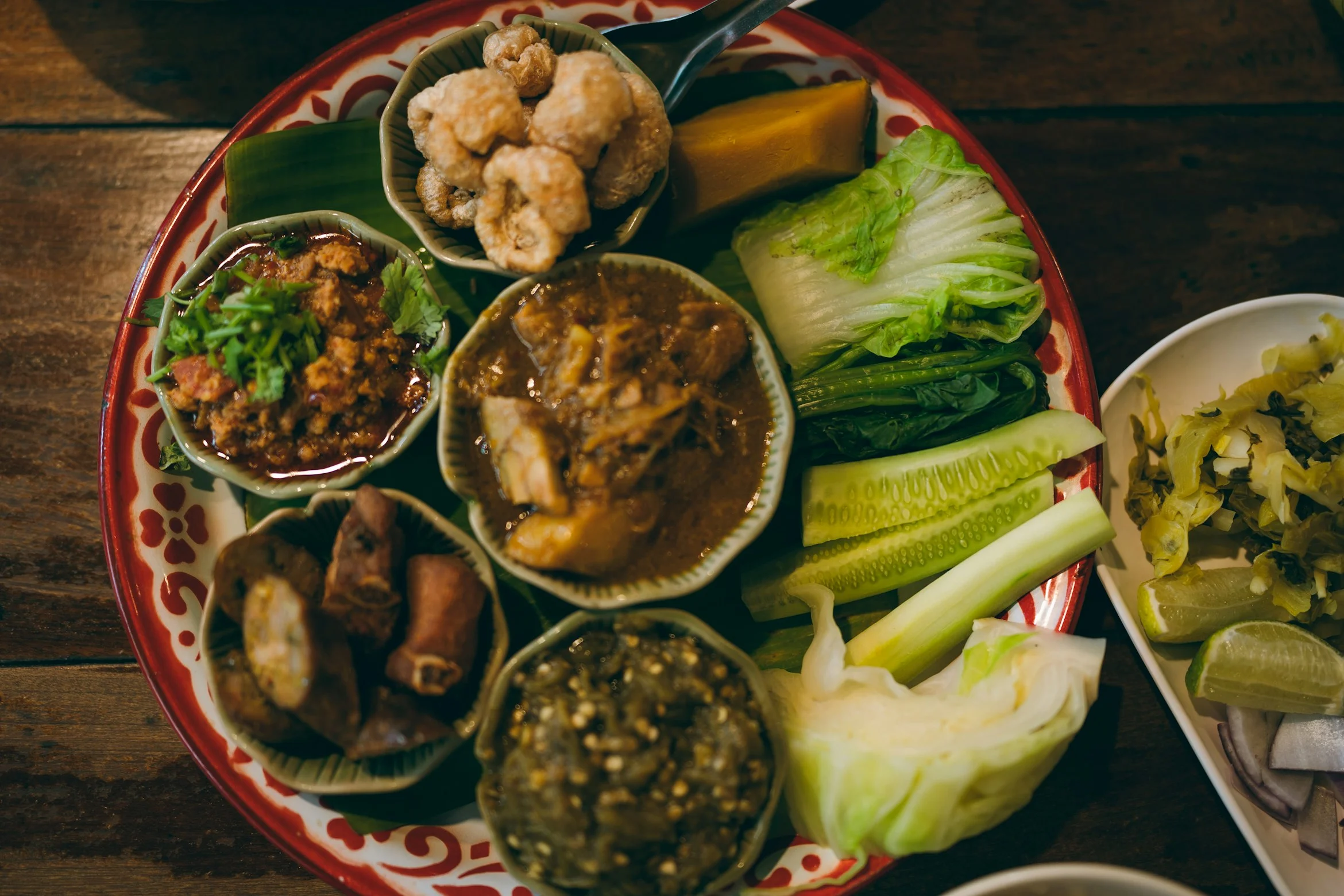
Nam prik noom is the standard opener to any northern Thai meal: a roasted green chilli dip served with raw vegetables, blanched greens, and pork rinds. It arrives before you order anything else at most traditional restaurants.
Gaeng hang lay is a Burmese-influenced slow-cooked pork curry with ginger and tamarind. It does not appear at night market stalls as often as the other dishes and is worth ordering specifically at a sit-down restaurant.
Miang kham are leaf-wrapped bites with dried shrimp, roasted coconut, lime, ginger, and chilli. The Saturday Walking Street has the most reliable versions.
The Night Bazaar
The Chiang Rai Night Bazaar runs daily from around 5:30pm to 10pm along Phahonyothin Road and Jet Yod Road. The covered food section has northern Thai dishes, grilled meats, fresh fruit, and desserts at 60 to 120 baht per dish. A reasonable dinner covering two dishes and a drink costs under 200 baht per person.
It is more local-facing than the equivalent market in Chiang Mai and the vendor pressure is noticeably lower. The Hill Tribe Market adjacent to the food section sells handicrafts and fabrics from Akha, Karen, and Hmong communities. Quality varies significantly. The better pieces are identifiable by intricate embroidery, consistent stitching, and materials that feel substantial rather than mass-produced.
The Night Bazaar is worth visiting once for the range of stalls. The quality is variable and the best khao soi in the city is not found here. Go for the atmosphere and the grilled meats, then find a dedicated noodle shop for the dishes that matter.
Saturday Walking Street: The Better Market
The Saturday Walking Street on Thanalai Road runs from 4pm to 10pm every Saturday and is the most interesting food event in Chiang Rai. The street is pedestrianised for the event. The vendors are primarily local and the food covers a wider range of northern Thai specialities than the nightly bazaar.
Arrive by 5pm for the widest selection before the most popular stalls sell out. The atmosphere is significantly more local than any nightly market. This is where you eat miang kham properly, find the best sai ua, and pick up kanom jeen noodles from the border region that rarely appear elsewhere in the city.
Where to Eat Khao Soi
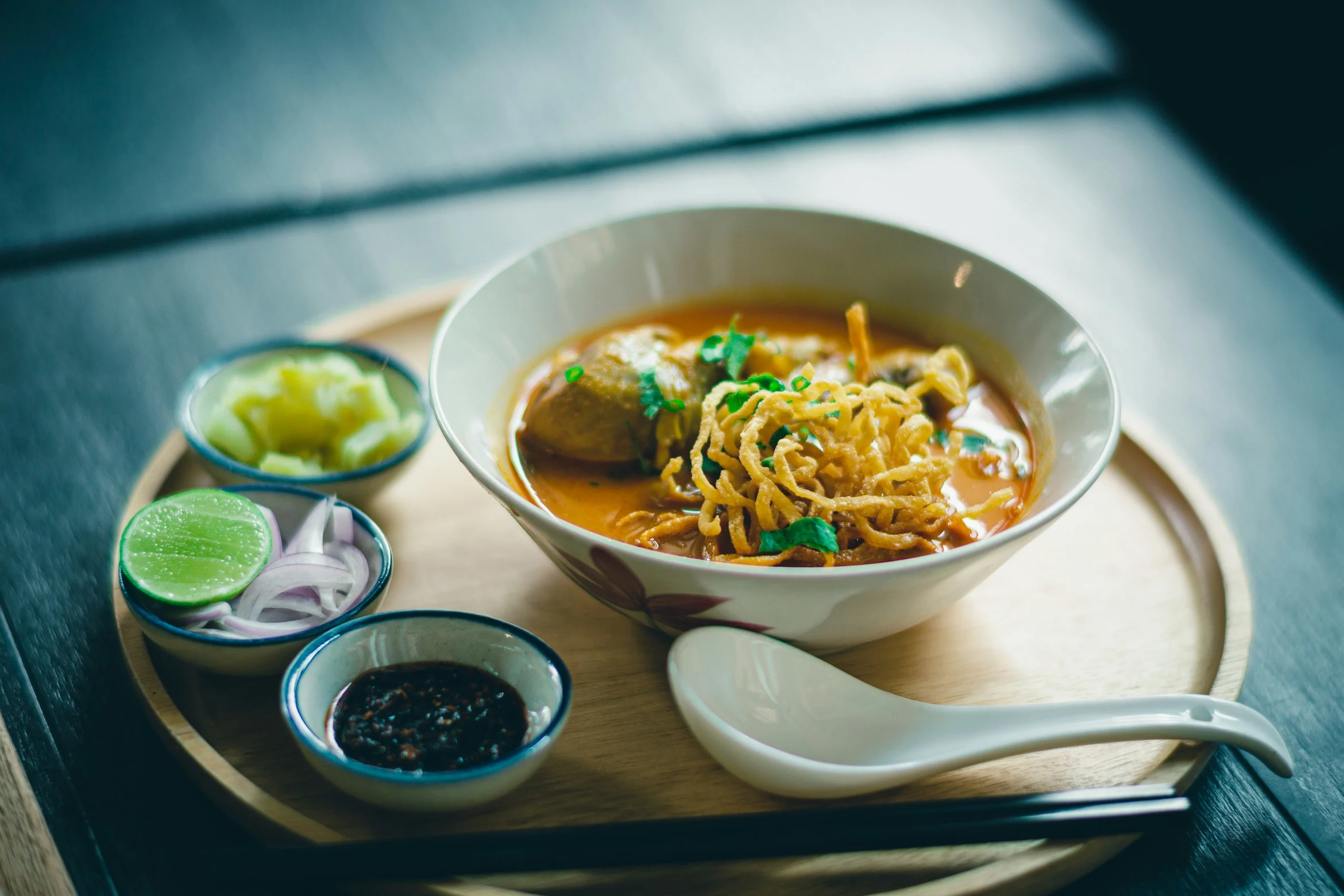
The best khao soi in Chiang Rai is found at morning-only noodle shops near the bus terminal and market area rather than at the night bazaar. Khao Soi Islam on Thanalai Road is the most reliable in the city centre, using halal chicken broth with a cleaner, lighter finish than the richer Chiang Mai versions. It opens for lunch only and closes around 2pm or when the pot runs out. A bowl costs 60 to 80 baht. Arrive before noon.
Sit-Down Restaurants Worth Knowing
Phu Lae on Thanalai Road is the most reliable northern Thai restaurant in the city for the dishes that do not appear at market stalls. The menu covers gaeng hang lay, nam prik num, and northern-style laab in a traditional wooden house setting. The menu is in Thai with some English translation. Budget 200 to 350 baht per person for a full meal with rice.
For Yunnanese food, the area around the border towns of Mae Sai and the restaurant strip near the bus terminal has the highest concentration of Chinese-influenced cooking in the north. Hand-pulled noodles and pork belly with preserved mustard greens are the dishes to order.
Breakfast: Where the City Actually Eats
The market on Saneha Road behind the main bus terminal opens at 5am and is where Chiang Rai's Thai and Chinese residents eat before work. Khao tom (rice soup), jok (rice porridge), and the northern Thai breakfast standard of sticky rice with grilled pork and dried chilli dip all cost under 60 baht. It closes by 10am and leaves no tourist-facing signage to help you find it. Walk behind the terminal and follow the plastic chairs.
Coffee: Better Than It Has Any Right to Be
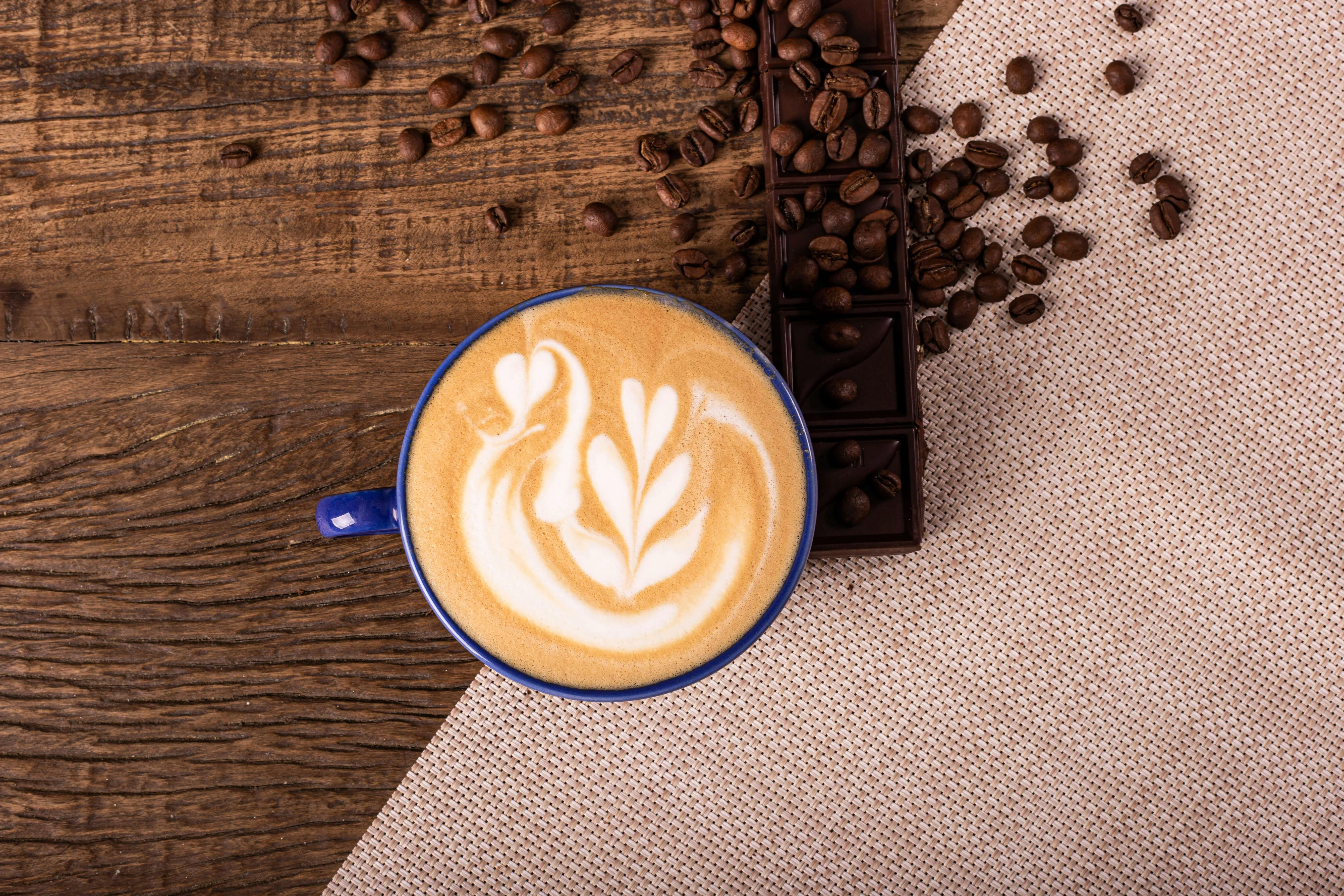
Chiang Rai province grows some of Thailand's best Arabica coffee, particularly from hill tribe farms in the Doi Chang and Doi Tung areas. Doi Chaang Coffee has its main cafe in the city and serves the regional crop at 80 to 120 baht for a proper filter or espresso. The coffee quality consistently outperforms anything in Bangkok's tourist-facing chains and gives the city a legitimate reason to linger over breakfast before the temples open.
Where to Go from Here
For how to structure the food alongside temples and the Golden Triangle into a two or three day itinerary: Best Things to Do in Chiang Rai.
For where to stay near the Night Bazaar and Saturday market: Best Hotels in Chiang Rai 2026.
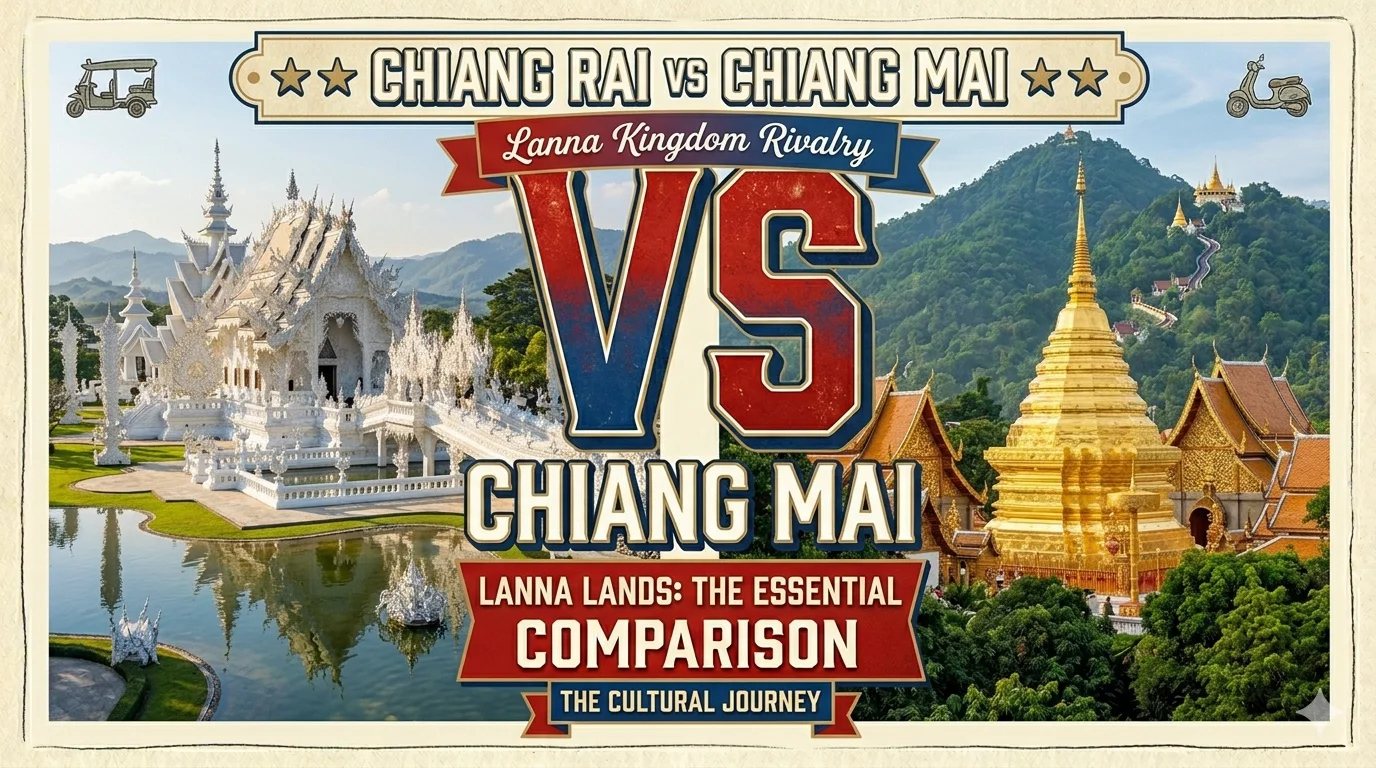
For the full Chiang Rai versus Chiang Mai comparison including food scene differences: Chiang Rai vs Chiang Mai: Which One Should You Visit?.
For the full destination overview: Chiang Rai Travel Guide 2026.