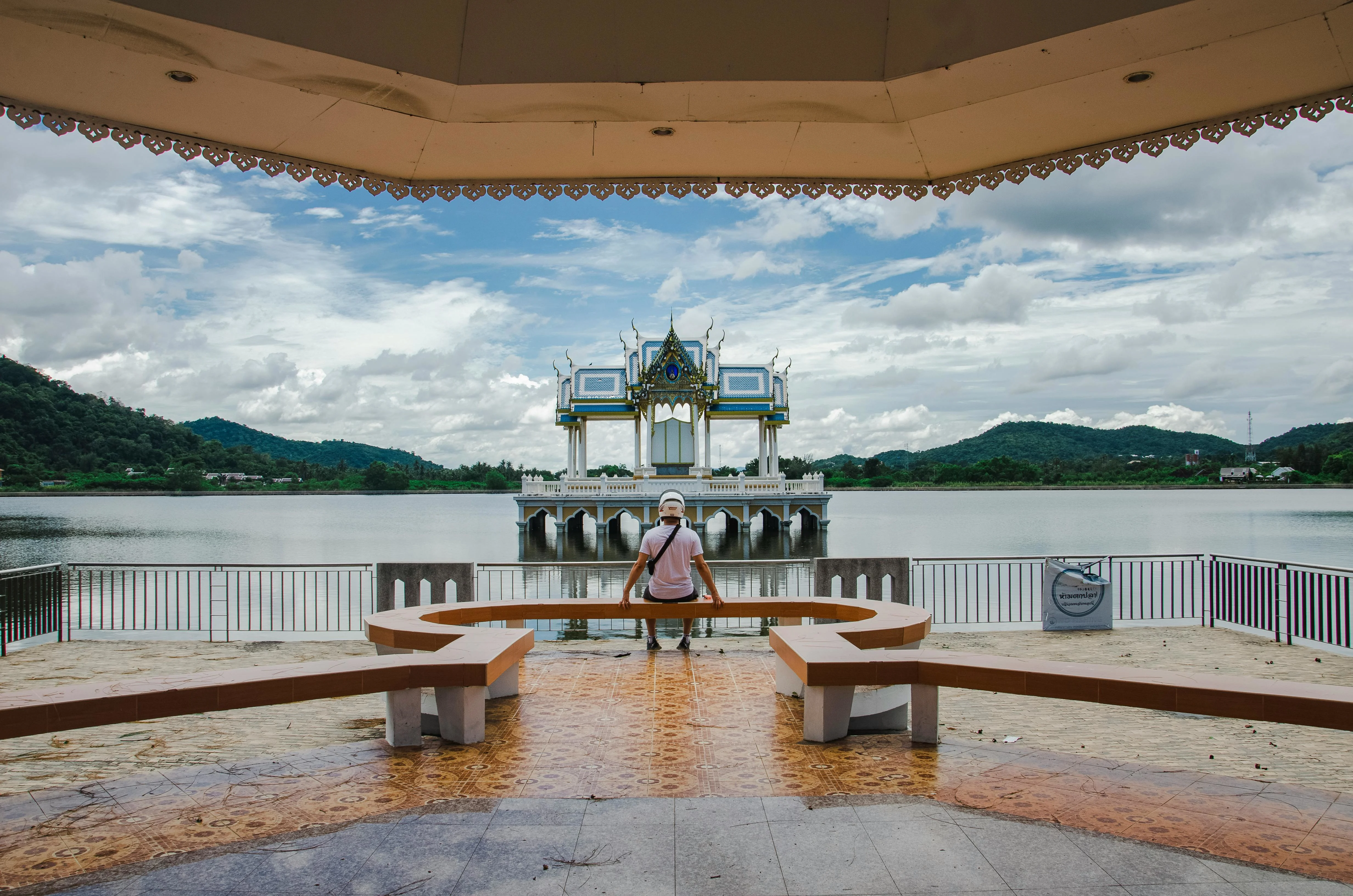
Hua Hin is 200 kilometres south of Bangkok and remains the most accessible beach destination from the capital. The royal connection gives it a conservative character that keeps prices reasonable and the beach clean. If you want nightlife and party beaches, this is not the place.
What Hua Hin actually is
Hua Hin became Thailand's first resort town when the royal family built a summer palace here in 1926. That connection stuck. The town is quieter than Pattaya, less crowded than Phuket, and significantly cheaper than Koh Samui. Most visitors are Thai families, older European retirees, and Bangkok weekenders who want sand without a flight.
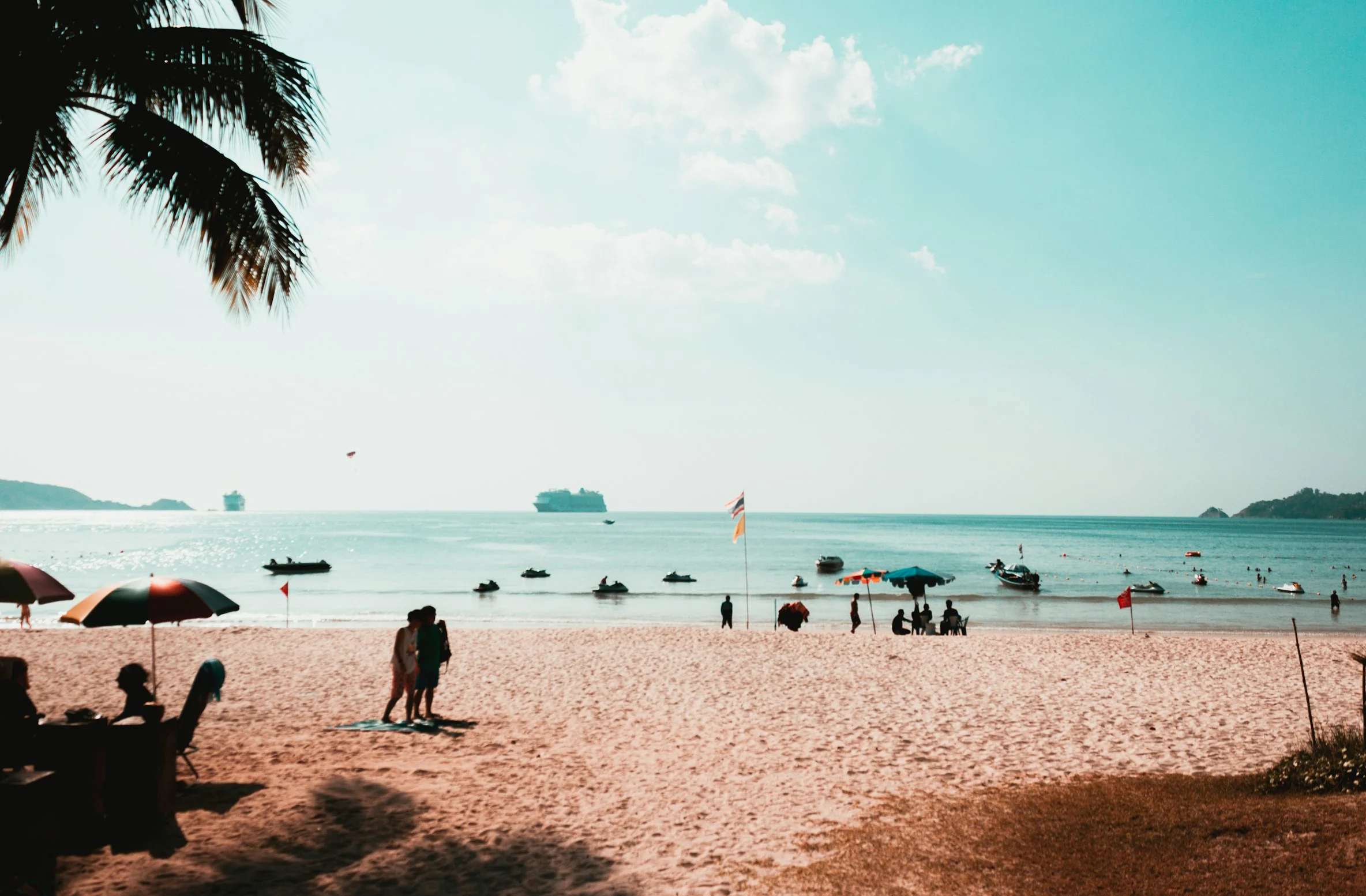
The beach runs 6 kilometres and stays clean for most of the year. Jellyfish appear occasionally in wet season from June to October. The water is calm enough for swimming, though not remarkable by southern Thailand island standards.
When to go
Season | Months | Weather | Crowd level | Verdict |
|---|---|---|---|---|
☀️ Peak | Nov to Feb | Dry, 25C, low humidity | Busy | Best weather, highest prices |
🌤️ Shoulder | Oct and May | Variable, some rain | Quieter | Best value window |
🌧️ Wet | Jun to Sep | Rain, humid, rougher sea | Low | Aug to Sep highest rainfall |
November to April is peak season with reliable sun, lower humidity, and calmer water. December and January are the coolest months at around 25C. The shoulder months of October and May are often the best deal — prices drop, crowds thin, and the chance of good weather is reasonable. August and September bring the most rain, with occasional heavy periods lasting two to three days.
Getting there from Bangkok
Option | Journey time | Cost | Notes |
|---|---|---|---|
🚌 Bus (Sombat Tour) | 3.5 hours | 200 to 250 baht | Most reliable, departs Mo Chit and Victory Monument |
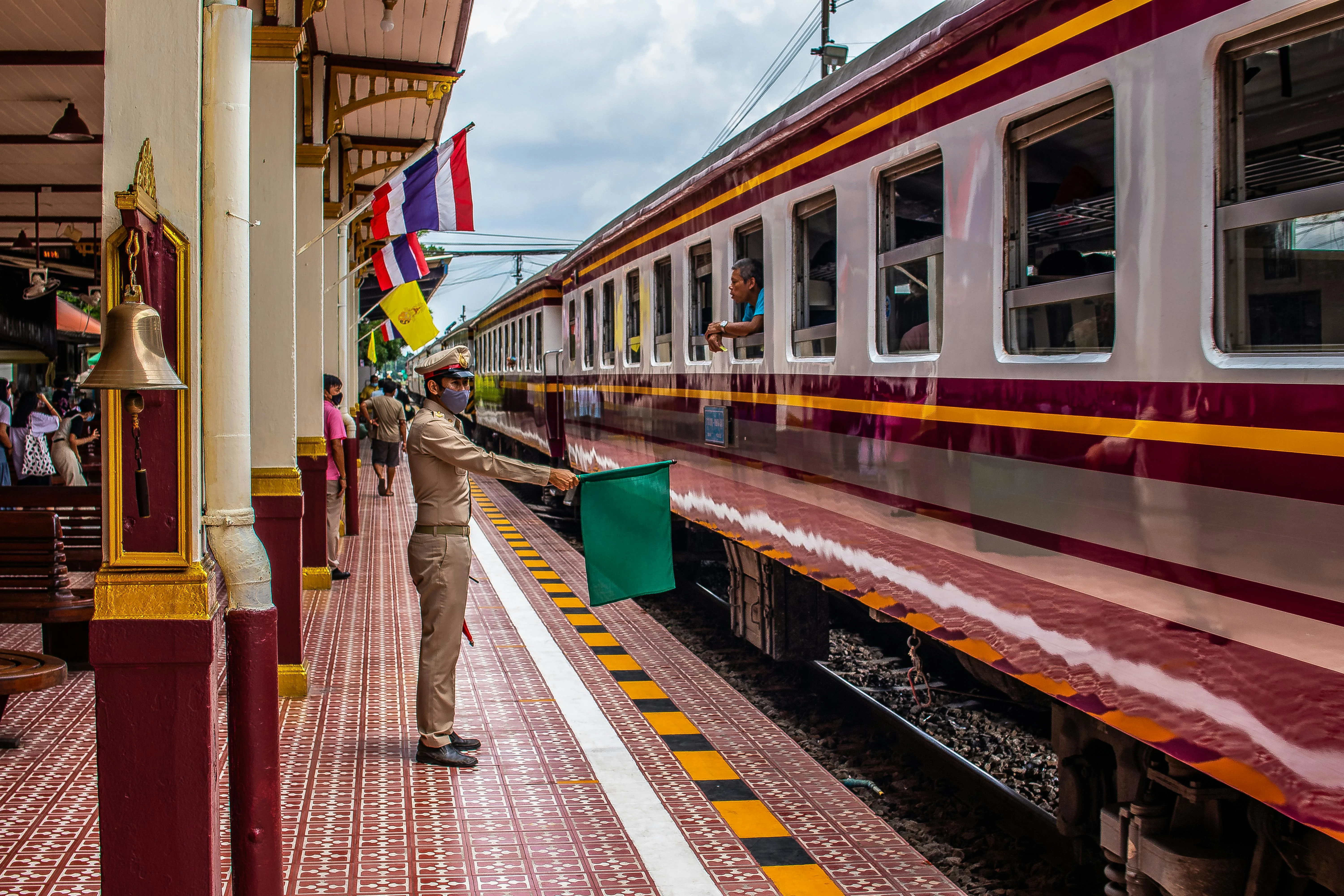
🚂 Train | 4 to 5 hours | ~100 baht (3rd class) | Scenic, but schedule is unpredictable |
🚐 Private van | 2.5 to 3 hours | 2,000 to 2,500 baht | Door-to-door, best with luggage |
🚗 Self-drive | 2.5 to 3.5 hours | Varies | Flexible but Bangkok traffic adds time |
The bus is the most reliable option for most travellers. Trains are scenic and cheap but the schedule is inconsistent and adds significant time. A private van is the most comfortable option with luggage or for groups. See the full Bangkok to Hua Hin transport guide for exact schedules and current prices.
Getting around Hua Hin
The town is small enough to navigate by motorbike. Rentals run 250 to 350 baht per day at most guesthouses and along the main road. Songthaews run fixed routes through town for 20 to 30 baht. Tuk-tuks are available but negotiate the price before getting in — tourist pricing is standard and starting prices are rarely fair.
The night market, train station, and main beach are all within walking distance of most central guesthouses. For Khao Takiab Beach at the south end or the Bluport mall area to the north, a motorbike or tuk-tuk is more practical.
The beach
Hua Hin Beach runs 6 kilometres and each section has a different character. The central section in front of the main hotels is the busiest, with horses for hire — a local tradition — and vendors selling grilled corn and fresh fruit from carts along the sand.
The northern section near the fishing pier gets fewer tourists. You can watch boats come in and eat at the seafood restaurants behind the pier at market prices. The southern end near Khao Takiab is quieter with a small fishing village and a hill temple accessible by a short climb. For the full breakdown of each beach section and sea conditions by month, read the Hua Hin beach guide.
Where to eat
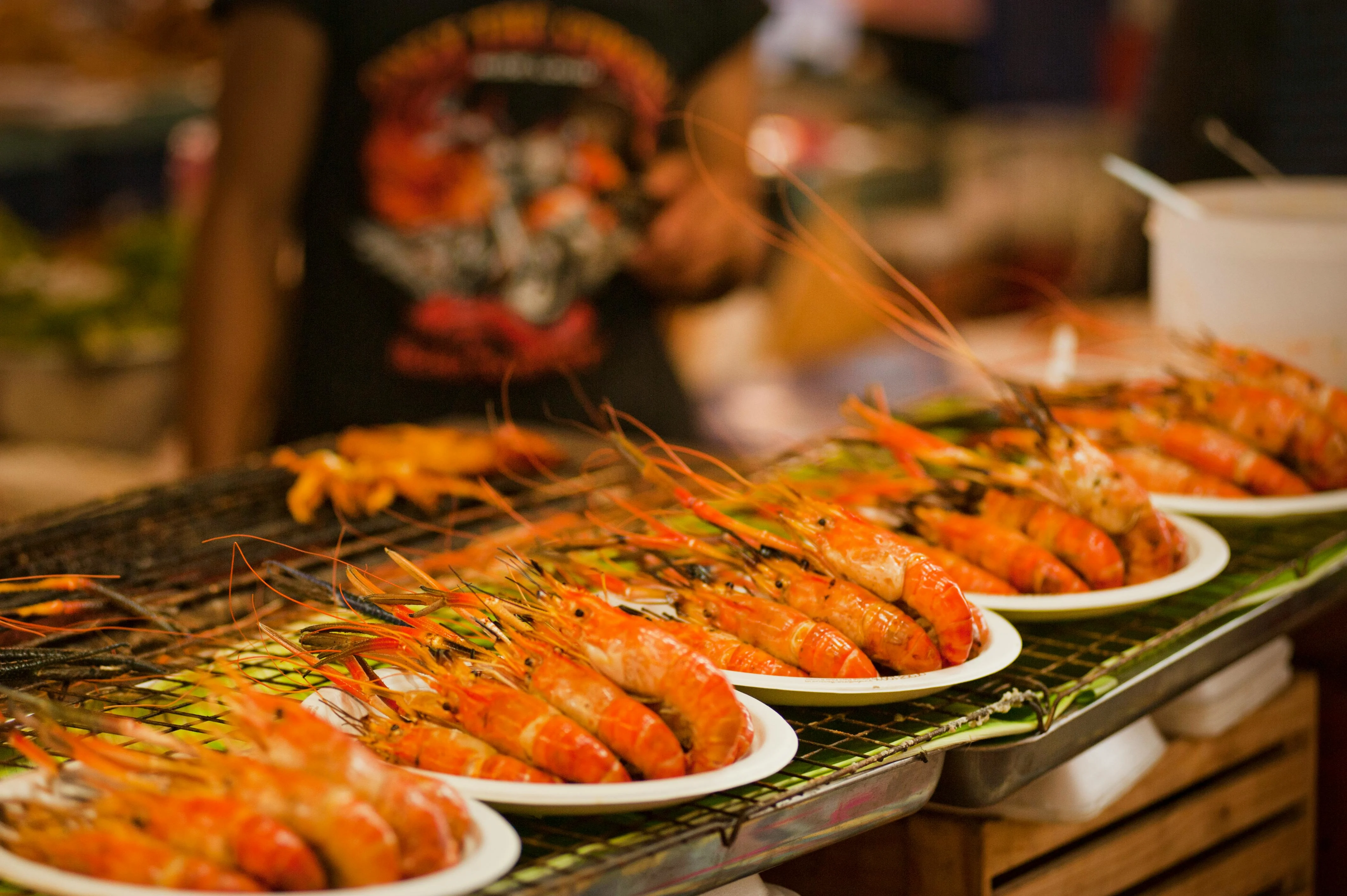
The Dechanuchit Night Market runs every evening and is the main food destination in town. It is not a tourist trap. The stalls serve a mix of Thai families and visitors, prices are reasonable, and the grilled seafood is genuinely good. River prawns, whole fish, and crab are the things to order.
The morning market near the train station is almost entirely local and runs from 6am to around 10am. Grilled pork, rice soup, and fresh produce at prices that have not been adjusted for tourism. The main tourist restaurant strip along the waterfront has good views and mediocre food at inflated prices. You will eat better for less money two streets back. For a full breakdown of where to eat, read the Hua Hin food guide.
Things to do
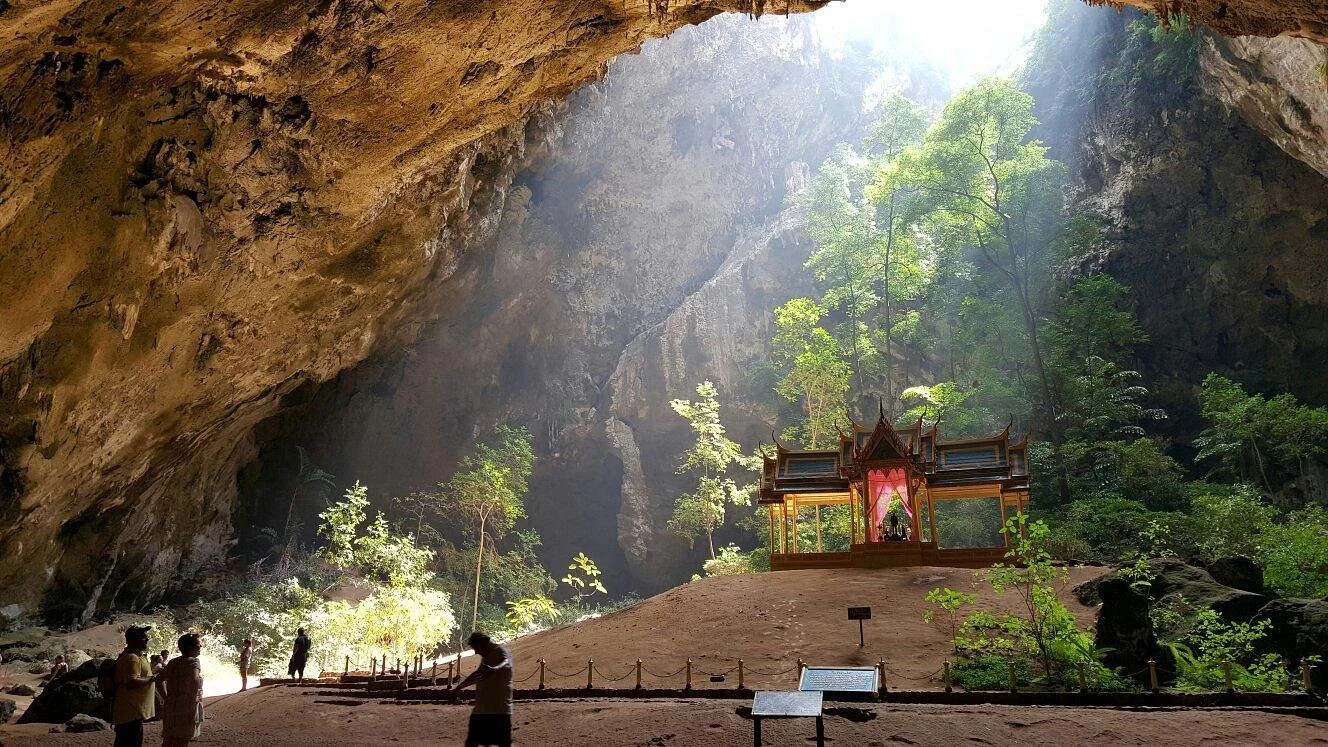
Sam Roi Yot National Park is 45 kilometres south and one of the most undervisited parks in Thailand. The cave temple at Phraya Nakhon Cave requires a boat crossing and a short hike, with a pavilion inside that catches dramatic morning light. Entry fees are 300 baht for foreigners and the boat to Phraya Nakhon Cave costs an additional 200 baht per person.
In town: the Cicada Market runs on weekends and has better quality than most night markets, with local artisans and food from around Thailand. The Plearn Wan vintage village is a recreated 1950s Thai town that sounds cheesy but is well done and good for an hour. See the day trips from Hua Hin guide for Prachuap Khiri Khan and other options.
Living in Hua Hin long term
Hua Hin has the largest expat retiree community in Thailand outside Chiang Mai. The appeal is straightforward: clean air, good hospital, reasonable cost of living, and Bangkok accessible in a half-day if needed. Monthly costs for a comfortable life run 35,000 to 60,000 baht depending on accommodation.
Bangkok Hospital Hua Hin is within city limits and handles most standard medical needs. Condominiums and long-stay apartments are plentiful and considerably cheaper than comparable properties in Phuket or Chiang Mai. For a full look at what long-term life here involves, read the Hua Hin for expats and retirees guide.
Where to stay
Budget | Price per night | What you get |
|---|---|---|
💰 Budget | 600 to 900 baht | Guesthouses near night market, basic A/C |
🏨 Mid-range | 1,200 to 2,500 baht | Hotels 200 to 500m from beach, pool |
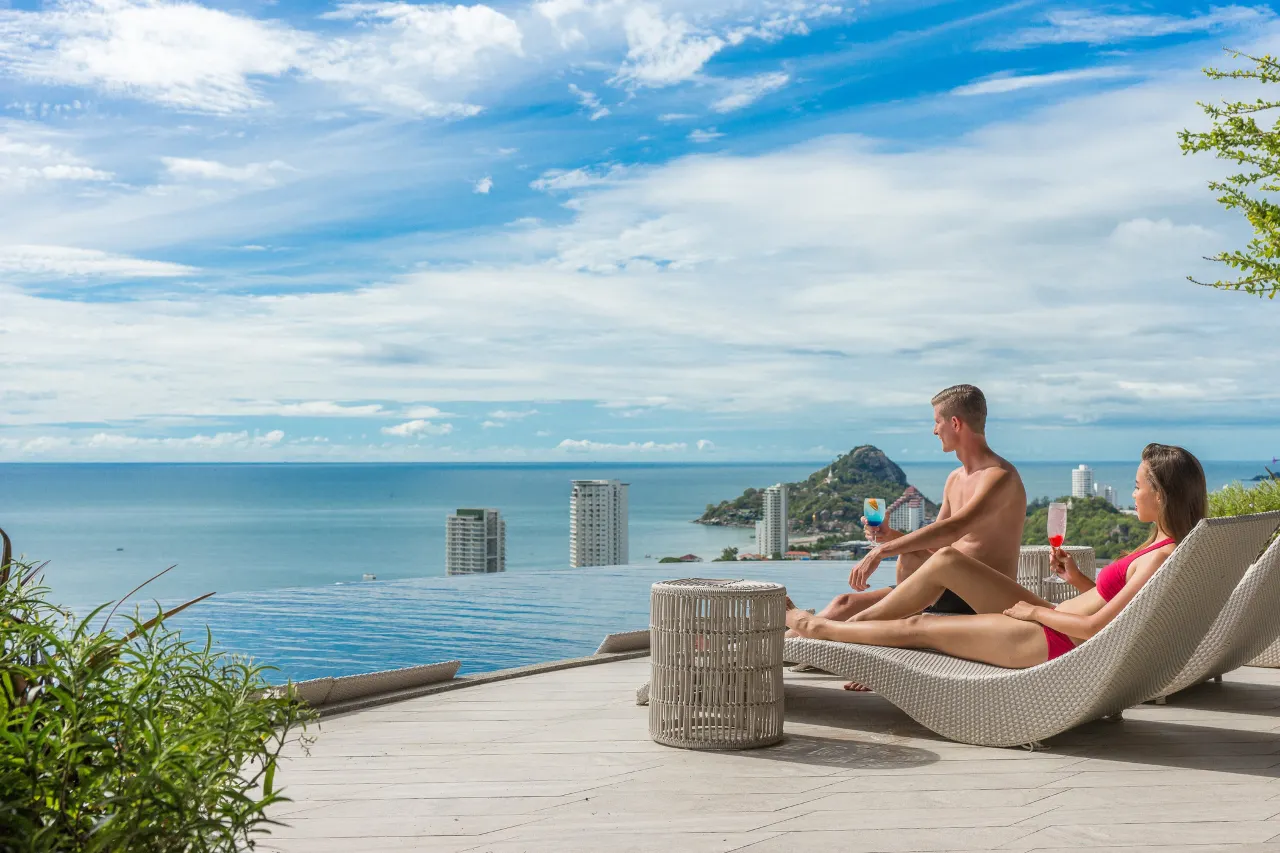
🏖️ Beachfront | 3,500 baht+ | Resort-style, direct beach access, high season premium |
🏡 North Hua Hin | 1,500 to 3,500 baht | Quieter area, near golf clubs, suited to longer stays |
The best value properties are typically 200 to 500 metres from the beach rather than directly on it. The price gap is significant and the walk is short. For honest hotel picks with WiFi speeds and real drawbacks, read the Hua Hin hotel guide.
Where to go from here
Hua Hin works as a standalone trip or as a stop on a wider Gulf Coast route. These guides cover the decisions you will face before and after.
For getting there: the Bangkok to Hua Hin transport guide covers bus, train, and van options with current schedules and prices.
For the beach in detail: the Hua Hin beach guide covers each section of the beach, sea conditions by month, and where to avoid.
For food: the Hua Hin food guide covers the night markets, morning markets, and where locals actually eat.
For day trips: the day trips from Hua Hin guide covers Sam Roi Yot, Prachuap Khiri Khan, and the vineyard route south.
For where to stay: the Hua Hin hotel guide covers budget to beachfront picks by area with honest notes on each.
For long-term living: the Hua Hin for expats and retirees guide covers monthly costs, the hospital, and what the expat community actually looks like.