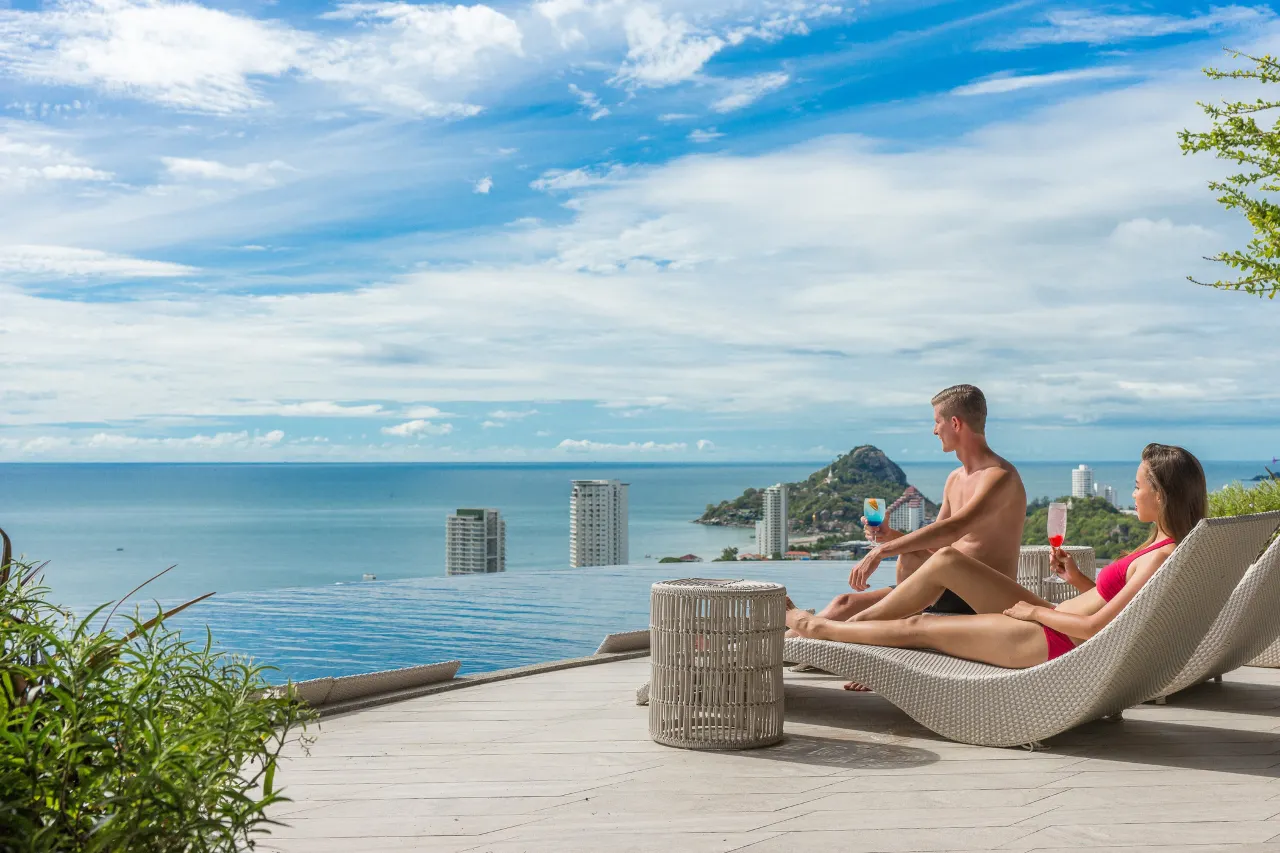
Hua Hin Beach Guide: What the Shoreline Is Actually Like
Nobody comes to Hua Hin for the beach the way they go to Krabi for the beach. They come for the pace, the golf, the food, the ease of getting here from Bangkok. The beach is the backdrop. And once you understand that, it stops being a disappointment and starts being exactly what you need it to be.
The water is not turquoise. The sand is not powdery white from end to end. But the beach is 7 kilometres long, the sunrises are genuinely good, and on a weekday morning before 9am it feels like the whole coast belongs to you. Manage your expectations right and Hua Hin's beach delivers every time.
The Honest Overview
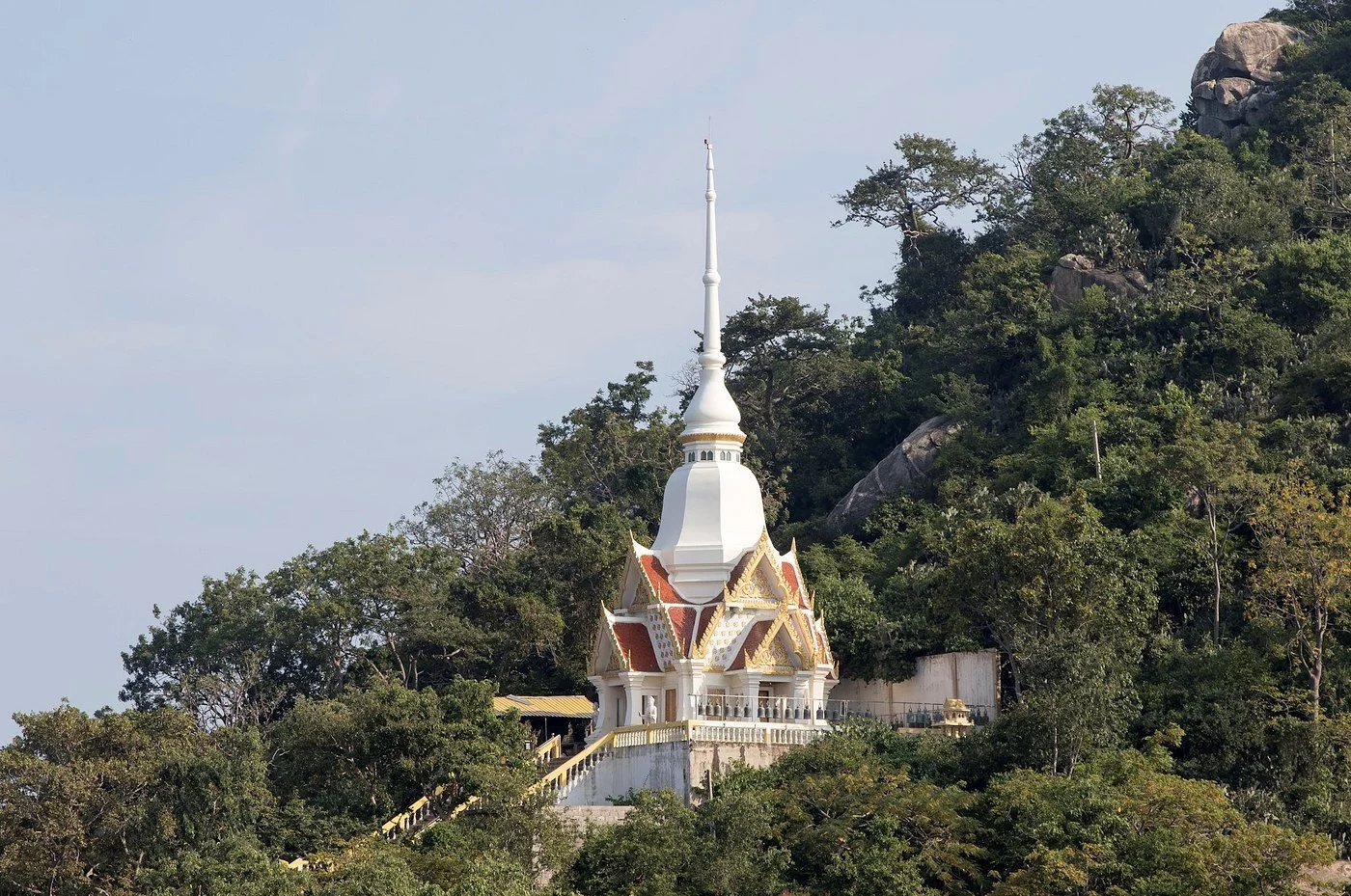
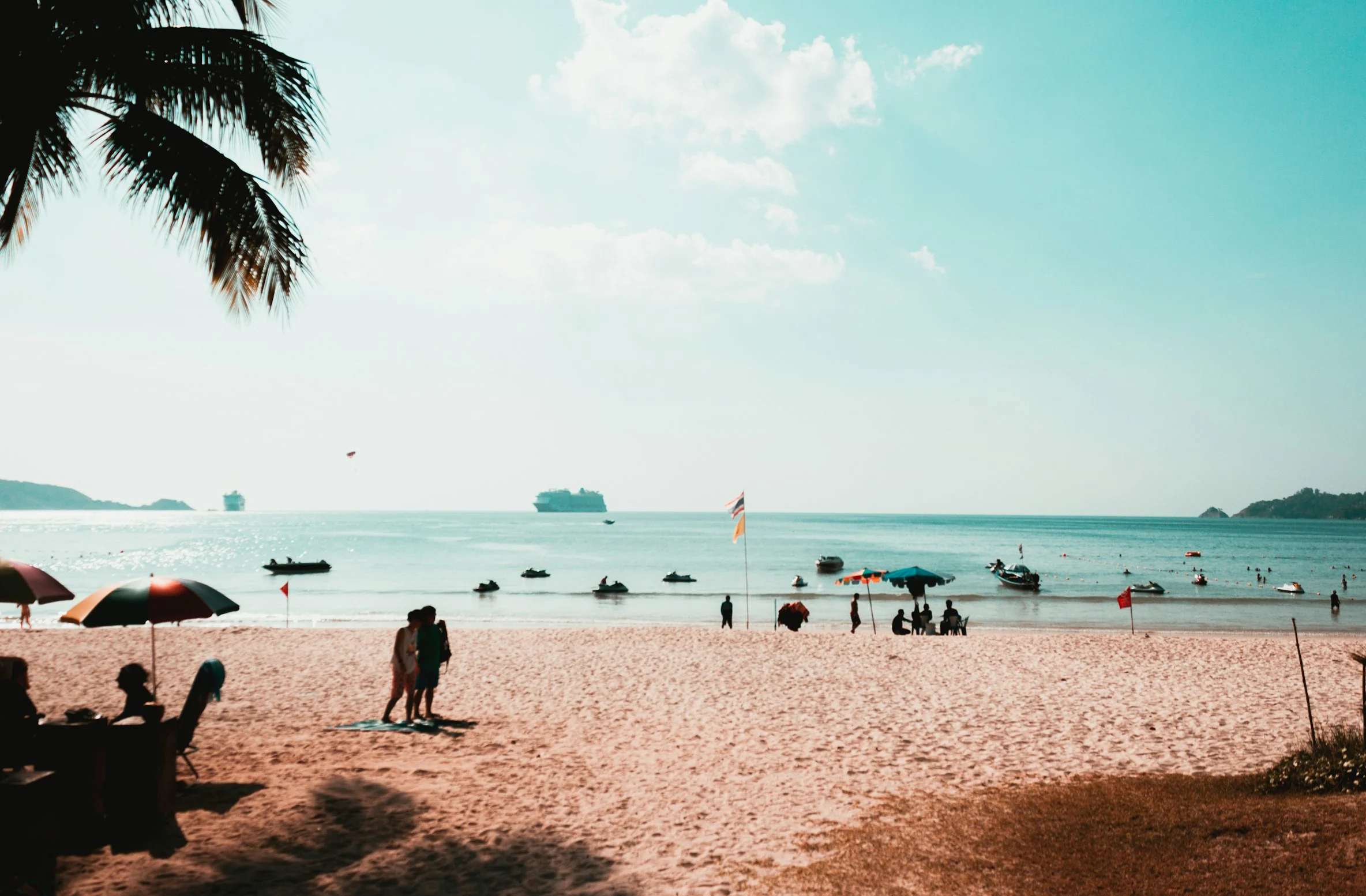
Hua Hin beach runs from Klai Kangwon Palace in the north all the way to Khao Takiab hill in the south. The sand changes character along that 7-kilometre stretch. The northern and central sections near the big hotels have vendors, horses, and weekend crowds. Go south and the sand opens into wider, quieter stretches with fewer people and better swimming conditions.
The water is Gulf of Thailand water. Calm rather than dramatic, warm year-round, but not clear in the Andaman sense. During low tide the beach widens to about 80 metres. During high tide it can narrow dramatically, and on some days the water reaches the hotel gardens with no sand visible at all. Check the tide before you plan your beach morning. Two high and two low tides run through every 24 hours and the difference between them is significant enough to change your plans.
The Different Sections
Central Hua Hin Beach
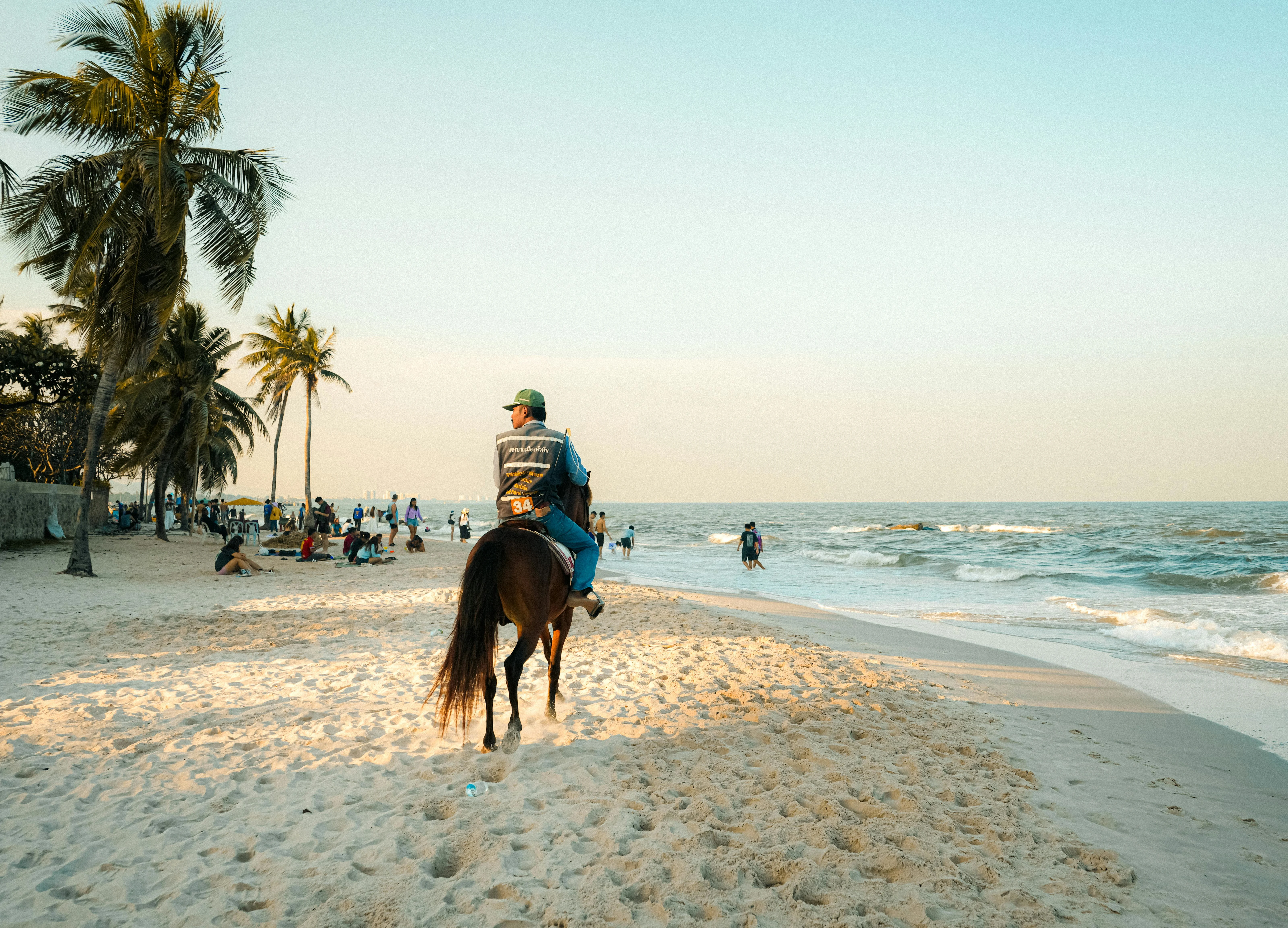
This is the main stretch in front of the big hotels, running south from the pier toward the Hilton and Centara Grand. It is the most convenient section for guests staying downtown and the most crowded on weekends. The sand is decent, the sunbeds rent at 50 baht each, and vendors come through regularly with fruit, drinks, and whatever else you may or may not want.
The horses are a feature of this section. They are ridden for tourist photos and short beach rides. The welfare situation varies by operator and by day. If you want to avoid the vendor pressure and the horses entirely, head south past the main hotel frontage to where the sand quietens down.
This section suits people who want the convenience of beach access directly from a downtown hotel without walking far. It does not suit people looking for a quiet morning swim without being offered something every five minutes.
Southern Hua Hin and Nong Kae
Past the main tourist strip, heading toward Nong Kae, the beach gets noticeably better. Wider sand, fewer vendors, and a more local flavour. The kiteboarding schools set up along this stretch from November onward and the consistent wind that makes kiting excellent here also makes long beach walks more comfortable in the afternoon heat.
The kiteboarding season runs from November through May. Schools operate near the Soi 67 access point and lessons start from around 3,500 baht for a two-hour introduction. The wind is reliable enough in high season that watching the kiteboarders from the sand is entertainment in itself.
Khao Takiab Beach
Khao Takiab sits 5 kilometres south of downtown and is the better beach for families and anyone who wants to actually swim. The water is calmer and more sheltered because the hill at the end of the beach breaks some of the exposure. The sand runs further and wider at low tide.
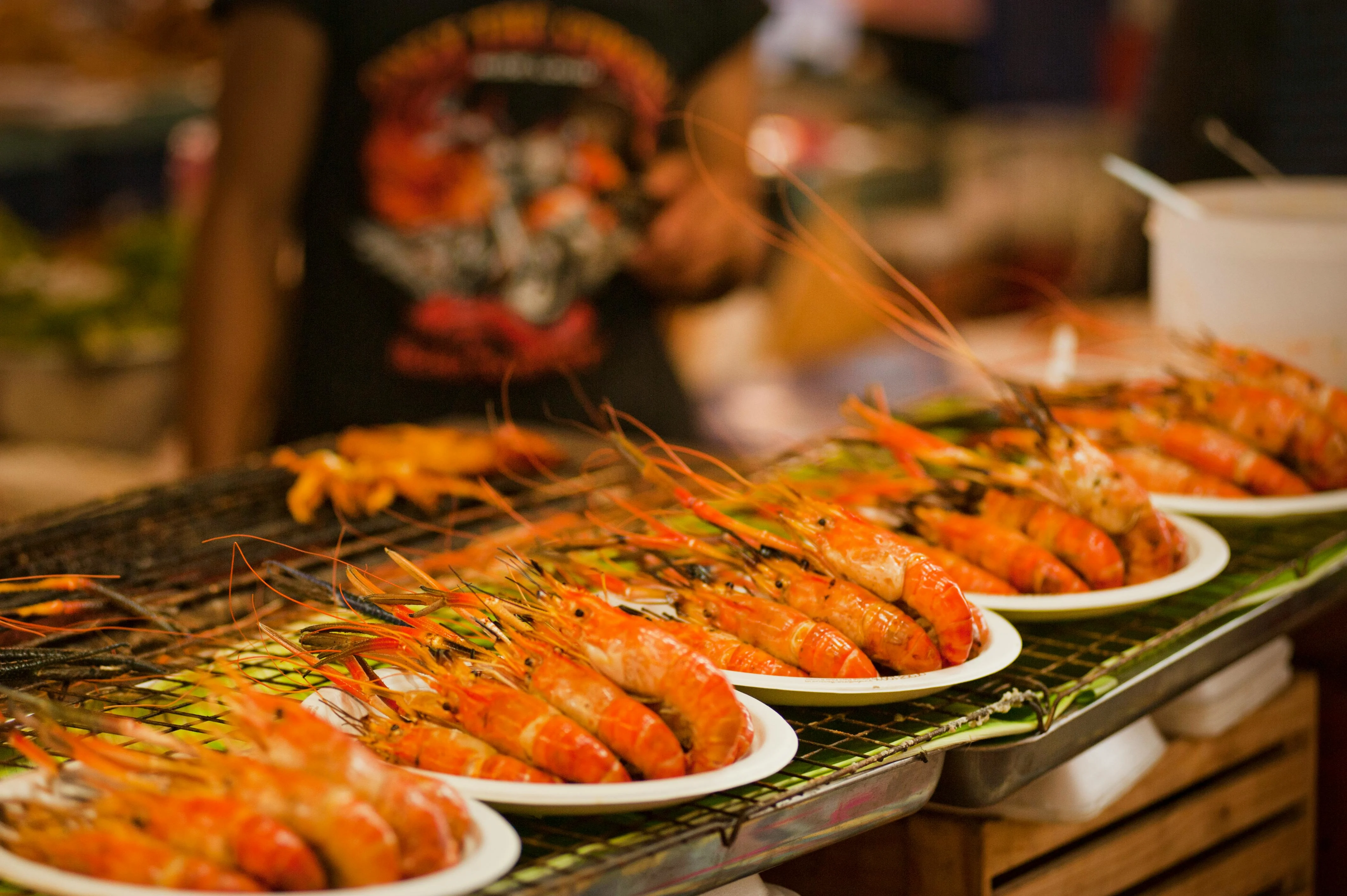
The beach has a genuine neighbourhood feel. The restaurants along the edge serve seafood at local prices rather than tourist markup. The fishing boats come in and out in the early morning. Monkeys from the hill temple wander onto the road above the beach but rarely onto the sand itself. Khao Takiab is where people who have been to Hua Hin before tend to spend their beach days.
Suan Son Pradipat (Army Beach)
Suan Son is the best beach in the Hua Hin area for swimming and the least visited by tourists. It is managed by the Royal Thai Army and sits about 10 kilometres south of downtown. The upkeep shows: the sand is maintained, the casuarina trees that line the beach provide real shade, and the water is cleaner and calmer than the main town beach.
Entry is free. The beach has basic food stalls and parking for day visitors. Getting there requires a car, motorbike, or a negotiated tuk tuk fare from town. It is worth the effort if swimming rather than sunbathing is your priority. On weekdays it is nearly empty.
Swimming: The Real Conditions
Hua Hin is swimmable but it requires timing. The water is warm year-round, between 28 and 30 degrees, and the Gulf currents are gentle compared to the Andaman side. The practical issues are tides and jellyfish.
At high tide, the beach can disappear entirely in front of the main hotel strip and the water gets rough enough that swimming becomes uncomfortable. At low tide the same stretch opens into 80 metres of flat sand and calm, shallow water. The best swimming windows are the two to three hours around low tide on a calm morning.
Jellyfish appear occasionally, most commonly between August and October and after storms during the rainy season. When they show up they show up in numbers. Check with your hotel or the beach restaurants before getting in the water after any significant overnight rain. The Khao Takiab and Khao Tao sections tend to have calmer conditions and fewer jellyfish incidents than the main beach.
What to Actually Do on the Beach
Kiteboarding and kitesurfing: Hua Hin is the best kiteboarding base in Thailand outside Koh Phangan. The wind is reliable from November through May and the flat water conditions suit beginners and improvers better than exposed ocean locations. A 3-day beginner course costs around 11,000 baht at the established schools near Soi 67. The southern beach sections are less crowded for learning.
Horse riding: Available on the central beach at 250 to 300 baht for a short ride. The quality of the experience varies by operator. Go early morning before the midday heat if you want to ride. The horses are working animals rather than trained leisure horses, which is worth knowing before you go.
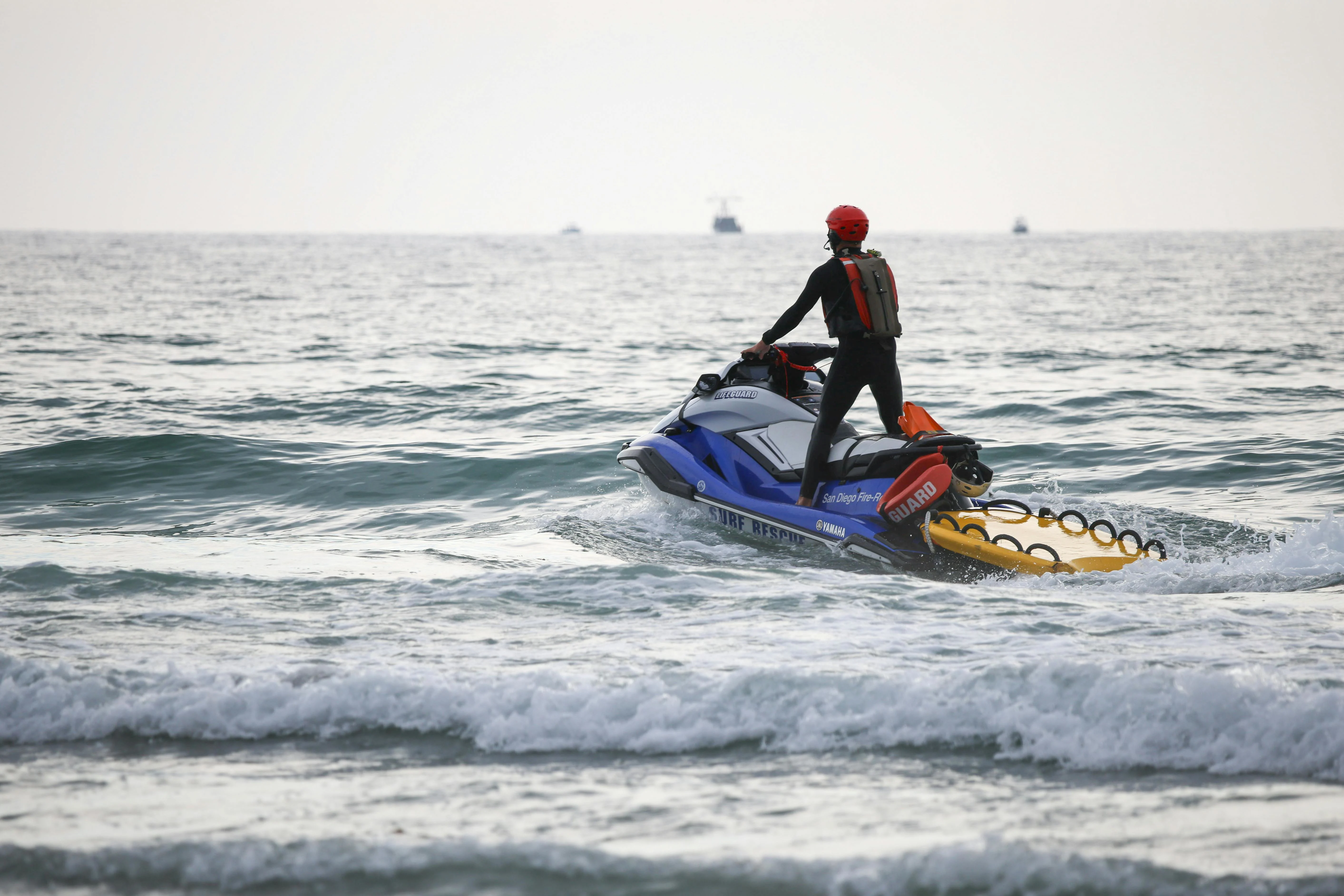
Paddleboarding and jet ski: Available for rental on the main beach section. Paddleboards are the better choice when the water is calm. Jet ski operators work the central beach area on weekends and are easy to find.
Long walks: The stretch from the central beach to Khao Takiab at low tide is one of the better beach walks in the region. 5 kilometres of flat, wide sand with views south to the hill. Start at 7am before the vendors set up and finish at Khao Takiab for breakfast at one of the seafood restaurants above the beach.
Best Time to Be on the Beach
November through February is peak beach season. The weather is dry, the wind is pleasant rather than punishing, and the light for early morning walks is genuinely good. December and January are the most reliable months.
March to May is dry but increasingly hot. The beach is perfectly usable but midday sun from 11am to 3pm is uncomfortable without shade. Morning and evening beach time is the practical approach.
May to October is the rainy season. Rain usually arrives in the afternoon and clears quickly. The beach is emptier, the prices are lower, and the mornings can be beautiful. The jellyfish risk is higher and the water is less predictable after storms. Weekday mornings during this period are when the beach feels most genuinely quiet and most worth having to yourself.
What the Beach Is Not
Hua Hin beach is not a photography beach. The images that perform best on travel accounts come from Krabi, Koh Lanta, and the Andaman islands. Hua Hin does not produce those images and it is not trying to.
What it is: a long, warm, walkable coastline attached to a city with good food, functional infrastructure, and a pace of life that rewards people who are not in a hurry. The beach is part of that package. It is not the whole of it.
Where to Go from Here
For where to stay near the beach: Best Hotels in Hua Hin 2026.
For what to eat after a morning on the sand: Hua Hin Food Guide.
For day trips to better swimming beaches further south: Best Day Trips from Hua Hin.
For the full Hua Hin destination overview: Hua Hin Travel Guide 2026.