Hua Hin for Expats and Retirees: What Long-Term Life Is Like
The people who retire to Hua Hin are not the people who retire to Pattaya. They are not the people who retire to Chiang Mai either. They are a specific type: they want a beach, they want good healthcare within 20 minutes, they want to play golf twice a week, and they want to be on a train to Bangkok in under three hours when the situation calls for it. Hua Hin was built for exactly this profile. If that is you, it will feel like it was waiting.
If you need a city that surprises you, Hua Hin will bore you within six months. That is not a criticism. It is the most useful thing anyone can tell you before you sign a lease.
Who Actually Lives Here
Retirees make up the largest segment of Hua Hin's foreign population. The community skews European, with the UK, Germany, and Scandinavia producing the largest national groups. A 2025 survey of 512 foreign retirees who had lived in Hua Hin for at least two years found that 56 percent dine out regularly, 51 percent participate in sport with golf leading that number significantly, and 43 percent spend regular time at the beach. Those three activities describe a Hua Hin week more accurately than anything else.
The expat family community is smaller but growing. Younger expats and digital nomads are present but thin on the ground compared to Chiang Mai or Bangkok. Hua Hin is not optimised for remote workers. Co-working infrastructure is limited and the social scene for people under 50 is narrower than any of Thailand's bigger cities. The people who stay long-term here have made a deliberate choice about pace, not a compromise about options.
What a Week in Hua Hin Actually Looks Like
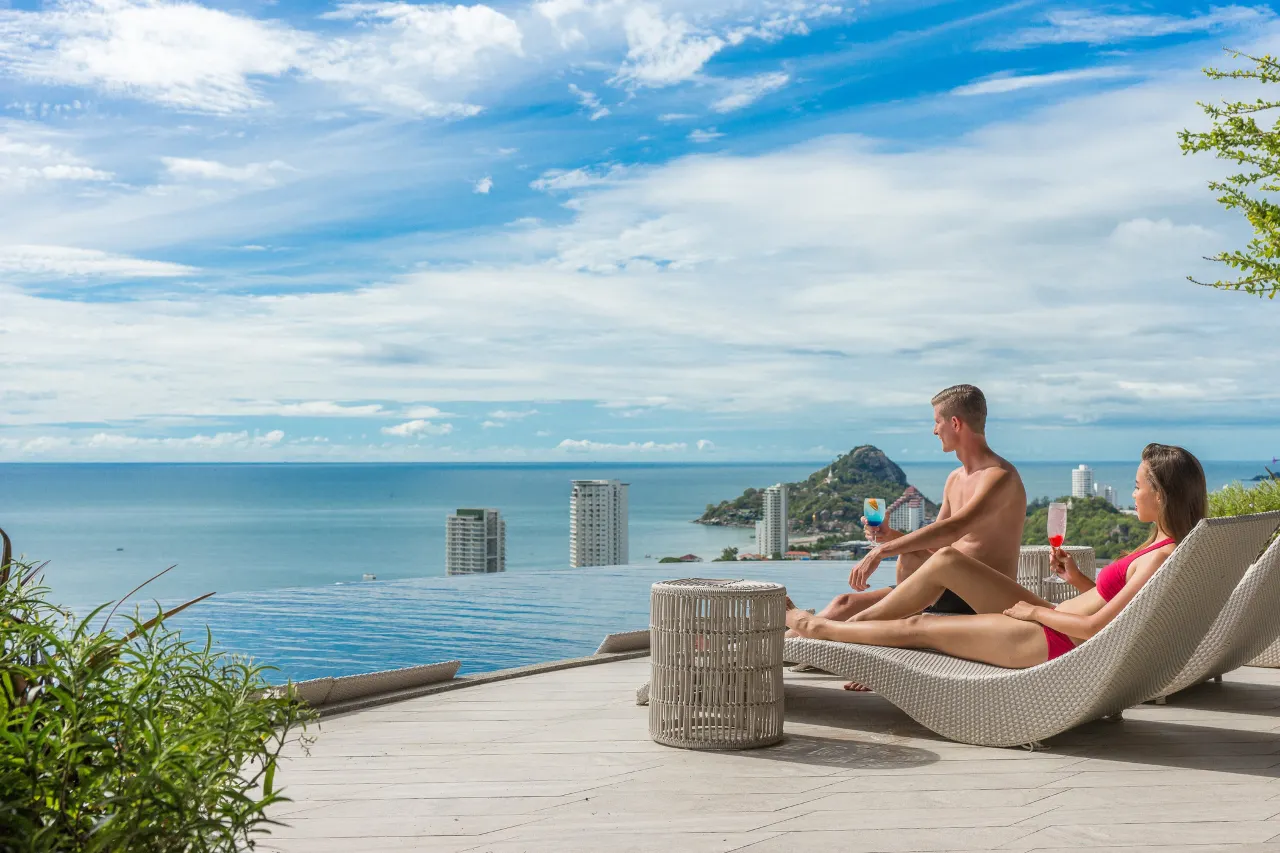
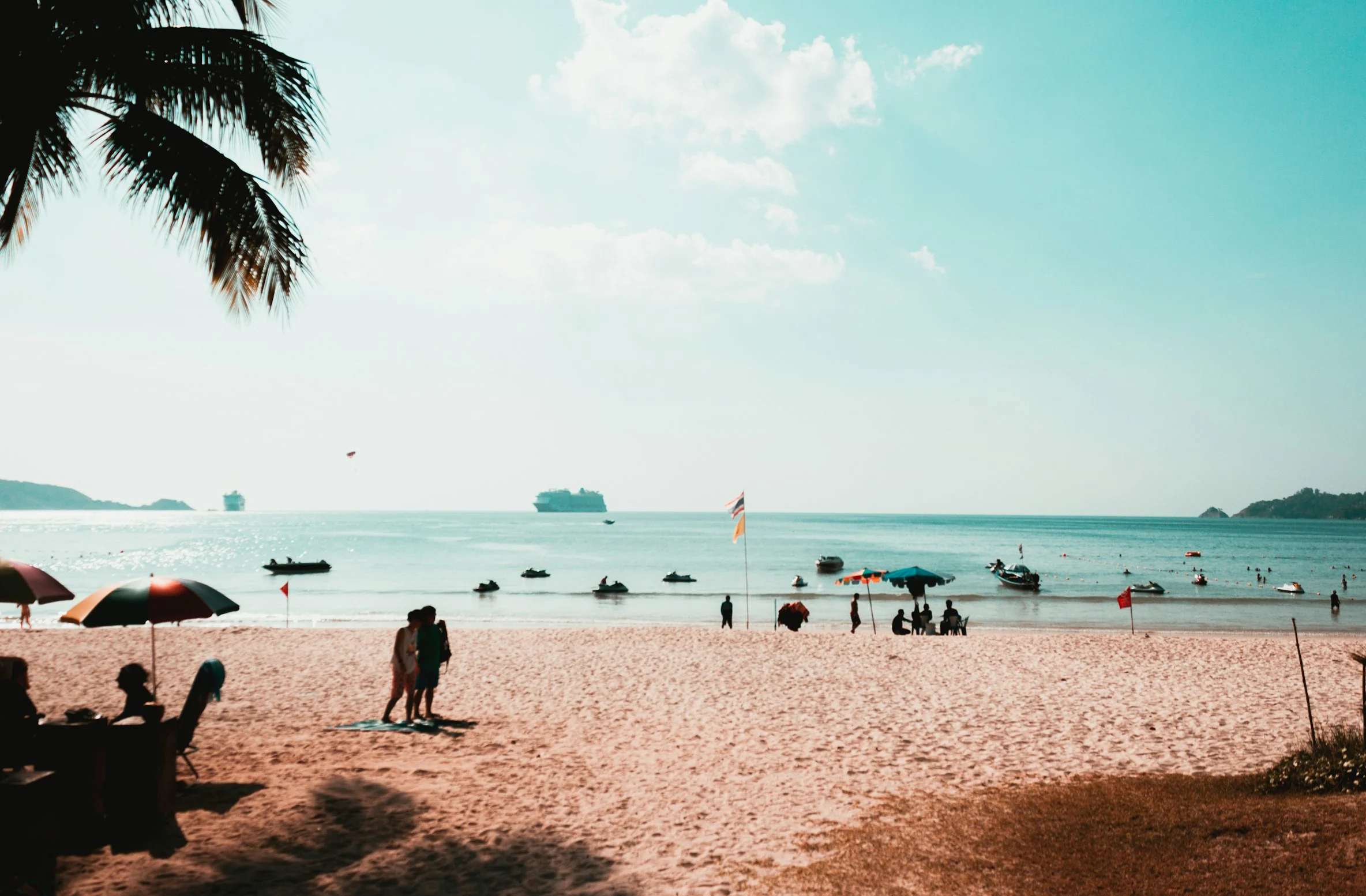
Monday through Friday has a rhythm that most long-term residents settle into within a few months. A beach walk or seafood breakfast before 8am when the sand is empty. Golf two or three mornings a week, finishing by noon before the heat makes the back nine uncomfortable. Lunch at one of the Khao Takiab restaurants or a local noodle shop off the main tourist strip at 60 to 80 baht a bowl. Afternoons are slow by design: a spa session, a swim, a book on the balcony.
Evenings rotate between the Tamarind and Cicada markets on weekends and the various expat restaurants, beach bars, and live music venues on weeknights. Soi Bintabaht is where the nightlife concentrates, though Hua Hin's nightlife is a glass of wine over live music rather than anything resembling Pattaya. Most long-term residents are home before midnight on most nights. That is not a complaint from the people who live here. It is the point.
The Golf

Hua Hin has more than 10 championship golf courses within easy driving distance and the Golf of Thailand has its headquarters in the city. Black Mountain Golf Club and Pineapple Valley are the most consistently praised courses among expat residents. Green fees run significantly below what comparable courses in Europe or Australia charge for similar quality.
The Hua Hin Golf Society runs twice-weekly competitive events year-round open to all skill levels. It is the first expat golf society in the area and membership is the fastest route into the social fabric of the expat community for anyone who plays. Golf here is not just an activity. For many long-term residents it is the primary social infrastructure around which everything else organises itself.
The Social Life Beyond Golf

The organised expat community in Hua Hin is more active than the city's size suggests. The Hua Hin International Expat Club runs regular events and serves as the main entry point for new arrivals. The Viking Club Hua Hin, the Rotary Club of Royal Hua Hin, the Swiss Society, and a growing number of national-community groups all hold regular gatherings. The Hua Hin Ladies group runs its own parallel social calendar.
Beyond the formal organisations: soccer leagues, darts leagues, pool tournaments, book clubs, running clubs, and cycling groups all operate year-round. The annual Jazz Festival and Kite Festival are the two biggest community events on the calendar. Facebook groups for Hua Hin expats have accumulated over 20,000 members in some cases, and social events are posted regularly by both organisations and individuals.
Meeting people in Hua Hin is genuinely easy, particularly for retirees. The community is small enough that new faces are noticed and welcomed. Within a few weeks of arriving, most newcomers have a regular coffee spot, a familiar face at the market, and an invitation to something. The social warmth of Hua Hin is one of the things residents mention most consistently when asked why they stayed.
Healthcare
Bangkok Hospital Hua Hin and San Paulo Hua Hin Hospital are both JCI-accredited and serve the expat community as the primary healthcare options. Bangkok Hospital Hua Hin expanded its services in February 2025 with a new clinic at Market Village, improving accessibility for residents in the northern parts of the city. Be Well Medical Center covers wellness and preventative care.
English is spoken by medical staff at both main hospitals. Wait times are short by any regional comparison. Dental care is affordable and used regularly by most long-term expat residents. For routine care, specialist visits, and most general medical situations, Hua Hin's hospitals handle it without requiring a Bangkok trip.
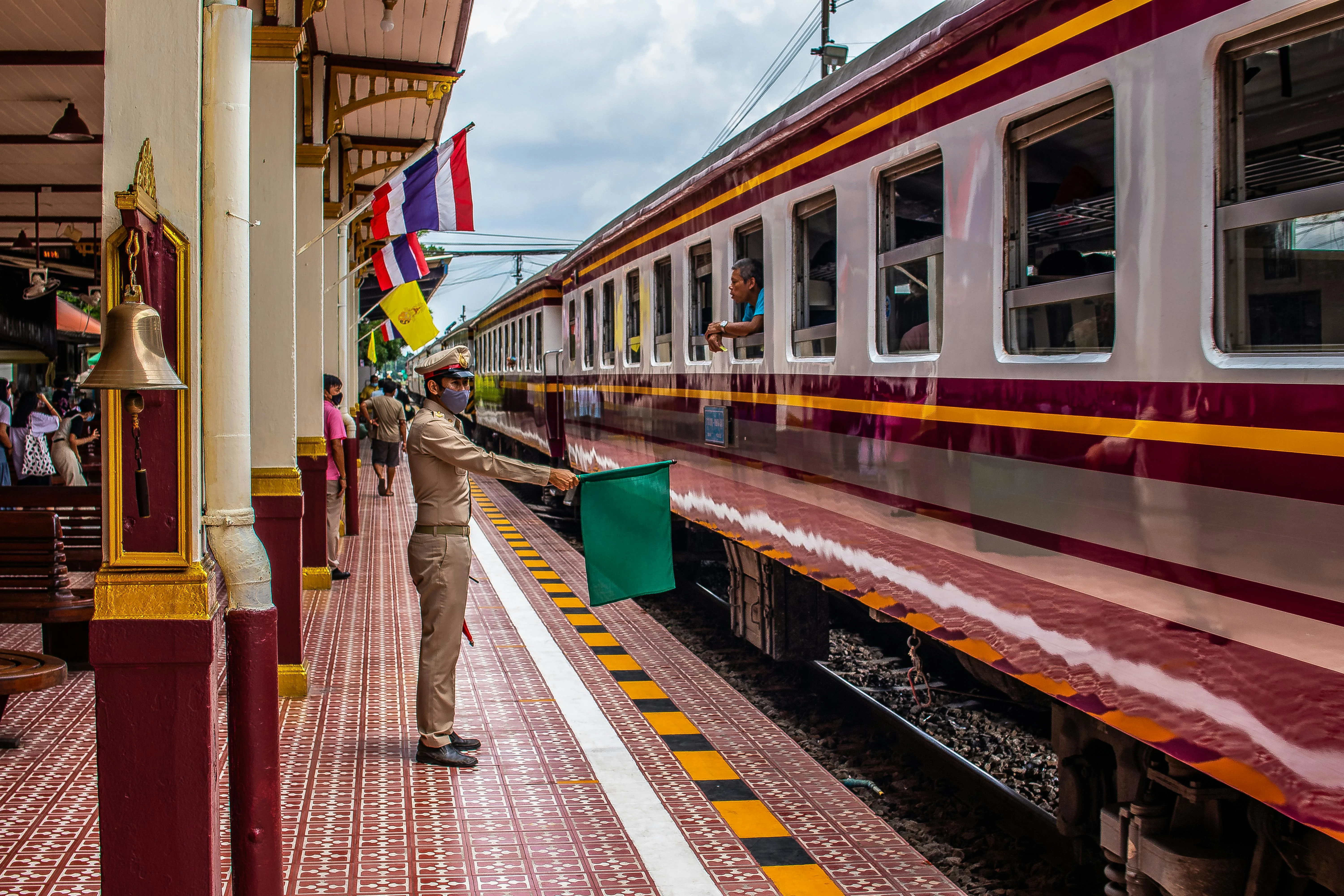
For complex specialist procedures or conditions requiring tertiary care, Bangkok is the destination. The 3-hour road connection and regular train service make this a planned inconvenience rather than a genuine barrier for most situations. Retirees with significant chronic conditions or who need regular specialist access should factor this honestly into the decision.
Cost of Living
A comfortable monthly budget for a single retiree in Hua Hin runs 50,000 to 80,000 baht. This covers a decent condo or house rental, utilities, groceries, regular dining out, transport, healthcare costs, and leisure activities including golf. Budget lifestyles with less dining out and a more basic rental come in at 30,000 to 40,000 baht per month.
Category | Budget Lifestyle | Comfortable | Premium |
|---|---|---|---|
Rent (1BR condo) | 8,000–12,000 baht | 15,000–22,000 baht | 25,000–40,000 baht |
Utilities + internet | 2,500–3,500 baht | 3,500–5,000 baht | 5,000–8,000 baht |
Groceries | 4,000–6,000 baht | 7,000–10,000 baht | 12,000–18,000 baht |
Dining out | 4,000–6,000 baht | 8,000–12,000 baht | 15,000–25,000 baht |
Transport | 2,000–3,000 baht | 3,000–5,000 baht | 5,000–10,000 baht |
Health insurance | 4,000–6,000 baht | 6,000–10,000 baht | 10,000–20,000 baht |
Golf (4x/month) | — | 4,000–8,000 baht | 8,000–16,000 baht |
Leisure + social | 2,000–4,000 baht | 5,000–10,000 baht | 10,000–20,000 baht |
Monthly total | 30,000–40,000 baht | 50,000–70,000 baht | 90,000–140,000 baht |
Rent for a basic apartment runs 8,000 to 15,000 baht per month. A modern condo with a pool in a good location costs 15,000 to 25,000 baht. Beachfront or resort-style accommodation starts at 25,000 baht and climbs quickly from there.
The honest cost caveat: Western imported goods carry a premium that Bangkok does not. Cheese, wine, and imported food items cost more in Hua Hin than in Bangkok's supermarkets. Residents who cook local or eat out at Thai restaurants spend significantly less than those who recreate a Western diet from import shelves. The adjustment is minor for most people and significant for those unwilling to make it.
What Hua Hin Does Not Offer
Public transport is limited. Songthaews and tuk tuks cover the main routes but the city is not walkable beyond the central area and a car or motorbike makes daily life significantly easier for anyone living outside downtown.
The co-working scene is thin. Digital nomads looking for the Chiang Mai experience of dense cafe culture and social remote-work community will not find it here. There are coffee shops with reasonable WiFi and some quiet working spots, but the critical mass of other remote workers that makes Chiang Mai function as a nomad hub does not exist in Hua Hin.
The nightlife is quiet. If evening variety and social options beyond a beer with familiar faces at a beach bar matter to you, Hua Hin will feel limited within a few weeks. This is a feature for most of the people who live here long-term. It is a genuine limitation for people who did not expect it.
Air quality is good year-round compared to northern Thailand. A mild decline from regional agricultural burning occurs between January and March, but nothing approaching Chiang Mai's burning season severity. Most expats in Hua Hin do not need to plan around air quality in the way that Chiang Mai residents do.
Is Hua Hin Right for You
It is right for you if golf, beach, good healthcare, and proximity to Bangkok are the framework you want to build a life around. The social infrastructure is real, the city functions without friction, and the pace rewards people who have actively chosen to slow down rather than those who are settling for it.
It is not right for you if you need city-level variety, significant co-working infrastructure, or you are under 50 and still in the stage of life where social options outside a fixed community matter.
The honest benchmark: if you can describe your ideal week without needing anything Hua Hin does not have, you will be happy here. Most people who leave do so because they overestimated how much they wanted slow. Most people who stay do so because they underestimated it.
Where to Go from Here
For where to stay during a trial period before committing to a long-term rental: Best Hotels in Hua Hin 2026.
For getting here from Bangkok to start that trial: Getting to Hua Hin from Bangkok.
For what daily life looks like at the beach and the markets: Hua Hin Beach Guide and Hua Hin Food Guide.
For the full Hua Hin destination overview: Hua Hin Travel Guide 2026.